Where to Stay in Tokyo as a Solo Female Traveller: The Short Answer
Stay in Shimokitazawa for a first trip, because it is the most laid-back pocket in Tokyo, with small indie shops, vintage clothing and cosy cafes, and it is comfortable alone at any hour. Nakameguro is the upscale calm choice, and Shibuya or the east side of Shinjuku are the practical choices, because the crowds and the transport make the nights easy. Tokyo is one of the safest big cities in the world for a woman travelling alone, with very low violent crime, streets that stay brightly lit late, and convenience stores open around the clock. The advisory is unchanged since our Japan safety guide was published: Japan is Level 1, exercise normal precautions, on the US State Department advisory, with the summary updated on 15 May 2025.
Shimokitazawa: The Best First Base
Shimokitazawa is the best first base in Tokyo, and it is the neighbourhood to pick when the trip is short or it is a first time in Japan. The area is a maze of small streets filled with indie shops, vintage clothing stores, record shops and cosy cafes, and the crowd is young, creative and relaxed. The streets are safe at every hour, and a woman alone in Shimokitazawa in the evening is one of many people on the same small street, browsing the same shops and sitting in the same cafes. The area has no big hotels and no nightlife strip, so the nights are quiet, and the mornings start slowly, with the cafes opening onto streets that fill with people walking dogs and carrying coffee.
The practical case for Shimokitazawa is the station. The area sits on the Odakyu and Keio Inokashira lines, with a direct run into Shibuya in minutes, so the centre is close and the base is calm. Book a place near the station, because the streets are small and the walk home at night should be short and lit. Pick a guesthouse or a small hotel with a host who answers messages, a lock on the door, and a locker in the room, and read reviews from solo female travellers before booking. Shimokitazawa is the base that makes Tokyo feel small, and a city that feels small is a city that feels safe.
Nakameguro and Daikanyama: Upscale Without Being Stuffy
Nakameguro and Daikanyama are the upscale calm choice, and they suit the traveller who wants a beautiful neighbourhood without the noise. The streets are tree lined, with bookshops, good coffee, small boutiques and the canal in Nakameguro, and the pace is slower than the centre, with Tokyo women coming here to spend an afternoon alone. The area is safe at every hour, and the evenings are quiet, with the restaurants and cafes closing early and the streets emptying by ten. A woman alone here in the evening is walking home through a neighbourhood that feels residential, not touristy, and that is the charm of it.
The trade is the price and the distance. Nakameguro and Daikanyama cost more than Shimokitazawa, and the walk to the nearest big station is longer, so the base suits a traveller who is happy to pay for calm and to plan the last train. The area sits on the Tokyu Toyoko and Hibiya lines, with a direct run into Shibuya, so the centre is close enough. Pick a place near the station, and check the walk home in daylight before the first night, because the side streets are quiet and the route should be known. For a longer stay, when the plan includes rest days and slow mornings, Nakameguro is the base that feels like a home rather than a hotel.
Shibuya and Shinjuku East Side: Busy Is Safe
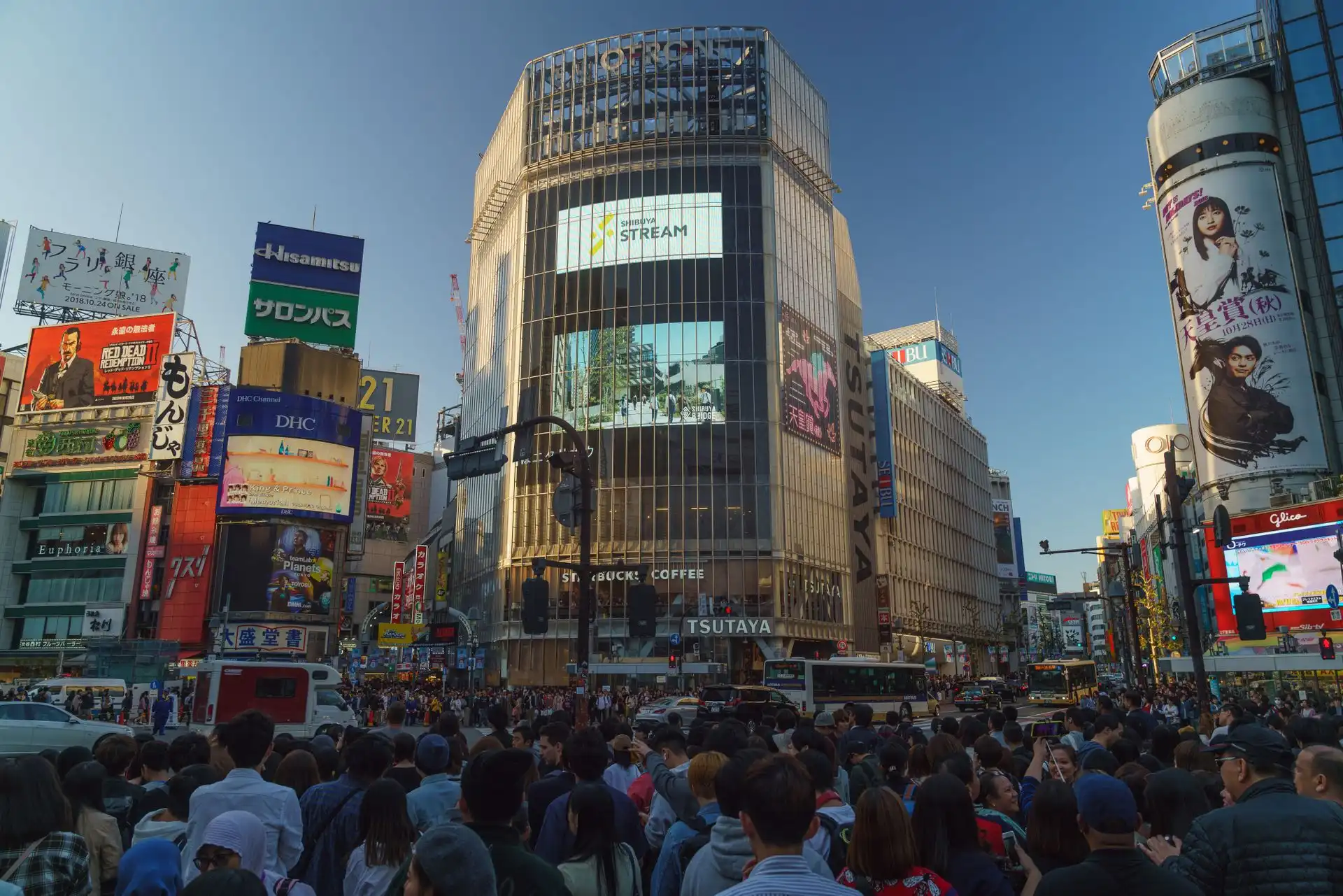
Shibuya is the base to pick when the trip is about energy, because the area is busy, loud and tourist dense until the last train, and that crowd is itself a form of safety. The streets around the crossing stay full of people into the evening, and Center-gai and Spain-zaka are pedestrian only and always busy, so a woman walking back after dinner is one of hundreds of people on the same street. The area has the widest choice of stays, from hostels to hotels, and the station is one of the busiest in the world, with staff everywhere and signs in English. The noise is the price, and the crowds are the reward, because Shibuya never feels empty, and a neighbourhood that never feels empty never feels unsafe.
Shinjuku is the practical base, and the east side is the side to stay on. The station is overwhelming, with dozens of exits and a maze of passages, but it is heavily staffed, with security and attendants on every floor, and the east side streets are full of restaurants, shops and people until late. Do not stay inside Kabukicho, the nightlife strip on the northeast side, because it is safe but needs awareness, and a first timer should know where she is going before she goes. Stay on the east side, near the station, and the base is practical, central and easy. Roppongi nightlife needs the same one line caution: go with a plan, watch the drink, and take a taxi home.
Asakusa, Kichijoji and Yanesen: The Quiet Alternatives
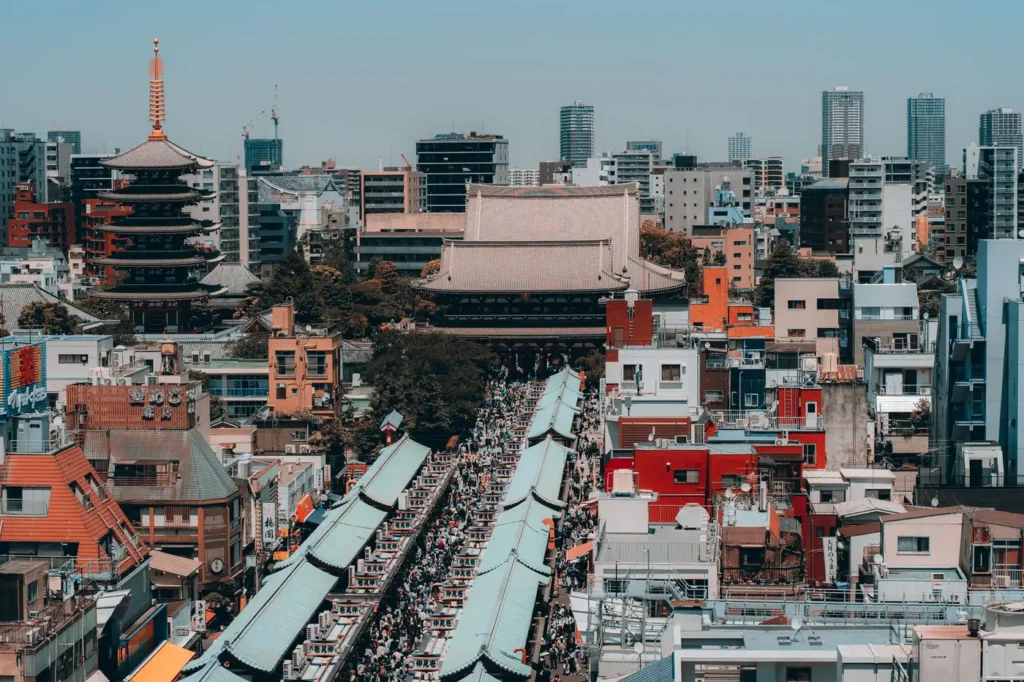
Asakusa is the quiet surprise, because it is packed by day and surprisingly quiet at night. The streets around Senso-ji, the old temple, are peaceful and well lit after dark, and the area feels completely safe in the evening, with the temple lit and the streets empty of the day crowds. Asakusa suits the traveller who wants old Tokyo at the doorstep and a calm night, and it is a good base for a longer stay, when the plan includes the temple in the morning and the quiet streets in the evening. The area sits on the Ginza and Asakusa lines, with a direct run into the centre, so the quiet does not mean isolation.
Kichijoji is the relaxed choice, with Inokashira Park at its heart, and it tops Japanese liveability surveys for a reason. The area is safe and relaxed, with the park, the shops and the cafes all within a short walk, and it suits a traveller who wants a neighbourhood rather than a district. Yanesen, the old Tokyo of Yanaka, Nezu and Sendagi, is the quietest of all, with temple streets, old houses and no nightlife, and it suits the early riser who wants the city at its calmest. Both areas are safe at every hour, and both are the bases to pick when the trip is long and the pace is slow.
Women-Only Facilities in Tokyo
Tokyo does women-only facilities better than almost any city, and they are worth knowing about before booking. The women-only train cars run in rush hour, roughly from 7 to 9 in the morning and 5 to 7 in the evening, with pink signs on the platform, and they are the calmest way to cross the city at the busiest hours. Ladies floors exist in hotels across the city, with keycard access and a women-only floor, and they are a good choice for a first night in a new city. The best-known women-only capsule hotel is Nadeshiko Hotel in Shibuya, a capsule hotel for women only, and the 9h capsule hotels have dedicated women-only floors with their own bathrooms. None of these is a safety requirement, because Tokyo is safe without them, but they are a comfort, and a comfortable first night makes the rest of the trip easier.
The rule for choosing a stay is the same as in every city: a lock on the door, a locker in the room, a host or staff on site, and reviews from solo female travellers that mention the night walk home. A capsule hotel suits a short stay and a tight budget, because the sleep is private and the bathrooms are shared, and a guesthouse suits a longer stay, because the common room is where a solo traveller finds company. Either stay works, and the choice is about the trip: a capsule for a night or two, a guesthouse for a week. Both need the same checks, and both are safe in Tokyo.
Getting Around Tokyo at Night: The Last Train Matters Most
The last train matters more than the neighbourhood in Tokyo, and that is the rule to plan around. The trains stop around midnight, and a base far from a station means a long walk or an expensive taxi home, while a base near a station means a short walk on a lit street. Stay near a station you can navigate half asleep, and a base near the Yamanote Line, the circle line that joins the main districts, beats a prettier pocket with a long walk home. The Yamanote Line runs through Shibuya, Shinjuku, Ikebukuro, Ueno and Tokyo stations, so a base on it puts the whole city within a short ride. Know the last train time before going out, because the night ends with the train, not with the neighbourhood.
After the last train, the city still works. The convenience stores stay open around the clock, and they are safe havens at any hour, with bright lights, staff on duty, and food, water and a phone charger on the shelves. A woman alone at night in Tokyo can step into a konbini, buy a drink, and wait for a taxi, and that is a safety net no other city offers so easily. Solo dining is normal everywhere, from ramen counters to sushi bars, and the attractions are full of solo visitors, from teamLab to the observation decks. From Tokyo, Kyoto is about 2.5 hours by Shinkansen, and our Kyoto guide covers that city in the same detail.
FAQs: Where to Stay in Tokyo as a Solo Female Traveller
Stay in Shimokitazawa for a calm first trip, with small shops, vintage clothing and cosy cafes, and streets that are safe at every hour. Nakameguro suits an upscale calm stay, and Shibuya or the east side of Shinjuku suit a practical stay, because the crowds and the transport make the nights easy. Pick a base near a station you can navigate half asleep.
Yes. Violent crime against foreign women is extremely rare, the streets stay brightly lit late, and convenience stores are open around the clock. Japan is Level 1, exercise normal precautions, on the US State Department advisory. Stay near a station, know the last train, and the city is easy.
Yes, outside Kabukicho. The east side of Shinjuku is the practical base, with restaurants, shops and people until late, and a station that is heavily staffed with security and attendants. Do not stay inside Kabukicho, the nightlife strip, because it needs awareness and a first timer should know where she is going before she goes.
Yes. Tokyo has women-only capsule hotels and ladies floors in hotels across the city. The best-known women-only capsule hotel is Nadeshiko Hotel in Shibuya, and the 9h capsule hotels have dedicated women-only floors with their own bathrooms. None of these is a safety requirement, because Tokyo is safe without them, but they are a comfort for a first night.
Women-only train cars run in rush hour, roughly from 7 to 9 in the morning and 5 to 7 in the evening, with pink signs on the platform. They are the calmest way to cross the city at the busiest hours. The cars are marked clearly, and they are easy to find on the platform.
No. The crowds are part of what makes Shibuya feel safe, because the streets stay full of people into the evening, and Center-gai and Spain-zaka are pedestrian only and always busy. A woman walking back after dinner is one of hundreds of people on the same street. The noise is the price, and the crowds are the reward.
Do not stay inside Kabukicho, the nightlife strip in Shinjuku. Stay on the east side of Shinjuku instead, near the station, where the streets are full of restaurants, shops and people until late. Roppongi nightlife needs the same one-line caution: go with a plan, watch the drink, and take a taxi home.