Is Japan Safe for Solo Female Travellers? The Short Answer
Yes. Japan is one of the safest countries in the world for a woman travelling alone, and one of the easiest first solo trips you can take. Violent crime is rare, streets stay busy and well lit late at night, and lost wallets genuinely get handed in. The real risks are smaller and more specific: groping on packed rush-hour trains, drink spiking and surprise bar tabs in a few nightlife districts, and natural hazards like earthquakes and typhoons. This guide gives you the honest version, city by city, so you can plan with confidence instead of worry.
What the Official Advice Says
The US State Department carries Japan at Level 1, “Exercise Normal Precautions”, in 2026. That is the lowest advisory level, the same as most of Western Europe. The advisory was issued on 15 May 2025 and is still current. The UK Foreign Office advises against travel to no part of Japan, and Canada also recommends normal security precautions. All three governments agree, and none of them flags a no-go region for ordinary visitors. Every advisory mentions one restricted area: the zone around the Fukushima Daiichi nuclear plant, damaged in 2011. Entry and overnight stays are still restricted there. It is not on any normal tourist itinerary.
What the Crime Numbers Show
The crime numbers back the advisories up. Japan’s National Police Agency reported just 0.3 violent crimes per 1,000 residents in 2025, among the world’s lowest. Homicide sits at 0.2 per 100,000 people, compared with 6.3 per 100,000 in the United States. Kyoto, the city most solo women call their favourite, recorded the same 0.3 violent crimes per 1,000 residents in 2025. These are national figures, not tourist-bubble figures. That is why solo women in Japan keep describing the same feeling: relaxed in a way few other places manage.
Japan is also busier than ever. Japan welcomed over 40 million international visitors in 2025. In February 2026 alone, 3.47 million arrived, up 6.4 percent on the year before. The crowds are the main thing that has changed. Tokyo, Kyoto and Mount Fuji are packed at peak times. The government has responded with new visitor rules, tourism taxes and crowd management. Overcrowding is an annoyance, not a safety threat, but it is worth planning around: go early, book ahead, and do not expect empty temples at midday.
Safest Places in Japan for Solo Women
Japan is not one safety level. It changes by city and by time of day. These are the places that work best, especially for a first trip.
Tokyo: the safest big city you will walk in
Tokyo is the classic confidence-builder for a first solo trip to Japan. Walking back to your hotel at 2am in most neighbourhoods feels remarkably secure, and that is not an exaggeration. Streets are lit, convenience stores are open all night, and police boxes, called koban, sit on corners all over the city. Shinjuku, Shibuya, Asakusa and the quieter residential areas around Koenji all work well as solo bases. Stay near a train station and the whole city opens up. The two areas that need more care are the nightlife districts of Roppongi and Kabukicho, where touts, drink spiking and inflated bar bills have been reported. You do not need to avoid them, but do not follow a stranger into a bar, and keep your drink in sight. For where to stay in each neighbourhood, read our Tokyo stays guide.
Kyoto: the highlight for most solo women
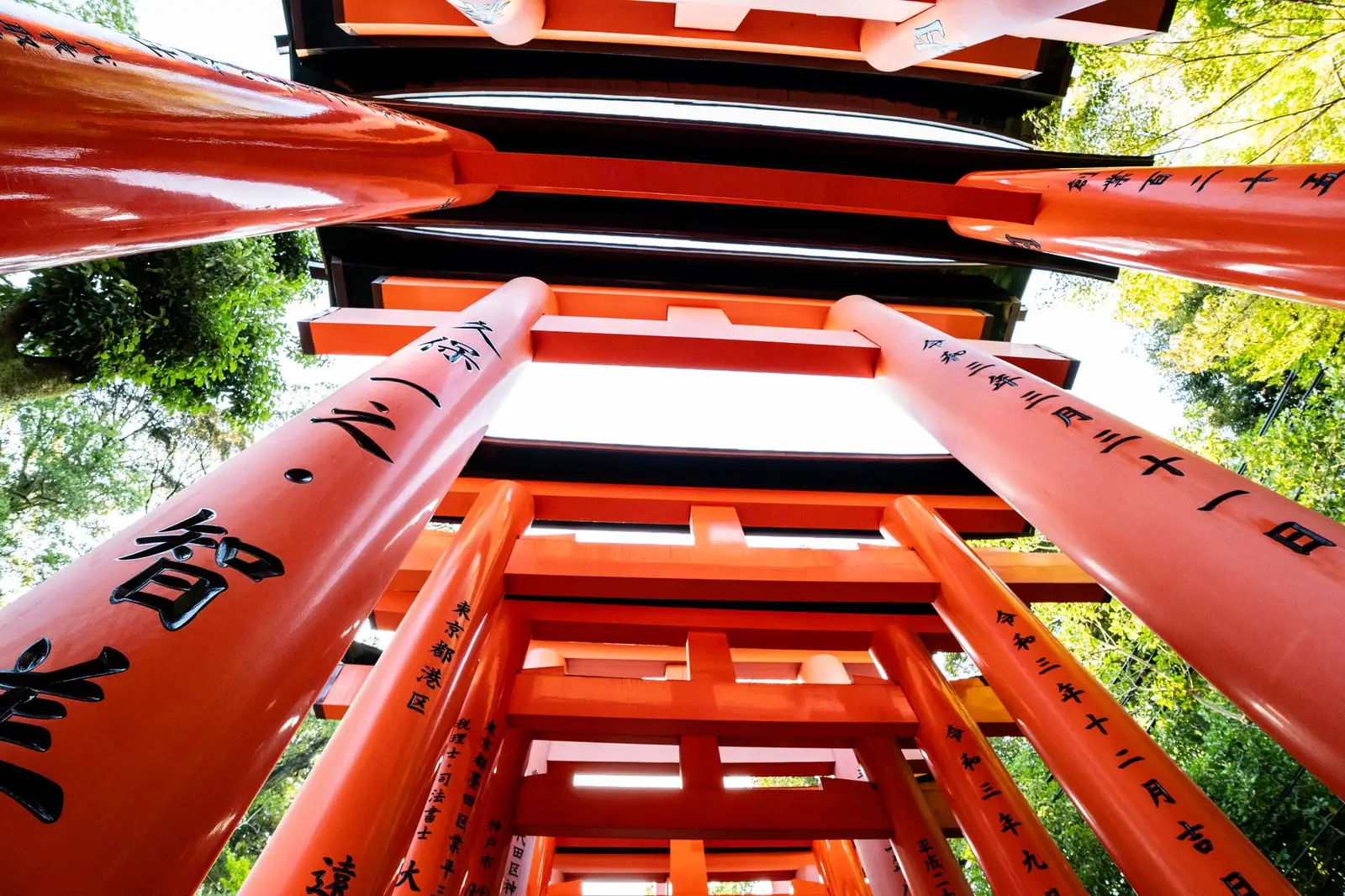
Kyoto is the city most solo women name as their favourite part of Japan, and it is easy to see why. Temples, gardens, quiet lanes and food, all at a slower pace than Tokyo. Fushimi Inari is best first thing in the morning, before the crowds, and the climb to the top is worth it. The Philosopher’s Path, Gion and Pontocho are made for slow solo wandering. Gion’s lanes are dimly lit and private, so enjoy them quietly, respect people’s privacy, and skip flash photography. Kyoto recorded just 0.3 violent crimes per 1,000 residents in 2025, and it ranks among the safest major cities in the world. Stay near Kyoto Station or Gion and you can walk to most of what matters. For temples, safety and where to stay, read our Kyoto guide.
Osaka: food, fun and a little more edge
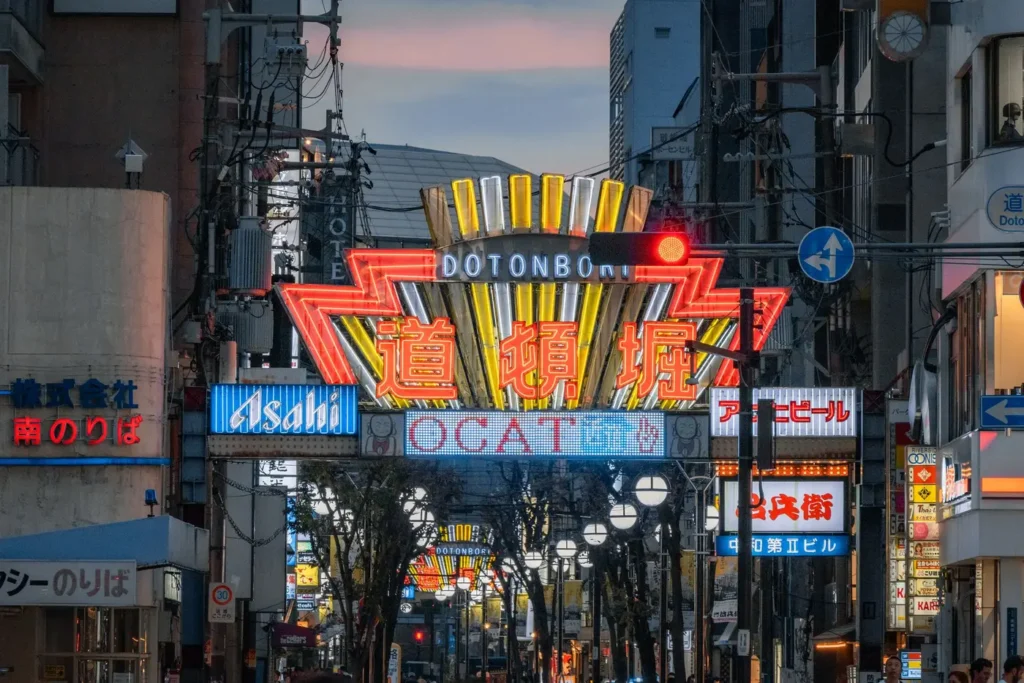
Dotonbori is the place to eat your way down the street, and the city has the best food and the friendliest people. A stay is rounded out by Osaka Castle and a day trip to Himeji Castle. Compared with Kyoto, the city is a touch rougher around the edges, and one district deserves a note: Shinsekai, the retro neighbourhood in the south, is quieter late at night with slightly higher petty crime than the rest of the city. Visit it earlier in the evening and take a taxi back if you stay very late. That is the only real adjustment Osaka asks of you. Everywhere else in the city, the same rules apply as in Tokyo: busy streets, lit stations, and no reason to worry.
Where to Be Extra Careful
Three things deserve a clear warning, not a vague one.
Crowded trains and groping
Groping on very crowded trains, known as chikan, is the one harassment issue Japan is honest about. It happens on packed commuter lines at rush hour, not on tourist trains or the shinkansen. The answer is built into the system: many lines in Tokyo and Osaka run women-only cars during weekday rush hours, marked in pink on the platform and on the train. Use them when you are commuting at busy times. Outside rush hour, the trains are calm, and nobody will bother you. If anything does happen, speak up loudly. Bystanders in Japan do intervene, and the police take it seriously.
Nightlife touts and bar scams
A few nightlife areas run a specific scam that targets visitors. A tout on the street invites you into a bar, often in Roppongi or Kabukicho in Tokyo, and the bill at the end is hundreds of dollars for a couple of drinks. Drink spiking has also been reported in these districts. The rule is simple: never follow a tout into a bar, never leave your drink unattended, and stick to bars you chose yourself or that your hotel recommended. Everywhere else, Japan’s bar culture is safe and welcoming, and solo women drink alone in them every night without trouble.
Earthquakes, typhoons and the weather
Natural hazards are the biggest real risk in Japan, not crime. Earthquakes can happen anywhere in the country, and typhoons run through the summer and autumn. As of 2 November 2026, Typhoon No. 31 was sitting near the Ogasawara islands, with rail restrictions in place in a few areas. Check the forecast before you travel and again the day before you move cities, because a typhoon can delay or cancel trains and flights. If an earthquake hits while you are out, the advice is the same everywhere in Japan: stay where you are until the shaking stops, then follow the staff or the crowd to the nearest open space. Hotels have instructions in English, and the Japan Meteorological Agency issues alerts in English too. This is a risk to respect, not a reason to stay home.
Getting Around Alone
The part that catches first-timers off guard is not safety. It is logistics. Busy stations, several rail companies and huge cities can be a lot, especially if you have not travelled much. Three things make it much easier. First, get an IC card like Suica or PASMO on your phone the day you land. It pays for trains, buses and convenience stores, and it removes the ticket-machine puzzle entirely. Second, use Google Maps for every journey. It shows the platform and the exact train, which is the part that confuses people. Third, give yourself extra time at stations. Tokyo Station and Shinjuku Station are cities in themselves, and ten spare minutes beats a missed connection.
The JR Pass deserves a careful look before you buy it. Prices rose sharply in 2023, and for a classic Tokyo to Kyoto to Hiroshima round trip it often does not pay off any more. Use the official JR Pass calculator, or add up the individual shinkansen fares on a site like Japan Guide, before you commit. For luggage, use Takkyubin, the luggage forwarding service. Send your big bag from one hotel to the next and travel light on the train. It costs little and it changes the trip. And if you are moving between cities, the shinkansen is the way to do it: Tokyo to Kyoto takes about two and a half hours, and Kyoto to Osaka about thirty minutes.
Where to Stay as a Solo Woman
Japan is built for solo sleepers. Business hotels like APA and Dormy Inn offer compact, clean single rooms at reasonable prices, and they are everywhere in Tokyo, Kyoto and Osaka. If you want company, hostels and capsule hotels are the other end of the scale, and many have women-only floors or women-only capsules, which solo women rate highly. A women-only dorm or capsule floor gives you the social side of a hostel with a door that only women open. Whichever you choose, book near a station. A hotel five minutes from the train is worth more than a bigger room twenty minutes away, because every day in Japan starts and ends at a station.
Eating Alone in Japan
Solo dining is completely normal in Japan, and it is one of the best things about travelling here alone. Ramen counters, conveyor-belt sushi bars and standing noodle shops are designed for one person eating well. Nobody will stare, nobody will rush you, and nobody expects you to be waiting for someone. Convenience stores, called konbini, are the other quiet hero of solo travel in Japan. Breakfast from a konbini costs four to six dollars, lunch sets are cheaper than the same meal at dinner, and the food is genuinely good. In Osaka, work your way down Dotonbori and try a little of everything. In Kyoto, sit down for a slow lunch near the temples. Eating alone in Japan is not something to get through. It is half the trip.
Money, Scams and the Fine Print
Japan is still a cash-heavy country in places, so carry yen as well as a card. Small restaurants, temples and rural buses often take cash only, and ATMs at convenience stores are the reliable place to withdraw it. The scams worth knowing are the ones already covered in this guide: the bar-tab scam in Roppongi and Kabukicho, and pickpockets in the busiest crowds at Shibuya Crossing and the big stations. Both are rare and both are easy to avoid. Keep your bag closed and crossbody in crowds, and never follow a tout into a bar. Everything else about money in Japan is straightforward: prices are as marked, tipping is not expected and can confuse people, and the total on the bill is the total you pay.
Onsen, Etiquette and Fitting In
Onsen, the hot spring baths, are one of Japan’s great experiences, and they are easy to enjoy alone once you know the rules. The main one is tattoos: many onsen still ban them, though some allow small tattoos if you cover them, and a growing number of tattoo-friendly onsen publish their policy online. Check before you go rather than finding out at the door. Everywhere else, the etiquette is simple and it earns you a lot of goodwill. Remove your shoes where you see shoe racks, in homes, temples and traditional restaurants. Keep your voice down on trains. Do not eat while walking. Stand on the correct side of the escalator, left in Tokyo and right in Osaka. None of this is about being perfect. It is about showing you paid attention, and Japanese people notice and appreciate it.
What to Do If Something Goes Wrong
Japan’s emergency numbers are easy to remember: 110 for the police and 119 for an ambulance or the fire service. Both have English-speaking operators. If you are in a city, the fastest help is usually the nearest koban, the small police box on the corner. Officers there can help with directions, lost items and anything that feels wrong, and they are used to helping tourists.
Keep your passport on you, as the law requires, and keep your hotel’s address card in your pocket so you can show a taxi driver where home is. If a train stops because of an earthquake or a typhoon, station staff will direct you in English, and hotels have printed instructions for what to do next.
Save the number for your country’s embassy before you travel, and tell someone at home your rough route. None of this is because Japan is dangerous. It is because being prepared is what makes a safe country feel safe.
Your First Three Days: A Simple Plan
Day one, Tokyo. Base yourself near a station in Shinjuku or Asakusa, ride the trains with your new IC card, and spend the evening walking Shibuya Crossing and the streets around it. Day two, take the shinkansen to Kyoto in the morning. Go to Fushimi Inari first thing, walk the Philosopher’s Path in the afternoon, and spend the evening in Gion. Day three, take the short train to Osaka, eat your way down Dotonbori, see the castle, and ride back to Kyoto or Tokyo for the night. Three days, three cities, one train card, and you will have the shape of Japan in your head. From there, go deeper instead of wider: an extra day in Kyoto, a day trip to Nara to see the deer and the great Buddha at Todai-ji, or a night in a mountain onsen town. Japan rewards the traveller who slows down.
Frequently Asked Questions
Is Japan safe for solo female travellers?
Yes. Japan is one of the safest countries in the world for women travelling alone. The US State Department rates it Level 1, violent crime is extremely rare, and women walk alone at night in Tokyo, Kyoto and Osaka every day. Use the women-only train cars at rush hour, be careful in a few nightlife districts, and prepare for earthquakes and typhoons. That is the whole safety list.
Is Tokyo safe for women at night?
Generally, yes. Most areas feel comfortable at night, the streets are lit, and convenience stores and police boxes are everywhere. In nightlife districts like Roppongi and Kabukicho, avoid bars where touts invite you in, watch your drink, and take a taxi back to your hotel late at night.
What are women-only train cars?
Many train lines in Tokyo and Osaka run women-only cars during weekday rush hours, marked in pink on the platform and on the train. They exist because groping on packed commuter trains is a known problem. Use them when you are travelling at busy times. Outside rush hour, the trains are calm and the regular cars are fine.
Is Kyoto safe for solo female travellers?
Yes, and it is the city most solo women call their favourite. Kyoto recorded just 0.3 violent crimes per 1,000 residents in 2025, and it ranks among the safest major cities in the world. Stay near Kyoto Station or Gion, go to Fushimi Inari early in the morning, and respect the privacy of the lanes in Gion at night.
Do I need to speak Japanese?
No. Signs in stations, airports and major tourist areas are in English, Google Maps and translation apps cover the rest, and station staff and hotel staff generally speak enough English to help. Learning a few words, hello, thank you and excuse me, goes a long way, but you can travel the whole country without Japanese.
What do I do in an earthquake?
Stay where you are until the shaking stops, then follow staff or the crowd to the nearest open space. Do not use lifts. Hotels have instructions in English, and the Japan Meteorological Agency issues alerts in English. Check the forecast before you travel, because typhoons can also delay trains and flights, and keep your phone charged.
Is it OK to eat alone in Japan?
Yes, and it is one of the best parts of the trip. Ramen counters, conveyor-belt sushi and standing noodle bars are made for solo diners. Nobody will stare or rush you. Convenience stores cover breakfast for a few dollars, and lunch sets are cheaper than the same meal at dinner.