

I used to think budget travel tips for expensive cities in the USA were basically a myth, like the internet just wanted me to feel bad about wanting to see New York without draining my savings. Then I actually planned a trip properly instead of just booking a flight and hoping for the best, and the math started making sense.
Turns out cities like NYC, LA, and San Francisco aren’t expensive because everything in them costs a fortune; they’re expensive because most visitors pay tourist prices without realizing there’s a local price sitting two blocks away. Once I figured that out, along with which neighborhoods actually make sense to stay in and which apps save real money instead of just cluttering my phone, the whole equation flipped.
This is the kind of practical, no-fluff planning I love bringing to GirlWay, everything I wish someone had handed me before my first trip: real numbers, real neighborhoods, and the mistakes that cost me money so you don’t have to repeat them.
How Much Does It Actually Cost Per Day in the USA?
Your daily spend depends heavily on your travel style and which cities land on your itinerary. Here’s what real travelers spend across the three big-ticket categories, accommodation, food, and getting around, before flights even enter the picture.
| Budget Level | Accommodation/night | Food/day | Local transport/day | Daily total |
| Budget (backpacker) | $36-80 (hostel/motel) | $35-45 | $5-15 (transit) | $121-150 |
| Mid-range | $120-250 (3-star hotel) | $60-90 | $20-50 (rideshare/car) | $200-350 |
| Luxury | $350-800+ (4-5 star) | $120-300+ | $70-150 (private/rental) | $500-925+ |
Major cities like New York and San Francisco run 20-30% above the national average, so these numbers shift depending on where you land. The cheapest way to cut your daily total is accommodation, more on that in the city-by-city breakdowns below, followed by eating your main meal at lunch instead of dinner.
Breaking Down Daily Costs Realistically
Numbers are one thing; seeing how they actually split up day to day makes the whole picture click. A budget traveler in New York spending $80/day allocates it approximately as follows:
- Accommodation: $45-50 (shared hostel or Airbnb outside Manhattan)
- Food: $20-25 (breakfast $5-8, lunch $7-10, dinner $8-10)
- Transportation: $3-5 (daily transit use)
- Activities: $5-10 (free attractions or one paid museum)
This breakdown proves you don’t need $150+ daily to make a trip work. Strategic spending, not a bigger budget, gets you far in a city like this.
The 2026 National Park Surcharge You Need to Know About
Starting January 1, 2026, the USA introduced fee changes that significantly affect non-US travelers visiting national parks. This one catches almost everyone off guard, and it’s worth budgeting for before you get to the gate.
- A $100 per person surcharge now applies at the 11 most-visited national parks, on top of the regular ~$35 per-vehicle entry
- The Annual Pass runs for $250 for non-residents, while US residents still pay just $80
- Fee-free days no longer apply to international visitors
The 11 parks carrying this new $100 surcharge are Grand Canyon, Yellowstone, Yosemite, Zion, Rocky Mountain, Glacier, Acadia, Grand Teton, Olympic, Sequoia & Kings Canyon, and Joshua Tree.
What this means for your budget: if multiple national parks are on your list, the $250 annual pass breaks even after just three parks. A solo traveler visiting only one park faces a real choice: pay roughly $135 total ($35 vehicle plus $100 surcharge), or pick one of the many less-visited parks that still charge no entry fee at all. Official fee details are published by the National Park Service.
City-by-City Budget Breakdown
New York City
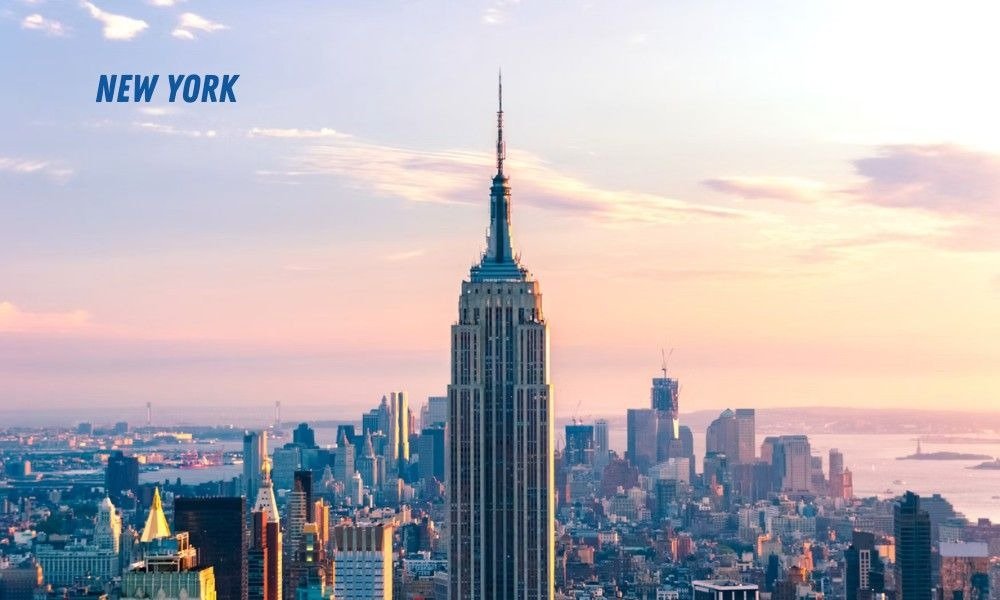
New York is the most intimidating city for budget travelers but also one of the most rewarding once you know the system.
Accommodation Sweet Spots
- Washington Heights (Upper Manhattan): Safe, Dominican neighborhood, 20 minutes to Midtown. Airbnbs run $110-140/night.
- Astoria (Queens): Diverse, great food, direct N/W train to Midtown. $120-160/night.
- Bed-Stuy or Crown Heights (Brooklyn): Trendy, safe, local vibes. $110-150/night.
- Bushwick (Brooklyn): Younger crowd, arts scene. $105-145/night.
Tip: For budget trips in 2026, it’s cheaper and safer to book budget hotels in Long Island City (Queens) or Jersey City than to find an Airbnb in Manhattan itself.
Best Cheap Eats in NYC (2026)
Coffee-hopping through the city.
- Dollar Pizza Spots is still unbeatable for a quick slice under $2
- B&H Dairy (East Village): classic vegetarian diner, hearty plates at low prices
- Chinatown Dumplings: legendary $10 meals with authentic flavors
- Dominican Smashburgers: Bold Flavor, Budget-Friendly A Street Food Trend You Need to Try
- Food Markets Smorgasburg and Essex Market offer diverse bites for under $15-$22
Hidden Free Gems
- Roosevelt Island Tramway: An Aerial Cable Car Ride with Stunning Skyline Views Same Price as the Subway, Feels Like a Luxury
- Little Island floating park on the Hudson River, free entry, gardens, and peaceful views
- The High Line elevated walking trail on old railway tracks, free, with city views and art installations
- DUMBO Brooklyn iconic Manhattan Bridge photo spot plus waterfront skyline views, totally free
- Staten Island Ferry: A Free Ride with Up-Close Views of the Statue of Liberty and the Skyline
- Central Park’s hidden spots: Bethesda Terrace, Bow Bridge, and secret gardens tucked into a free nature escape
- Grand Central Terminal’s Whispering Gallery: a fun acoustic spot where whispers travel across the arches
- Brooklyn Heights Promenade: Stunning Skyline Views in a Quiet, Uncrowded Spot
- Washington Square Park street performances, music, and local vibes, great for people watching
- New York Public Library historic interiors, free entry, quiet reading spaces that feel like a movie set
My New York Experience
During a two-week SEO project in Manhattan in early 2025, I stayed in Washington Heights while working in Midtown. The neighborhood felt authentic, with local bodegas, Dominican restaurants, and quiet streets despite the proximity to the city. My $55/night Airbnb studio meant I could afford quality restaurants without stretching the budget elsewhere. I discovered that tourist attractions are secondary to the neighborhood experience itself. Walking from Times Square to the Upper West Side, about 40 minutes, revealed more about NYC than any paid tour ever could.
New York City Cost Breakdown (2026)
New York is the most expensive major US city for accommodation, but it also has the best public transit in the country, so you end up saving on transport what you spend on hotels. A car here is a liability; the subway covers everything you’ll need.
| Category | Budget | Mid-range | Luxury |
| Accommodation/night | $60-90 (hostel/Jersey City) | $175-280 (Manhattan 3-star) | $400-800+ (luxury hotel) |
| Food/day | $35-45 | $70-100 | $200-350+ |
| Transport/day | $5 (weekly subway $34) | $15-30 (subway + rideshare) | $60-120 (private car) |
| Attractions/day | $0-15 (Central Park, High Line) | $30-60 (Empire State $44-79) | $100-200+ (tours, shows) |
| Daily total | ~$100-165 | ~$290-470 | ~$760-1,470+ |
NYC tip: Stay in Jersey City, hotels cost 30-40% less than Manhattan, and the PATH train reaches Midtown in just 15 minutes. A NYC CityPASS ($146) saves around 40% across five major attractions if you’re planning to hit the big sights anyway.
San Francisco
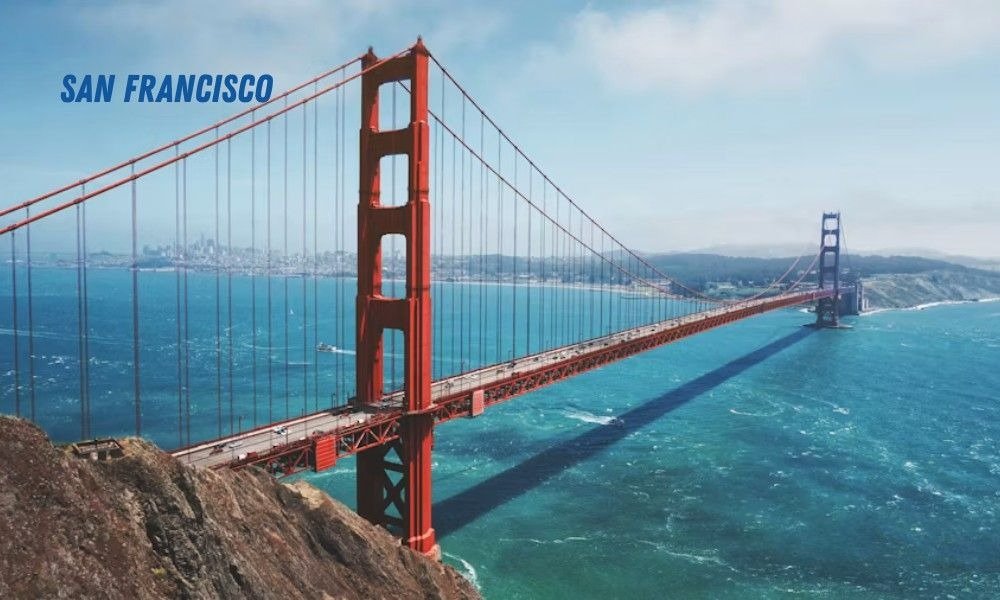
San Francisco is consistently one of America’s priciest cities, but it has real pockets of genuine affordability once you know where to look.
Accommodation Sweet Spots
- HI San Francisco Downtown Hostel: $45-$65/night (dorm bed), $110-$130 (private room). Free breakfast, communal kitchen, and walking tours included. Near Union Square, central and safe. Best for solo travelers and backpackers.
- Green Tortoise Hostel: $50-$70/night (dorm), $120-$140 (private). Free dinners three nights a week, social vibe, shared kitchen. Near North Beach and Chinatown. Best for social travelers and food lovers.
- Pod Hotels (Micro Rooms) $80-$120/night. Compact rooms, modern design, Wi-Fi included. Downtown and Civic Center areas. Best for couples or solo travelers who want privacy on a budget.
- Budget Motels (Mission District / Lombard Street): $90-$130/night. Basic rooms and parking are available (useful if you’ve got a rental car). Mission District and Marina area. Best for road trippers and families.
- Airbnb Private Rooms: $70-$110/night. Kitchen access, local host guidance. Outer Sunset and Richmond District, a bit further from the city center. Best for food lovers and families.
The Cable Car Trap
Cable cars are iconic, but they charge $8 per ride. If you want the experience, budget for one ride, then switch to MUNI buses at $3/ride for everything else. MUNI covers the exact same routes for a fraction of the cost.
Best Cheap Eats in SF (2026)
| Restaurant | Specialty | Price Range | Location |
| Mersea Restaurant & Bar | Fish & Chips | $18-$22 | Treasure Island |
| Mitchell’s Ice Cream | Exotic Flavors | $5-$8 | Mission District |
| El Farolito | Burritos/Tacos | $12-$16 | Mission District |
| Chiu Quon Bakery | Dim Sum | $10 cheapest | Chinatown |
| Sam Wo Restaurant | Noodles/Rice | $12-$15 | Chinatown |
Hidden Free Gems
- Twin Peaks 360° panoramic views of the entire city, better than any paid observation deck, accessible by bus, and entirely free
- Lands End Trail coastal hiking with Golden Gate views, free, beautiful, and refreshingly uncrowded
- Baker Beach, a free beach with direct Golden Gate Bridge views
- Dolores Park, a local favorite, brings wine and snacks for free city views and a genuinely vibrant local scene
- Golden Gate Park over 1,000 acres, with the Japanese Tea Garden ($12 entry), Botanical Garden (free on weekdays), and a buffalo paddock (free), though free entry applies only to SF residents
Tip: Booking the Japanese Tea Garden ticket online runs $16, versus $18 if you buy in person at the gate. Book ahead through the official Gardens of Golden Gate Park website to save the difference.
Free Viewpoints Worth the Climb
Twin Peaks offers 360-degree city views entirely free. The climb takes about 45 minutes but delivers better perspectives than the Golden Gate Bridge viewpoints, which require parking anyway. The Lands End hiking trail provides coastal views without any fees. Coit Tower does have a paid observation deck ($8), but the surrounding neighborhood and its murals are free to explore on their own.
Los Angeles
Budget Accommodation Sweet Spots (2026)
- HI Los Angeles Santa Monica Hostel: $70-$90/night (dorm bed), $120-$140 (private room). Free breakfast, communal kitchen, social vibe. Steps from Santa Monica Beach. Best for backpackers and beach lovers.
- PodShare Los Angeles (Hollywood & DTLA): $70-$110/night. Shared pod-style beds, co-working space, and kitchen access. Best for digital nomads and solo travelers.
- Hollywood Inn Express South: $98-$120/night. Free parking, breakfast, and a pool included. Near Downtown and Hollywood. Best for families and road trippers.
- Koreatown Budget Hotels: $100-$130/night. Compact rooms, easy access to Metro, and a vibrant food scene right outside the door. Best for couples and foodies.
- Venice Beach Hostels has a solid budget base for anyone wanting boardwalk access without paying beachfront-hotel prices.
Cheap Eats Worth the Trip
- Grand Central Market (Downtown LA): $12-$18 per meal, tacos, ramen, burgers, and pupusas all under one roof. Go during lunch hours for combo deals.
- El Chato Taco Truck (Mid-Wilshire): $2-$3 per taco, $8-$10 for a full meal. Legendary late-night spot with huge portions. Cash preferred, and arrive early to skip the long lines.
- Philippe The Original (Chinatown): $13-$16 per sandwich, French dip sandwiches at a historic LA eatery. Share sandwiches and sides to stretch the budget further.
- Koreatown Food Courts: $9-$14 per meal, bibimbap, Korean BBQ plates, and noodles at genuinely student-friendly prices. Lunch specials beat dinner pricing every time.
- Venice Beach Boardwalk Stalls: $10-$15 per snack or meal, hot dogs, poke bowls, and smoothies with beach views thrown in for free.
Free LA Experiences
- Griffith Observatory: free admission to the building and grounds, plus free telescope viewing Friday and Saturday nights
- The Broad free admission is always available; just reserve online 1-2 weeks in advance
- Getty Center free admission, though parking runs $25, so take the bus instead
- Venice Beach is completely free, with world-class people watching, street performers, and the boardwalk itself
- Runyon Canyon free hiking with Hollywood Hills views
Tip: Make timed-entry reservations online for The Broad and the Getty Center in advance, or you may have trouble getting in at all. Book through the official Broad Art Museum website ahead of your trip.
Public Transport Myths, Explained
LA’s reputation for lacking transit is overblown, at least for city-center exploration. The 7-day pass ($25) covers buses throughout LA County, and neighborhoods like Downtown, Arts District, Silver Lake, and Los Feliz remain genuinely walkable. The catch is beaches and Hollywood, which require driving or strategic Uber use, so budget accordingly.
LA is spread out, no way around that, which makes transport your biggest wild card. Many of the City’s Best Experiences Beaches, Griffith Observatory, the Getty Center, and the Hollywood Walk of Fame Are Completely Free, Keeping Attraction Costs Low If You Plan Ahead your days around them.

Los Angeles Cost Breakdown
| Category | Budget | Mid-range | Luxury |
| Accommodation/night | $40-80 (hostel/Pasadena) | $103-220 (3-star hotel) | $350-700+ (Beverly Hills) |
| Food/day | $35-45 (tacos, In-N-Out) | $60-90 | $150-300+ |
| Transport/day | $5 (Metro day pass) | $30-60 (car rental + gas/parking) | $80-150 (private/premium rental) |
| Attractions/day | $0 (beaches, Griffith, Getty) | $40-80 (some paid sights) | $120-200+ (Disneyland $104-194) |
| Daily total | ~$80-130 | ~$233-450 | ~$700-1,350+ |
LA tip: Stay in Pasadena instead of Santa Monica or Hollywood to cut accommodation costs, and budget realistically for a rental car; economy cars run $40-70/day plus $20-50/day parking in central areas. California also has the country’s highest fuel prices, sitting at $5+ per gallon.
Chicago
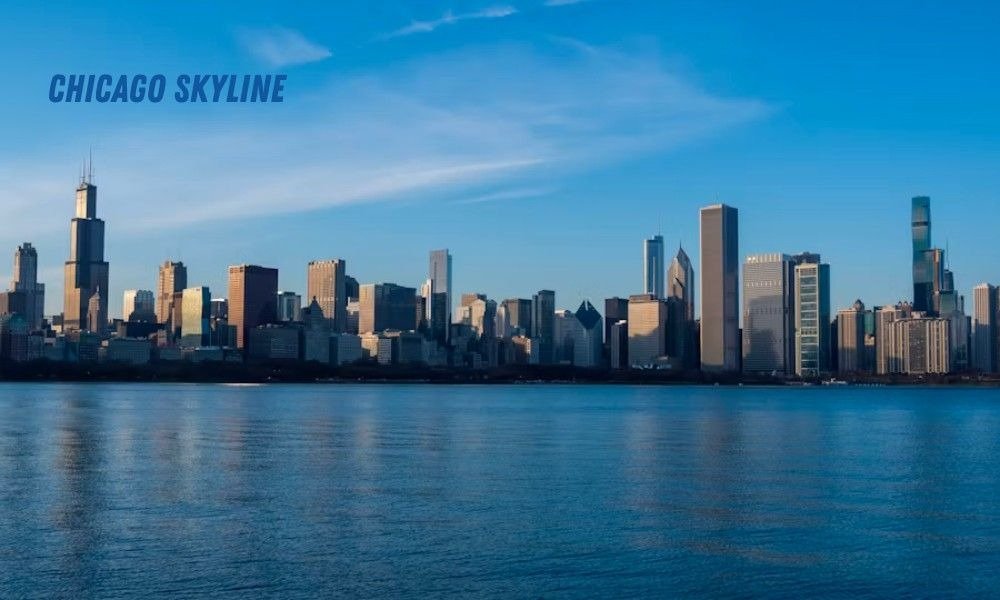
Good news: Chicago is the most affordable of America’s top-tier expensive cities. It offers world-class experiences at significantly lower costs than NYC or SF.
Best Budget Accommodation Options (2026)
- HI Chicago Hostel (Downtown/Loop): $40-$65/night (dorm bed), $110-$130 (private room). Free breakfast, communal kitchen, social events. Walking distance to Millennium Park and the Art Institute. Best for backpackers and solo travelers.
- Freehand Chicago (River North) $120-$160/night. Stylish boutique setup with shared and private rooms. Near the Magnificent Mile. Best for young travelers and couples.
- Chicago Getaway Hostel (Lincoln Park) $70-$90/night. Kitchen access, bike rentals, and a social vibe in a student-friendly area. Best for budget-conscious travelers and students.
- Airbnb Private Rooms: $80-$115/night. Kitchen access and local host guidance in Wicker Park or Logan Square, trendy but still affordable. Best for long stays and solo travelers.
- Budget Motels (near O’Hare Airport): $80-$105/night. Basic rooms with parking are included in the suburban areas near O’Hare. Best for road trippers and families.
| Area/Hotel | Price Range | Best For | Notes |
| HI Chicago Hostel | $40-$130 | Backpackers | Downtown central |
| Freehand Chicago | $120-$160 | Couples/Youth | Boutique style |
| Chicago Getaway Hostel | $70-$90 | Students/Backpackers | Lincoln Park vibe |
| Airbnb Private Rooms | $80-$115 | Long Stays | Trendy neighborhoods |
| Budget Motels (O’Hare) | $80-$105 | Families/Road Trips | Suburban, parking |
Chicago’s Cheapest Food Spots (2026)
- Do-Rite Donuts & Chicken (Streeterville) donuts $3.00-$4.50, chicken sandwiches $8.50-$10.00. Small portions, grab-and-go style. Great for Breakfast or a Quick Bite.
- Doughnut Vault (River North): Donut holes $3.50-$4.50, full donuts $5-$6. Famous for fresh, affordable donuts. Best for anyone with a sweet tooth.
- Good Mong Kok Bakery (Chinatown): BBQ pork buns and dumplings $2.00-$4.50. Authentic dim sum at street-level prices. Best for a quick lunch on the go.
- Velvet Taco (Downtown): Tacos $7-$9 each, full meal $12-$15. Large portions, late-night service. Best for a budget dinner with friends.
- Big Star (Wicker Park) tacos $5-$8, plates $10-$12. Trendy but genuinely affordable taqueria. Best for young travelers and casual dining.
Free Chicago Highlights
- Millennium Park is home to Cloud Gate (“The Bean”), the famous mirrored sculpture perfect for photos; Crown Fountain, an interactive water fountain with LED faces; and Jay Pritzker Pavilion, which hosts free outdoor concerts in summer
- Chicago Cultural Center free rotating art exhibits, music, and cultural events, plus free guided architecture tours of the historic building itself
- Lakefront & Beaches: 26 miles of shoreline with free access to beaches like Oak Street Beach and North Avenue Beach, connected by the scenic Lakefront Trail along Lake Michigan
- Free Museum Days (2026) the Art Institute of Chicago offers free admission for Illinois residents on select dates, while the Field Museum, Shedd Aquarium, and Museum of Science and Industry all run free days throughout the year. Check museum calendars ahead of time to align your visit.
- Neighborhood Festivals Taste of Chicago (Grant Park) is free to enter, you only pay for food samples; the Chicago Blues Festival brings free concerts from international artists; and the Chicago Air & Water Show offers free viewing along the lakefront
Chicago: The Midwest Bargain
Chicago genuinely offers America’s best-value large-city experience. The 7-day CTA pass ($33) covers the entire bus and elevated train system. Accommodation in neighborhoods just outside the Loop runs $70-90/night. Food stays cheap too; deep-dish pizza by the slice ($5-7), hot dogs ($3-5), and Italian beef sandwiches ($7-10) cover most meals. Millennium Park is completely free, the Museum of Modern Art is free Tuesdays 5-8pm, and Lincoln Park Zoo is free, always.
Boston
Boston is expensive but compact and very walkable, which works genuinely well in a budget traveler’s favor.
Accommodation Sweet Spots (2026)
| Neighborhood | 2026 Price Range | Notes |
| Cambridge | $120-$150 | High demand near Harvard/MIT, driven by student and tourist traffic |
| Somerville | $110-$145 | Prices increased after the Green Line extension improved connectivity. |
| Jamaica Plain | $100-$130 | Still a “sweet spot” with a local vibe, but slightly more expensive now |
| Allston/Brighton | $85-$115 | Student-heavy areas remain the most affordable option. |
Tip: Allston/Brighton tends to be the best value pick overall; plenty of families live in the area, which keeps rooms affordable without sacrificing quality.
Boston Food Budget
- North End (Italian neighborhood): pasta $20-28, pizza $5-7/slice
- Allston/Brighton food scene ramen: $15-19; diverse cheap eats: $8-14
- Clover Food Lab excellent vegetarian sandwiches, $12-15
- Boston Public Market local vendors, $14-18 meals
Tip: Food prices in Boston run noticeably higher than in other cities on this list. If your budget is tight, street food is worth seeking out too; it’s cheap here and genuinely tasty.
Free Boston Highlights
- Freedom Trail: a 2.5-mile self-guided walk through 16 historic sites, completely free, takes 3-4 hours
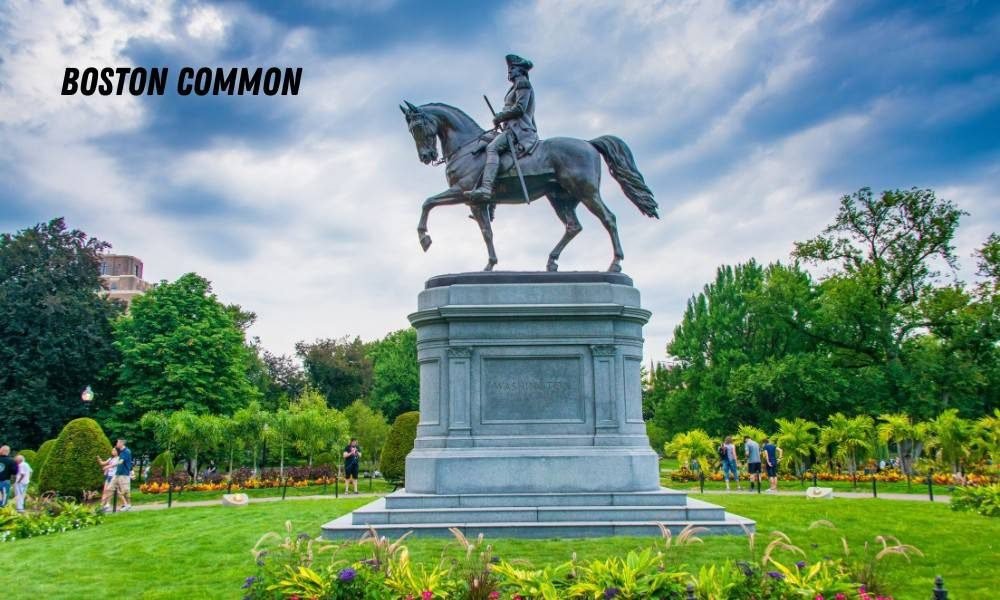
- Boston Common and Public Garden are beautiful, iconic, and free
- Harvard and MIT campuses walk through America’s most famous university campuses at no cost
- Harborwalk, a 47-mile waterfront trail, free
- Rose Kennedy Greenway, a beautiful green space running through downtown, free
Boston’s secret budget advantage: almost everything famous here is free or very cheap, the Freedom Trail, Boston Common, Faneuil Hall’s exterior, the Harvard campus, the waterfront, and most of the historic neighborhoods.
Boston: East Coast Budget Option
The 7-day MBTA pass ($25) covers subway, bus, and commuter rail in one go. Accommodation in Cambridge or Somerville runs $80-120/night versus $150+ downtown. The North End neighborhood offers authentic Italian dining under $15 if you know where to look. The Boston Public Library is beautiful and free to explore, and so is Boston Common, and so are the harbor walks. Skip Cheers; it’s a tourist trap. Local pubs and breweries offer far better value for the same night out.
Miami
Miami Cost Breakdown (2026)
Miami’s prices swing hard by season. Winter (December-March) is peak, with warm weather, snowbird crowds, and the highest hotel rates of the year. Summer is hot, humid, hurricane-prone, and noticeably cheaper as a result. Public transit is limited here, so factor in rideshares or a car when planning transport.
| Category | Budget | Mid-range | Luxury |
| Accommodation/night | $45-90 (hostel/Fort Lauderdale) | $120-250 (South Beach 3-star) | $350-700+ (oceanfront resort) |
| Food/day | $35-45 | $60-95 | $150-300+ |
| Transport/day | $10-15 (Metromover free + bus) | $30-60 (rideshare/car) | $80-150 (private/rental) |
| Attractions/day | $0-20 (beaches, Wynwood Walls) | $40-70 (Everglades tour, museums) | $120-250+ (boat charters, clubs) |
| Daily total | ~$90-170 | ~$250-475 | ~$700-1,400+ |
Miami tip: Stay in Fort Lauderdale and take the Brightline train into the city, or rely on the free downtown Metromover once you’re there. The beaches and South Beach’s Art Deco district cost nothing to enjoy; your biggest controllable expense here is really just dining and nightlife.
Where to Stay for Less
Accommodation and food account for more than 50% of your city expenses. If you control this one thing, everything else gets easier. Here’s how to actually reduce hotel costs.
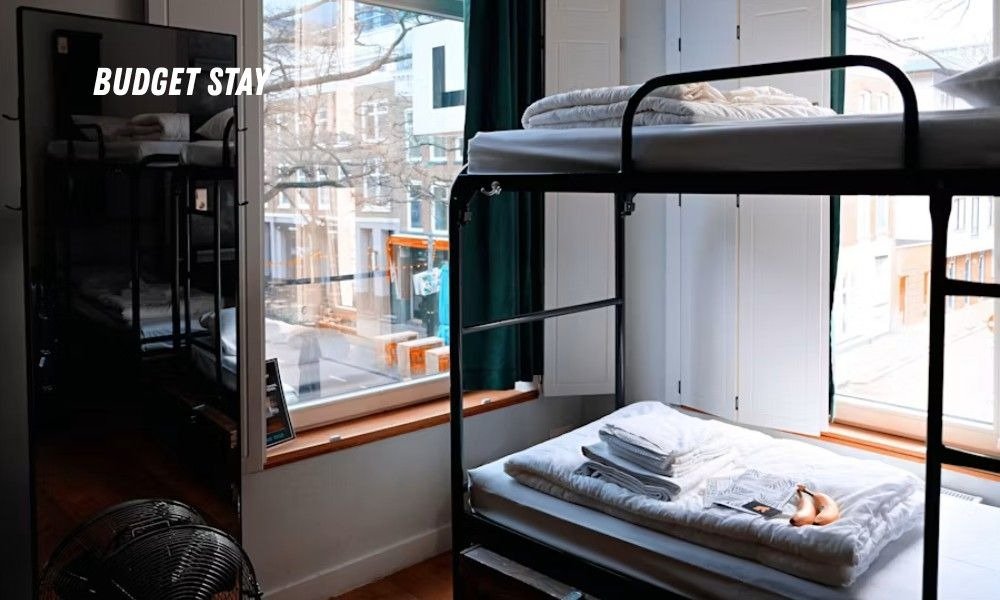
Rule One: Skip the Tourist Zone
Every expensive US city has a tourist zone where prices run 2-3x higher than everywhere else:
- NYC → Times Square / Midtown
- SF → Fisherman’s Wharf / Union Square
- LA → Hollywood / Santa Monica
- Chicago → Magnificent Mile
- Boston → Beacon Hill / Back Bay
Best Budget-Friendly Neighborhoods by City
| City | Affordable Neighborhood | Avg. Cost/Night (2026) | Transit Time to Center |
| NYC | Washington Heights, Astoria (Queens), Ridgewood | $100-$180 | 20-30 min via subway |
| SF | Mission District, Bernal Heights, Outer Sunset | $90-$200 | 15-25 min via MUNI/BART |
| LA | Koreatown, Los Feliz, Silver Lake, Mid-City | $110-$190+ | 20-35 min via bus/Uber |
| Chicago | Logan Square, Wicker Park, Pilsen | $80-$160 | 15-25 min via CTA |
| Boston | Cambridge, Somerville, Jamaica Plain | $120-$180+ | 15-30 min via T |
Best Accommodation Types for Budget Travelers
- Hostels with private rooms ($110-160+/night) are best for solo travelers and short stays. NYC options like HI New York, Pod 39, and The Jane Hotel run $95 to $100 per night.
- Airbnb in outer neighborhoods ($120-160/night) is best for stays of 3+ nights; kitchen access alone reduces food costs by $15-25/day.
- Extended Stay Hotels ($130-150/night): Best for stays of 5+ nights; weekly rates can run 30% cheaper than nightly ones.
Pro tip: Always check for hidden “Resort Fees” or “Facility Fees” that aren’t included in the initial price you see.
Why Outer Neighborhoods Work
Tourist zones, Times Square in NYC, Fisherman’s Wharf in San Francisco, and Hollywood in Los Angeles cost 2-3x more than neighborhoods just 15 minutes away by public transit. Washington Heights in NYC averages $2,000-2,400 in monthly rent but offers clean, safe, hostel-quality accommodation for $45-65 nightly. The Outer Sunset in San Francisco provides similar affordability while keeping excellent neighborhood character.
It’s worth researching neighborhoods with strong public transportation connections specifically. In NYC, the A, C, and 1 trains connect Washington Heights to Midtown in just 20-30 minutes. In SF, Mission District and Bernal Heights offer affordable short-term rentals with direct BART access to downtown.
A Few More Ways to Cut the Bill
- Book hotels with free breakfast included; this alone saves $15-25/day per person
- Stay in secondary cities instead of the main hub: Jersey City over Manhattan, Oakland over San Francisco, Fort Lauderdale over Miami, and Pasadena over central LA
- Use hotel reward programs (IHG, Marriott, Hilton); points add up fast across a multi-city trip
Getting Around Without Overspending
Public Transit Passes They Pay Off Fast
| City | Transit Pass | Cost | Best Value? |
| NYC | 7-day OMNY | $35 | Yes, breaks even at 12 rides |
| SF | 7-day Visitor Passport (MUNI) | $47 | Yes, it includes cable cars |
| LA | 7-day Transit Pass (Metro) | $25 | Moderate, LA needs strategic use. |
| Chicago | 7-day CTA Pass | $25 | Excellent, covers all buses and trains |
| Boston | 7-day MBTA LinkPass | $23 | Yes, great coverage. |
These passes pay off fast once you’re doing more than a handful of rides a day, which most city trips end up needing anyway.
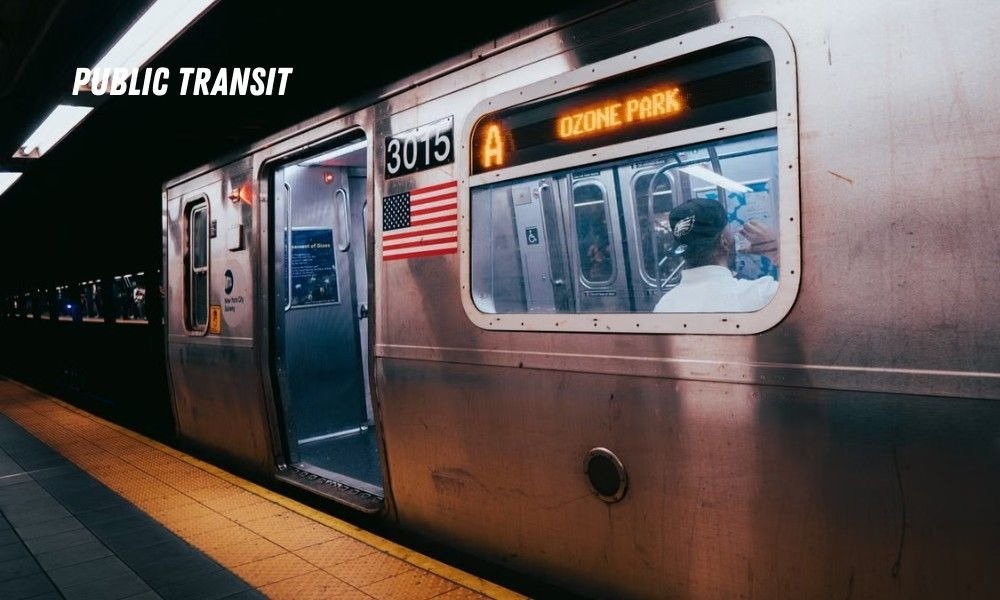
Airport Transfer Hacks: Stop Paying $50+ for Taxis
| City | Taxi/Uber Cost | Budget Alternative | Cost |
| NYC (JFK) | $85-110 | AirTrain + Subway | $11.75 |
| NYC (EWR) | $70-100 | NJ Transit + Subway | $17-25 |
| San Francisco | $45-60 | BART from SFO | $10.50 |
| Los Angeles (LAX) | $40-65 | FlyAway Bus + Metro | $11-15 |
| Chicago (O’Hare) | $40-55 | Blue Line CTA | $5 |
| Boston (Logan) | $35-55 | Silver Line + Red Line | Free |
Walk More Than You Think
Most tourists significantly overestimate distances in US cities. A few realities worth knowing:
- Times Square to Central Park South: a 10-minute walk
- Union Square SF to Chinatown: a 15-minute walk
- Chicago’s Millennium Park to the Art Institute: a 5-minute walk
Walking saves money and gives you a real feel for the city that a rideshare window never will.
Avoid Rideshare During Surge Hours
Surge pricing on Uber and Lyft during rush hours (7-9 AM, 5-7 PM) and right after events can triple base fares without warning. If you need to use rideshare during peak times, wait 10-15 minutes for prices to drop, or walk to a nearby street where fares often reset lower.
Getting Between Cities
Domestic flights (round trip): New York-LA runs $180-350, New York-Miami $150-280, LA-San Francisco $80-150, and Chicago-New Orleans $120-220. Budget airlines like Spirit, Frontier, and Southwest advertise cheap base fares, but they charge for bags and seats separately and add $60-100 in fees for a realistic total price.
Amtrak trains: New York-Washington DC costs $50-150 and take 3-4 hours. Chicago-New Orleans runs around $110 for a 20-hour ride, while the full coast-to-coast New York-LA route costs about $280 and takes 3 days. For frequent riders, the USA Rail Pass costs $499 for 15 days of unlimited coach travel. Trains are scenic but slow, best suited for the Northeast Corridor and the California coast specifically.
Greyhound / FlixBus: the cheapest option overall at $30-80 between major cities, New York-Boston runs $25-40, LA-San Francisco $35-60, but it’s also the slowest way to get there.
Eating Cheap Without Eating Badly
Food in tourist zones costs 2-3x what locals pay for the same or worse quality. This is the second-biggest area where budget travelers overspend, right after accommodation.
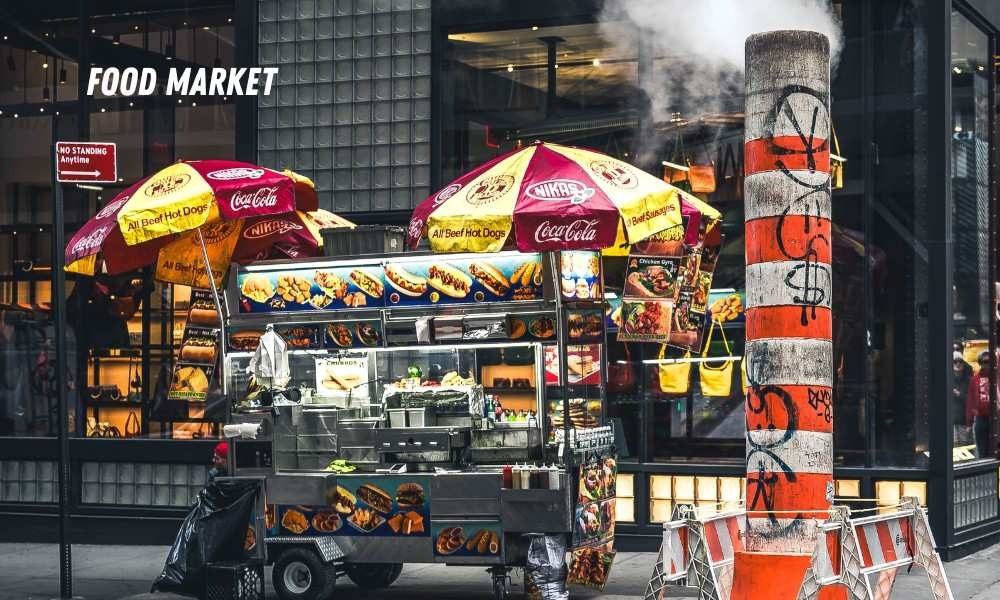
The Golden Rule: Walk 2-3 Blocks Away From Any Major Attraction
The restaurant at the edge of Central Park charges $22 for a burger. Two blocks away on Columbus Avenue, the same quality burger costs $13. This exact pattern repeats across every tourist zone in America.
Best Budget Food Strategies by City
New York City:
- Dollar pizza slices (now $1.50-$2.50) at numerous spots throughout Midtown
- Halal carts complete chicken/rice meals for $9-$12, some of the best food in the city
- Chinatown: full dim sum meals for $6-10 per person
- Bagels: $4-6 for a full breakfast at local delis
- Avoid any restaurant within 3 blocks of Times Square
San Francisco:
- Mission District burritos (La Taqueria, El Farolito) $13-16, enormous portions
- Outer Sunset and Richmond District: great Asian food for $12-19
- Ferry Plaza Farmers Market (Saturday): excellent food for $12-22
- Avoid restaurants near Fisherman’s Wharf; you’ll pay 50% more for half the quality
Los Angeles:
- Taco trucks throughout East LA and Koreatown: $3-$5 per taco
- Zankou Chicken rotisserie plates: $12-18
- Grand Central Market (downtown): multiple cuisines, $15-22
- Koreatown BBQ: all-you-can-eat for $30-50, splits well between two people
- Avoid Hollywood Boulevard and the Venice Beach boardwalk
Chicago:
- Chicago-style hot dogs: $3-7 at local stands
- Deep dish pizza by the slice: $5-12
- Pilsen neighborhood: authentic Mexican food for $10-12
- Avoid the Magnificent Mile
Boston:
- North End (Little Italy) authentic Italian pasta $15-26
- Allston/Brighton: diverse cheap eats $10-18
- Quincy Market food stalls: mixed quality but reasonable at $12-18
- Avoid sit-down meals near Faneuil Hall
Grocery Store Strategy (Saves $20-30/Day)
If you buy groceries twice a day and eat at a restaurant once during a four-day trip, you can save $30-$50 daily, which adds up to $120 to $150 saved across four days. Here’s what that actually looks like:
- Pre-made salads: $6-8
- Rotisserie chicken: $8-10 (good for 2-3 meals)
- Deli sandwiches: $6-9
- Fresh fruit + yogurt breakfasts: $4-6
Trader Joe’s and Whole Foods both have solid budget sections worth checking. Bread, cheese, and fruit put together create picnic lunches for $5-7 daily. Over a 4-day trip, eating breakfast and lunch from groceries saves $30-50 daily while still leaving room for one nice dinner out.
Food Costs: The Tipping Factor
Food in the USA comes with a hidden cost that catches international visitors off guard: tipping is effectively mandatory. Add 18-25% to every sit-down restaurant bill and $1-2 per drink at bars. Here’s what meals typically run before tip:
- Fast food combo: $11-15 (McDonald’s, Wendy’s, Chick-fil-A)
- Casual restaurant lunch: $15-25
- Casual restaurant dinner: $25-45
- Mid-range restaurant: $40-70
- Fine dining: $100-300+
Budget-friendly food overall: grocery stores like Trader Joe’s, Aldi, and Walmart let you prepare simple meals for $15-25/day. Food trucks run $8-15 for a full meal. Happy hours, typically 3-6 PM, cut appetizers and drinks by around 50%. Fast-casual spots like Chipotle or Panera cost $10-14 with no tip expected at all.
Daily food budgets by style: budget travelers land around $35-45/day (grocery breakfast, food-truck lunch, casual dinner), mid-range sits at $60-90/day (cafe breakfast, restaurant lunch, nice dinner), and foodie-focused trips run $120-200+/day (brunch spots, trendy restaurants, craft cocktails).
Regional specialties worth the splurge: NYC pizza slices ($3-5), bagels ($4-8), and deli sandwiches ($12-18); LA tacos ($3-5 each) and In-N-Out ($8-12); New Orleans po’boys ($12-18) and beignets ($5-8); Texas BBQ plates ($15-25); San Francisco sourdough bread bowls ($12-18) and dim sum ($25-40 per person).
Free & Low-Cost Things to Do
The best strategy for tackling expensive US city attractions: hit the free ones first, then budget for just 1-2 paid premium experiences per trip.
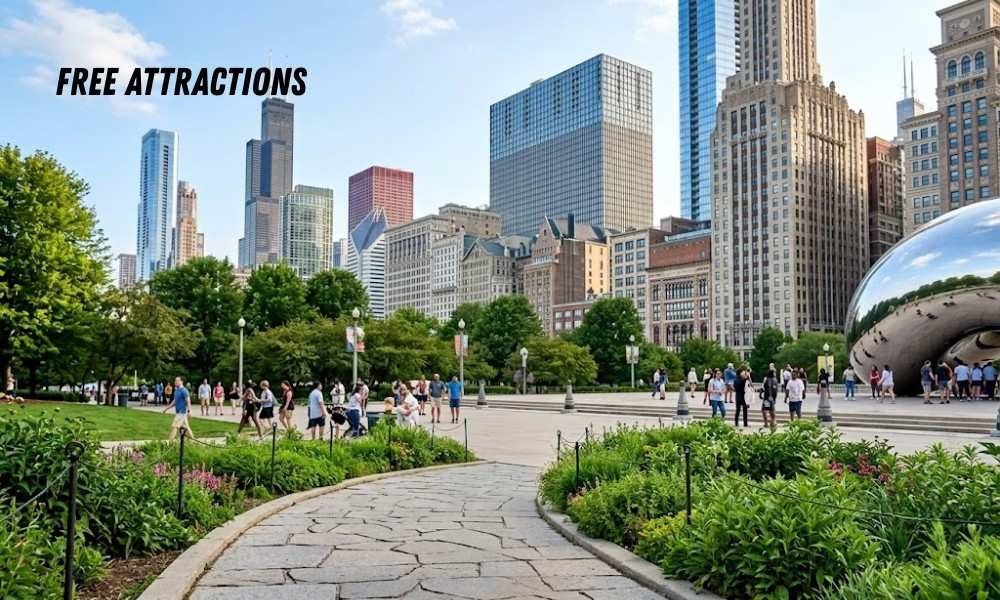
New York City Free Highlights
- Central Park: 843 acres, including Sheep Meadow, Bethesda Terrace, Bow Bridge, and the Reservoir
- Staten Island Ferry: a free ride with Statue of Liberty views, running 24/7
- The High Line, an elevated park on old railway tracks, is free, with great views of the west side
- Grand Central Terminal’s stunning architecture, free to explore
- DUMBO (Brooklyn): some of the best skyline views in NYC, right under the Manhattan Bridge
- Governors Island is free before 11am on Saturdays and Sundays; after 11am the ticket runs for five to ten dollars, though it’s permanently free for students
- 9/11 Memorial Pools: free access to the outdoor memorial (the museum itself is paid)
San Francisco Free Highlights
- Golden Gate Bridge Walk one of the world’s great walks, free
- Twin Peaks Viewpoint is the best city panorama around, free and accessible by bus
- Lands End Trail coastal hiking with ocean and bridge views, free
- Mission District Murals (Clarion Alley & Balmy Alley): an open-air art gallery, free
- Baker Beach, a free beach with Golden Gate views
- Dolores Park, a local favorite for picnics and skyline views, free
- Ferry Building Marketplace is free to browse, with an excellent Saturday farmers market
Tip: San Francisco’s weather can change in an instant. Even on a sunny day, carry a light jacket; fog can roll in without much warning.
Los Angeles Free Highlights
- Griffith Observatory Grounds: free access, Hollywood Hills views, and free telescope nights on Friday and Saturday
- The Broad Museum free admission (reserve online in advance)
- Getty Center free admission, an architectural masterpiece in its own right, with a free tram from the parking area
- Venice Beach Boardwalk: free, iconic, endlessly entertaining
- Runyon Canyon free hiking with Hollywood Hills views
- Grand Central Market is free to browse and great for people watching
- California Science Center: free admission, home to the Space Shuttle Endeavour exhibit
Tip: Book tickets for The Broad and the Getty Center online 2-3 weeks in advance; otherwise, entry can be genuinely difficult to get on arrival.
Chicago Free Highlights
- Millennium Park is free and home to Cloud Gate (“The Bean”), Crown Fountain, and Lurie Garden
- Lincoln Park Zoo is always free, one of America’s last free major zoos
- Chicago Riverwalk: a beautiful free walk along the river
- Navy Pier is free to walk, with views of Lake Michigan
- The Art Institute of Chicago is always free for children under 14, with adult discounts on select days like Free Days for Illinois Residents
Boston Free Highlights
- Freedom Trail a 2.5-mile self-guided walk through 16 major historical sites, free
- Boston Common: America’s Oldest Public Park and It’s Free
- Harvard Yard a walk through Harvard’s iconic campus, free
- Harborwalk a 47-mile waterfront walk, free
- MIT Campus: free public access to stunning modern architecture
Museum Free Days 2026 Schedule
| Museum | Free Access |
| MoMA (NYC) | Fridays 5:30-8:30 PM, New York State residents only |
| American Museum of Natural History (NYC) | Pay-what-you-wish (minimum $1), available to NY, NJ, and CT residents |
| de Young Museum (SF) | First Tuesdays free |
| SFMOMA (SF) | Free on Culture for Community Day, free on Family Day, and always free for children under 18 |
| The Broad (LA) | Always free (reserve online) |
| LACMA (LA) | Tuesdays 3-8 PM |
| Art Institute of Chicago | Thursdays free for Illinois residents, always free under 14. |
| Museum of Fine Arts Boston | Wednesday evenings are free. |
| Hammer Museum (LA) | Always free |
| California Science Center (LA) | Always free |
Budget Tips by Traveler Type
Budget Tips for Solo Travelers
Solo travelers have real flexibility advantages here. Shared hostels ($40-60/night) are both practical and social, and solo dining at casual restaurants beats paying for expensive sit-down service alone. Walking entire cities becomes easier too, no coordination needed with anyone else. Book accommodation with common areas for socializing, and join free walking tours to meet other travelers along the way.
If you’re still figuring out how much to save before you go, a proper savings plan makes this whole budget easier to hit.
Cost Reality: Solo travelers can hit $65-75/day in expensive cities through hostels, groceries, and transit-focused exploration.
Budget Tips for Couples
Couples should prioritize shared Airbnb studios ($80-110/night) over hotels charging $200+ for two people. Splitting meals at nicer restaurants ($30-40 combined) beats ordering two separate casual meals ($20 each), and shared activities naturally reduce per-person costs across the board. Grocery shopping can even set up a proper picnic date; wine, cheese, and bread run $15-20 for a genuinely romantic setup.
Cost Reality: Couples can manage $90-110/person daily by optimizing shared costs.
Budget Tips for Families
Families benefit from free attractions more than any other traveler type. Free museums, parks, and walking tours cost nothing regardless of family size, which changes the math fast. Grocery shopping becomes more critical here too, prepping breakfasts and packing lunches ahead of time. Airbnbs with kitchens reduce restaurant spending by $20-30 daily, and plenty of museums offer free hours worth building a day around, MoMA’s Friday 4-8pm window is especially good for families looking to avoid crowds.
Cost Reality: Families can target $85-100/person daily with careful planning.
Budget Tips for Digital Nomads
Digital nomads staying 2-4 weeks should negotiate monthly Airbnb rates, expecting a 20-30% discount versus nightly pricing. Coworking spaces like Plug and Play or WeWork offer day passes for $30-40 when needed. Confirm internet speeds before booking anything, and pick accommodation near reliable transit to avoid costly daily transportation. The real advantage here is the schedule itself: work mornings, explore afternoons.
For longer stays like this, packing smart from day one saves you from overbuying once you land.
Cost Reality: Digital nomads achieve $70-90/day through monthly accommodation discounts and strategic coworking usage.

Apps & Tools That Actually Save Money
Transportation Apps
- Citymapper covers 28 major US cities, including NYC, LA, SF, DC, Chicago, and Boston. It’s more accurate than Google Maps for public transit specifically, showing platform numbers, real-time delays, and alternative routes. Saving time here genuinely means saving money.
- Google Maps free offline maps, walking directions, transit options, estimated travel times, and real-time traffic. A solid essential backup no matter what else you’re using.
- Moovit provides comprehensive transit coverage with crowd-sourced delay information, especially useful in cities where Citymapper isn’t available.
- Waze is the best driving app for real-time traffic and hazards, worth having if you’re renting a car anywhere.
Budget Tracking Apps
- Splitwise tracks group expenses, splits bills among travelers, and makes settling up with friends painless afterward.
- XE Currency real-time exchange rates and a currency converter for comparing international spending on the fly.
- Mint Mobile budget phone plans ($15-35/month) for staying connected without paying expensive carrier rates.
Free Attraction Finders
- TripAdvisor free attraction filters, reviews, open hours, and a way to confirm free-day schedules before you go.
- Atlas Obscura surfaces lesser-known free attractions that locals actually visit, not just the obvious tourist stops.
- Local tourism websites like NYC.gov, SFTravel.com, and DiscoverLosAngeles.com provide official free attraction lists and museum day schedules straight from the source.
Staying Connected Without Roaming Fees
The USA’s sheer size means you’ll lean on your phone constantly for maps, rideshare apps, restaurant reservations, park trail guides, and just staying in touch. International roaming is the worst way to pay for that; most carriers charge $10-15 per day, which adds up to $100-150+ over a 10-day trip just for basic connectivity. Buying a physical SIM at the airport costs $40-60 and burns an hour of vacation time standing in a queue.
A travel eSIM solves both problems at once. The Simbye USA eSIM runs on T-Mobile, Verizon, and AT&T, the same premium networks Americans actually use, so you get coverage coast to coast, including most national parks. You install it before you leave home, and it activates the moment you land, no shop visit, no SIM swap.
Simbye USA eSIM plans:
- 1GB / 7 days: $3
- 3GB / 30 days: $8
- 5GB / 30 days: $12 (most popular for 1-2 week trips)
- 10GB / 30 days: $15
- 20GB / 90 days: $20
- 50GB / 180 days: $40
- Unlimited 7 days: $20
- Unlimited 15 days: $30
Want a real US phone number on top of the data, for SMS verification codes or local calls, say? Simbye also offers a separate US virtual number you can add alongside your eSIM.
Why this fits a USA budget specifically:
- Premium T-Mobile / Verizon / AT&T coverage, coast to coast and in most national parks
- Keep your home number active for WhatsApp and messaging
- Hotspot supported, share data with travel companions
- Install at home; skip the airport SIM queue entirely
- Top up instantly in the app if you run low
- 24/7 human support, not chatbots
Best Time to Visit for Lower Prices
Picking the right time to visit expensive US cities can save 20-40% on accommodations and flights.
Shoulder Season = Best Value
Winter (January-March) is the cheapest time for NYC, Chicago, and Boston. Hotel prices run 30-40% lower than peak summer months; the weather turns cooler, but cities operate normally, and indoor attractions stay less crowded. Flights get significantly cheaper too. One catch: Chicago and Boston see extreme cold and snowfall in January-February, which can genuinely hinder travel plans.
Fall (October-November) works best for SF and LA, great weather paired with prices dropping after the summer rush. NYC gets cheaper in late October and November specifically, since September runs more expensive thanks to Fashion Week.
What to Avoid
Summer (June-August) is the most expensive stretch for both accommodations and flights, with peak crowds to match. If summer is your only option, book at least 3+ months in advance.
Holiday season (Thanksgiving through Christmas-New Year’s) sees hotel prices spike 60-100% across every city on this list. Major events compound this further: NYC Fashion Week (February, September), SF Pride (June), LA Golden Globes (January), LA Oscars (March), and the Chicago Air and Water Show (August) all push prices up significantly during their windows.
Event-Free Travel Windows
NYC is most expensive during Fashion Week (September and February) and the Christmas-New Year’s holidays. San Francisco sees higher prices throughout Tech Conference season (April-May). In Los Angeles, major events like the Golden Globes in January and the Oscars in March can significantly increase accommodation costs.
These periods alone can inflate prices 50%+. Visiting 2-3 weeks before or after any major event tends to deliver noticeably better value.
Common Budget Travel Mistakes to Avoid
1. Choosing Convenience Over Accommodation
Mistake: Only booking hotels in the city center or Times Square. Why it’s wrong: These spots are the most expensive in any city and quickly ruin a budget. The right way: Choose Airbnb, hostels, or places a little further away but still connected by metro or bus.
2. Ignoring Public Transportation
Mistake: Taking Uber or Lyft everywhere. Why it’s wrong: Traffic and surge pricing significantly increase expenses over the course of a trip. The right way: In NYC, contactless payment (credit, debit, or phone) now works directly at the gates. In Chicago and Boston, though, a physical transit card (Ventra or CharlieCard) is still the common route for long-term passes.
3. Traveling During Peak Season
Mistake: Planning a trip during summer or the Christmas/New Year stretch. Why it’s wrong: Flight and hotel prices can double during these windows. The right way: Go off-season; spring or fall both work well.
4. Missing Free Attractions
Mistake: Focusing only on paid tours and tickets. Why it’s wrong: Museums, parks, and festivals across every city on this list have free entry options. The right way: Research what free activities are available well in advance.
5. Choosing Tourist Spots for Food
Mistake: Eating at places like Times Square or Pier 39. Why it’s wrong: Food quality here is average at best, but prices run very high. The right way: Explore local diners, food trucks, and ethnic neighborhoods, Indian and Asian food in Queens, for instance. Chinatown or local food trucks get you a full meal for $15-20, versus paying tourist-spot prices for less.
6. Last-Minute Booking
Mistake: Booking flights and hotels just a few days before the trip. Why it’s wrong: Last-minute prices are almost always higher. The Smart Way: Book Your Trip 3-5 Months Ahead
7. Using Tourist Transport
Taking taxis straight from airports or relying on rideshare everywhere destroys budgets fast. An Uber from LAX to downtown runs $35-50, while public transit covers the same trip for $11-15. Airport taxis are worse still, $60+ versus $10-15 on transit. The lesson: research ground transportation before you even land.
8. Dining Near Major Attractions
Times Square restaurants charge $25-30 for meals that cost $12-15 just six blocks away. Tourist neighborhoods profit from convenience pricing alone, while neighborhoods where locals actually eat offer 40-50% savings on the same quality of food.
9. Overpaying for City Passes
Some city passes claim big value but deliver only marginal savings. NYC’s CityPass costs $145 for 7 attractions; doing them separately runs about $140. The math barely justifies the pass. Individual attraction discounts, like MOMA’s Friday pay-what-you-wish hours or museum free days, often beat the packaged deal entirely.
10. Not Using Free Attractions First
Tourists often budget $200-300 for attractions and skip the free options entirely. Walk the Brooklyn Bridge for free before paying $45 for Top of the Rock. Hike Griffith Park free before paying for the Observatory shows. Free attractions should fill the itinerary first, paid ones supplement it, not dominate it.
11. Missing Local Restaurants
Chain restaurants are everywhere, but locals don’t eat at them. Skip Applebee’s, Olive Garden, and Cheesecake Factory. Seek out neighborhood joints, ethnic restaurants, and food trucks instead; they offer better food, lower cost, and a far more authentic experience overall.
Tips for International Travelers
Most budget travel guides are written for Americans. Here’s what international visitors, particularly Indian travelers, need to know that other guides tend to skip.
Currency and Money Tips
Always check the current USD to INR rate before traveling, and add a buffer of 5-10% extra money into your budget. For flights, set alerts on Skyscanner or Google Flights; flights from India to the USA are cheaper if booked at least 4-5 months in advance.
Best ways to access USD:
- Wise (formerly TransferWise) debit card: the best exchange rates and low fees; get one before you travel. This is genuinely the single best tip for Indian travelers on this list.
- Zero forex markup card options like Niyo Global, Fi Money, or Scapia offer market exchange rates with no extra fees.
- Avoid currency exchange counters at airports; they charge 3-7% above the market rate.
- Avoid using Indian credit or debit cards without informing your bank first; transactions often get blocked without that heads-up.
Tipping Culture Critical for Indian Travelers
Unlike India, tipping isn’t optional in the USA. It’s a core part of how service workers earn their income.
- Restaurants (sit-down): 18-20% of the bill, always
- Coffee shop counter: $1-2 per drink (optional but appreciated)
- Taxi/rideshare: 15-20%
- Hotel housekeeping: $2-5/night
Budget impact: mentally add 20% to every restaurant bill when budgeting, or the numbers won’t add up later.
SIM Card / Data Tips
eSIM (recommended): instead of hunting for physical local SIMs, using eSIMs like Airalo or Nomad is more budget-friendly and convenient. Activate them before leaving India and they work immediately on arrival.
Local SIM options: if your phone doesn’t support eSIM, visit a T-Mobile or AT&T store in the city itself. Avoid buying at airport kiosks; they run 40-60% more expensive for the same plan.
Tip: download Google Maps offline for your destination city before you land so you can navigate even before your data connection kicks in.
Food Tips Specific to Indian Travelers
- NYC: Jackson Heights (Queens), Little India, with authentic South Indian, North Indian, and chaat for $8-14
- SF: Mission District has excellent South Asian food, and Fremont (East Bay) has a large Indian community
- LA: Artesia (“Little India”) in South Bay, arguably the best Indian food outside India in America
- Chicago: Devon Avenue, Chicago’s Indian neighborhood, excellent and genuinely affordable
- Vegetarian travelers: US cities are very vegetarian-friendly overall; Chinatown, Korean, Japanese, and Indian restaurants all offer great vegetarian options at budget prices
Visa and Entry Tips
Apply early for your US B1/B2 tourist visa, 6-10 months in advance is recommended given current wait times. Keep only a provisional itinerary (dates and locations) ready for the interview; the US Embassy specifically advises against booking confirmed tickets until your visa is approved. Focus on showing strong ties to India, job, family, and property as evidence of your intent to return. One important note: ESTA is not available for Indian passport holders; a valid visa is mandatory.
Sample Weekly Budget
Here are three complete weekly budgets so you can see how the daily numbers add up over a real trip. All figures exclude international flights.
| Item | 7-day budget (NYC or LA) | 10-day mid-range (multi-city) | 14-day road trip + parks |
| Accommodation | $560 ($80/night) | $1,700 ($170/night) | $2,100 ($150/night) |
| Food (incl. tips) | $280 ($40/day) | $700 ($70/day) | $980 ($70/day) |
| Transport | $100 (transit + transfer) | $400 (flight + car + rideshare) | $800 (car rental + gas) |
| Attractions | $150 (mix free + paid) | $400 (attractions, tours) | $300 + $250 park pass |
| eSIM data | $12 (5GB) | $15 (10GB) | $20 (20GB) |
| Total (excl. flights) | ~$1,100 | ~$3,215 | ~$4,450 |
Notice how connectivity ends up being the smallest line item on every single trip when you use a travel eSIM and the most expensive if you don’t. International roaming at $10-15/day would add $70-210 onto these same trips for nothing more than basic data access.
FAQs
Yes, absolutely. That $80 splits into $45 for accommodation (outer neighborhood shared Airbnb), $25 for food (breakfast, lunch, dinner, andcheapest and most snacks), $5 for transit, and $5 for activities. You’ll eat well, use transit freely, and still catch the major attractions. Budget travelers sustainably report $70-80 daily in NYC with a bit of discipline.
Chicago wins this one by a clear margin. The CTA transit pass ($33/week) is the best-value transit deal in America. Accommodation runs $70-90/night in affordable neighborhoods, deep-dish pizza slices go for $5-7, and free attractions like Millennium Park, the zoo, and the library are genuinely plentiful.
Usually not. NYC’s CityPass only delivers marginal savings, around 15-20%. Individual attraction discounts, MOMA’s Friday pay-what-you-wish hours, and museum-free days often beat the packaged deal outright. Calculate your planned attractions before buying any pass.
Not in NYC, San Francisco, or Boston, public transit handles everything and parking runs $15-30 daily. Los Angeles is more conditional, a rental ($40-60 daily) beats daily Ubers ($60-100) if you’re staying 4+ days and want to explore beaches or mountains outside the city.
If you’re not a US resident and plan to visit major parks like Yellowstone, Grand Canyon, or Yosemite, budget an extra $100 per park on top of the ~$35 vehicle fee. Planning to see three or more parks? The $250 non-resident annual pass works out overall cheaper.
Conclusion
Budget travel in expensive cities really does come down to knowing where the local price sits versus the tourist one. Once you’ve got the neighborhood picks, the transit passes, and the free-attraction lists sorted, none of them feel out of reach anymore.
The mistakes cost more than the strategy ever does, booking last-minute, staying in the tourist zone, and skipping free attractions because they feel too good to be true. Fix those, and the daily numbers drop fast without the trip feeling smaller for it.
If there’s one thing worth taking from all this, it’s that expensive cities reward a little research more than they reward a bigger budget. That’s the whole point of putting a guide like this together on GirlWay, so the next trip starts smarter than the last one did.
