
Is Costa Rica Safe for Solo Female Travellers? The Short Answer
Yes, and this is the strongest positive signal of any guide in this series. The BBC ranked Costa Rica number one for women travelling alone in 2026, and the numbers back it up. The US State Department rates the country Level 2, Exercise Increased Caution, because of crime, and that is the whole country, with no region rated higher and no do-not-travel areas anywhere. The safest towns, La Fortuna, Monteverde and Nosara, are small, social and full of solo women travelling alone. But safe does not mean effortless. The real day-to-day risks for a solo woman here are theft from parked cars, rip currents on the beach and the violence that sits in the port areas, far from the tourist corridors. This guide gives you the honest picture: where Costa Rica is safe, where it is not, and the town-by-town playbook that makes the difference.
What the Official Advice Says
The numbers put Costa Rica at the top of this series. The Global Peace Index 2026 ranks it 62nd of 163 countries, with a score of 1.860, down fourteen places but still the highest-placed Central American country and the only one in the top half. The Women, Peace and Security Index for 2025/26 ranks Costa Rica 34th of 181, with a score of 0.824, up from 60th, one of the largest gains in the index and the best WPS rank of any guide on this site. The US State Department rates the country Level 2, Exercise Increased Caution, because of crime, in advice issued on 2 April 2026. That is the whole country, with no region rated higher. The UK Foreign Office, whose advice was updated on 19 May 2026, gives no advice against travel to any part of Costa Rica. Canada advises a high degree of caution. None of the major advisories treats the tourist towns as a risk destination. They treat the country as a normal one with specific warnings inside it, and that is exactly how this guide treats it too.
For the wider picture, our guide to the safest countries for solo female travellers puts Costa Rica in context with the other places on this site. It is the safest country in this series by the women’s index, and this guide does not hide that. The habits in our solo female travel safety tips guide apply here as they do everywhere, though in Costa Rica the car and the beach habits matter more than most of the rest. Colombia is the Level 3 neighbour in this series, and the contrast is the point: same region, one tier lower, and no Level 4 areas anywhere.
The Safest Towns: La Fortuna, Monteverde, Nosara
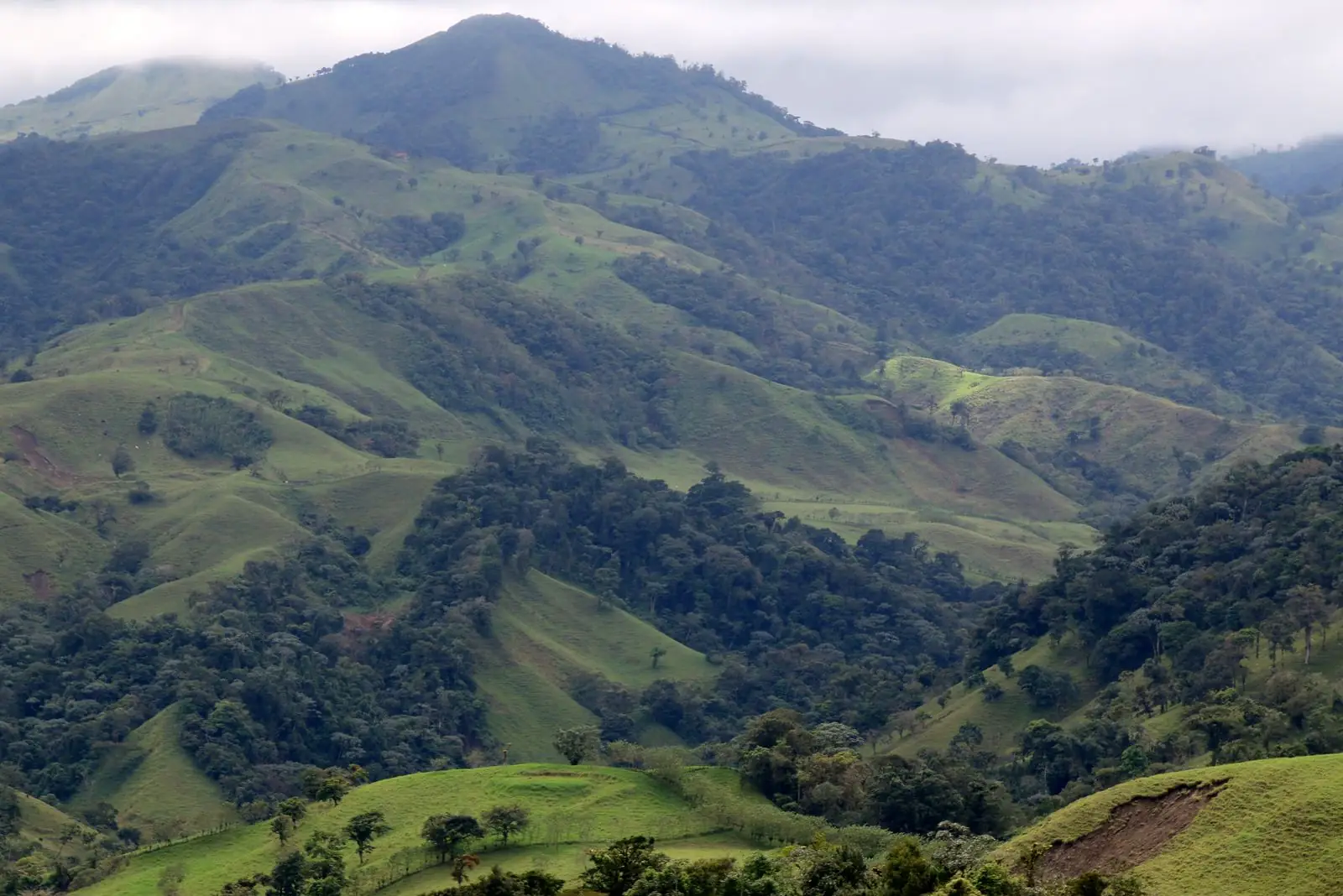
This is the section that decides whether the guide is honest, so here it is plainly. Most solo women travel one of three bases. La Fortuna, by the Arenal volcano, is the adventure hub, and crime against visitors there is very low. Monteverde is a small cloud-forest town where tourist-targeted crime is almost zero. Nosara, on the Guanacaste coast, is a beach town built around surfers and expats, and it is the easiest place to meet other travellers. Manuel Antonio, Tamarindo and Santa Teresa are the other three bases, all social, all full of solo women, all easy to move around alone.
The towns work because they are small. You walk everywhere, you eat where other travellers eat, and you book activities where other travellers book them. A boutique hotel or a social guesthouse beats an isolated rental for a first solo trip, because the people around you are the safety net. Monteverde is the town where solo women most often say they felt safe in Monteverde.
The Honest Caveat: Where the Violence Actually Is
The homicide rate is the number this guide will not hide. In 2025 it was 16.8 per 100,000, barely down from 17 in 2024, according to InSight Crime. That is a high number, and it deserves a plain answer. Most of it is drug-trafficking violence in Limón, in the Puntarenas port areas and in parts of San José, away from the tourist corridors. The tourist towns, La Fortuna, Monteverde, Nosara, Manuel Antonio, Tamarindo and Santa Teresa, are low-incident, and the violence that makes the number is not happening where visitors go.
The US Embassy in San José issued a security alert on 25 November 2025 about increased property crimes, financial fraud and armed robberies targeting tourists. That was a dated alert, and it is worth knowing about, but it is not current advice. The risk that matters for a visitor is theft, not the homicide number. Theft from parked cars at beaches and trailheads is the incident tourists most often report, and it is the one this guide spends the most time on.
Rip Currents: The Risk That Matters Most on the Beach
The risk most solo women actually meet in Costa Rica is not crime. It is the water. Rip currents are the top safety issue on the Guanacaste beaches, and the Red Cross counts more than 100 water deaths a year across the country. The UK Foreign Office says rip currents are very common, lifeguards are often absent, and drownings average 50 to 60 a year, a third of them tourists. The two numbers count different things, and both point the same way: the water is the risk.
The playbook is simple. Swim only where other people are swimming, and only where a lifeguard is on duty if one is available. Most beaches do not have lifeguards, so the rule is to swim where the locals swim, and never swim alone at a beach you do not know. If you are caught in a rip current, do not fight it. Swim parallel to the shore until you are out of it, then swim back in. And watch for crocodiles near surf beaches on the Pacific coast, which the UK advice flags as a real, if rare, risk.
Getting Around: Uber, Red Taxis and Night Movement
Costa Rica is easy to move around, and the transport habits are simple. Uber is widely available in San José and the tourist towns, and it gives you fixed pricing and a digital record of your driver. At night, use Uber or an official red taxi, or a car arranged by your hotel, rather than hailing a street taxi. The official red taxis carry triangular stickers, have a visible driver ID and operate with meters, and the UK advice names unofficial taxis as a specific risk. Between towns, the buses are reliable and cheap, and the domestic flights are short and affordable.
The car rule is the one that matters most. Do not leave valuables in a parked car at a beach or a trailhead, whether in view or in the trunk. Theft from parked cars is the incident tourists most often report, and it is the easiest one to stop. Take only what you need, lock the rest in your hotel safe, and do not stop for strangers signalling for help on the road, since they could be carjackers. The UK advice is blunt about this, and it is right.
Theft, Scams and the Parked Car Rule
The scams in Costa Rica are small and familiar. A slashed tyre followed by an offer of help, a drink spiked in a bar, cheap spirits made with methanol, and a taxi that is not a taxi. The rules are the same as everywhere: agree the price first, walk away from pressure, and never leave your drink unattended. The UK advice flags drink spiking specifically, and it says rapes and sexual assaults have increased, with some appearing to be targeted at tourists. That is a hard sentence to read, and it is worth reading. The habits that stop it are the same ones that stop everything else: a drink you watch, a car you booked, and a hotel you chose because other solo women recommended it.
If a crime happens, report it. File a denuncia, a formal report, with the OIJ, the judicial police, and the tourist police posts in Tamarindo, Dominical and other towns can help you start it. Calling 911 after a sexual assault starts the official support protocol, with urgent medical care and evidence collection. Save the number before you land.
Meeting People as a Solo Woman
Costa Rica is one of the easiest countries in this series to meet people, and that is a safety feature, not a social one. Book one or two structured activities early, a surf lesson, a guided hike, a coffee tour, and you will meet people on the first day. The boutique hotels and social guesthouses are built for this, and the shared kitchens and the group tours are where the other solo travellers are. A solo trip does not have to be a lonely one, and in Costa Rica it rarely is.
The other habit is the simplest one. Tell someone where you are going. The hotel receptionist, the tour guide, the friend back home. Share your live location when you go on a hike, and check in when you get back. It costs nothing, and it is the habit that turns a solo trip into a trip with a safety net.
Practical Safety Kit for Solo Women in Costa Rica
Save these numbers before you land. The emergency number in Costa Rica is 911, one free call that reaches police, ambulance and fire, and the operators work in English. The fire station direct line is 118 and the police direct line is 117, but only use them if 911 fails. Get a local SIM at the airport so you have data for Uber, maps and 911, because you will use them constantly. US passport holders do not need a visa for a short tourist stay, but check the current entry rules for your own passport before you fly, because they change. Do not pay third-party sites for an arrival card.
Pack repellent and use it every day, because the CDC has a Level 2 chikungunya notice for the northwest, issued on 30 July 2026, and dengue and Zika are present too. Tap water is safe to drink in most of the country, which is unusual in the region, but buy bottled water in remote areas. And keep your passport in the hotel safe, carrying a photo of it instead, because a lost passport costs you days.
For the general habits that work everywhere, our tips for solo female travellers cover the basics, and our best places to solo travel list shows where Costa Rica sits among the other destinations on this site. The country rewards travellers who plan their towns and respect the water, and it punishes nobody for doing either.
Yes. The BBC ranked Costa Rica number one for women travelling alone in 2026, and the US rates it Level 2, with no region rated higher and no do-not-travel areas anywhere. The safest towns are La Fortuna, Monteverde and Nosara, and the risks that matter are theft from parked cars and rip currents, not the violence in the port areas.
Level 2, Exercise Increased Caution, because of crime. The advice was issued on 2 April 2026, and it covers the whole country, with no region rated higher. The UK gives no advice against travel to any part of Costa Rica.
La Fortuna by the Arenal volcano, Monteverde in the cloud forest, and Nosara on the Guanacaste coast, plus Manuel Antonio, Tamarindo and Santa Teresa. All six are small, social and full of solo women, and all six are low-incident for crime against visitors.
Not in the tourist corridors. The 2025 homicide rate was 16.8 per 100,000, but most of it is drug-trafficking violence in Limón, the Puntarenas port areas and parts of San José, away from the tourist towns. Theft from parked cars at beaches and trailheads is the incident tourists most often report.
911, one free call for police, ambulance and fire, with operators who work in English. The fire station direct line is 118 and the police direct line is 117, but only use them if 911 fails.
Yes, they are the top safety issue on Guanacaste beaches. The Red Cross counts more than 100 water deaths a year across the country, and the UK says drownings average 50 to 60 a year, a third of them tourists. Swim only where other people swim, never swim alone at a beach you do not know, and if you are caught in a rip current, swim parallel to the shore until you are out of it.
US passport holders do not need a visa for a short tourist stay.