

Introduction
Some cities feel easy to underestimate, even earlier this year. Our team first set foot in Kuala Lumpur, the Malaysian capital, twice. Because of time constraints, each trip ended with a real craving for more of the city.
The images of missed places and unticked boxes stayed in our heads for days. Then Tourism Malaysia and Cebu Pacific invited us to tour it again. We did not hesitate, because the chance felt too good to miss.
That return showed us a bustling, global city called KL. It blends traditional charm with modern style through exciting attractions. For tourists, the appeal starts with iconic skyscrapers, green urban parks, and vibrant street art spaces.
The city also has peaceful temples and endless spots for shopaholics. You can browse small markets, big malls, and outlet centers in one day. It is also easy to find discounted items and the latest brands across busy shopping areas.
When I’m hungry, I usually head to local restaurants with international menus. I also enjoy night markets and roadside stalls serving authentic Malaysian dishes. These food stops add even more color to the city experience.
It also works as a great base for day trips to nearby destinations. Places like Putrajaya and Melaka fit easily into a wider travel plan. For tourism, sightseeing, shopping, food, culture, architecture, and famous landmarks, the city builds a strong itinerary for deeper exploration and a memorable vacation.
Essential Travel Information for Kuala Lumpur
Money in Kuala Lumpur
In Malaysia, the local currency is the Malaysian Ringgit, written as RM. At the time of writing, £1 equals 5.74RM, which helps with quick spending plans. Knowing the currency and current exchange rate makes travel money easier to manage.
If you carry the British pound (pound sterling), checking the ringgit value helps a lot. I always do this before trips to avoid weak financial transactions later. It also makes daily money choices feel calmer and more practical.
In the city, cards are widely accepted in many places. Most shops, hotels, and cafes support smooth card payments and other payment methods. This makes travel in Malaysia simple for visitors using accepted cards.
Still, I suggest carrying some cash for everyday backup. It helps with smaller fees, street stalls, tips, and quick cash payments. I found this especially useful during short rides and market visits.
It matters even more if you plan rural travel outside central areas. Some rural areas may prefer cash and basic payment methods only. Keeping both cash and cards ready can save trouble with unexpected fees.
How Many Days to Spend in Kuala Lumpur
This big, cosmopolitan city has plenty of things to do for travelers. In Kuala Lumpur, I never feel bored, even on slower days. The city can keep you fully occupied for days, weeks, or even months.
If you are visiting as part of a larger Malaysia trip, plan carefully. I usually recommend allocating 3-5 nights for a balanced first stay. That gives you time to enjoy both highlights and local rhythm.
In Malaysia, this city works well for short or long travel. A flexible trip here can mix culture, food, shopping, and skyline views. It is an urban destination that fits almost any pace.
For a smart itinerary, think about your interests before booking. Your stay should match your style, budget, and wider travel planning goals. Some travelers want a quick vacation, while others want deeper tourism experiences.
As a metropolitan hub, it gives you a lot to explore. Your ideal visit duration depends on how many side plans you add. For me, a few nights always improve the full Kuala Lumpur travel experience.
Best Time to Visit Kuala Lumpur
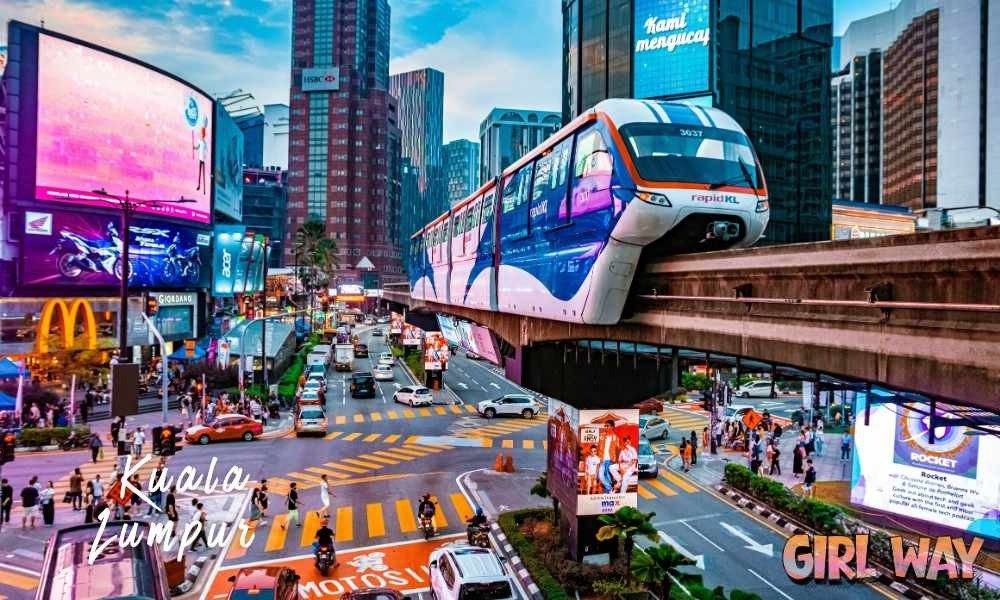
If you Google when to visit Kuala Lumpur, you will find mixed advice. Kuala Lumpur is a place you can visit year-round. Still, everyone wants slightly different things from a trip.
Because it is a tropical destination, the weather in KL is never fully reliable. Short showers are often expected and can happen daily. In my experience, rain is part of city life year-round.
Even during the supposed drier months, conditions can still change quickly. I went in early April, and it rained for a couple of hours. It happened every evening, usually around 5-7 pm, despite the usual theory.
Some travelers prefer winter, especially December-January, when days feel a bit cooler. Others choose the Summer months, mainly July-September, for the driest stretch. Both options can work, depending on your travel timing.
The local climate follows a warm tropical climate with regular rainfall. That means seasonal weather matters less than your comfort with heat. You just need to expect some evening rain in this lively destination.
For me, the best visiting season depends on your plans. If you want fewer showers, aim for the best time to visit during drier weeks. But with smart planning, Kuala Lumpur works well in any season.
Getting Around Kuala Lumpur
For most visitors, the Grab app works better now than Uber in Kuala Lumpur. The rides are usually cheap, easy to book, and very useful. I used them often when moving between busy areas.
Cars arrive fast, but not always during rush hour or when raining. At times of high demand, leaving at a specific time matters more. I usually add an extra 10 minutes for possible wait time.
The metro system is also a smart way to get around. KTM, MRT, and LRT cover many areas through different lines. I found them both affordable and efficient for daily plans.
For first-time visitors, Google Maps is the easiest guide to follow. It helps with public transport, station changes, and timing across the city. This makes the full rail network much less confusing.
For overall city travel, mixing trains and ride apps works best. It makes commuting, navigation, and daily urban mobility feel simple. With several transport options, getting around the city stays easy.
What to Pack for Kuala Lumpur
In Malaysia, where over 60% Muslim people shape the population, dressing modestly is considered respectful. The city is quite tolerant, but modest clothing helps you avoid unwanted looks or attract attention. I found this especially useful in public places and local neighborhoods.
When visiting temples, it is best to follow local rules carefully. I always wear a light shawl to cover my shoulders when needed. It is a simple item, but very helpful for comfort and respect.
Some smarter restaurants and rooftop bars also have dress codes. A few places clearly say no caps and no sandals at entry. Because of that, I usually pack a nicer outfit for evenings.
The weather changes fast, so a rain jacket or umbrella helps. I also carry mosquito repellent, especially for outdoor walks after sunset. These small items quickly became part of my regular bag.
For charging devices, check the sockets before leaving the UK or elsewhere. If you are travelling internationally, bring the right adapters with you. Good clothing, respect for cultural norms, awareness of temple dress, and a proper restaurant dress code all count as smart travel essentials.
Best KUALA LUMPUR ATTRACTIONS
1. Petronas Twin Towers at Night
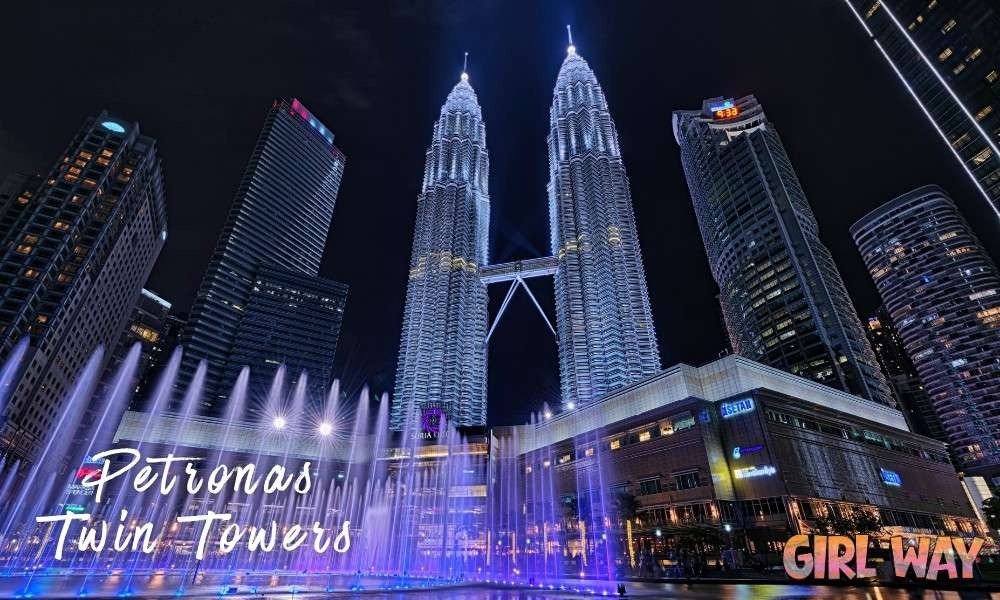
In Kuala Lumpur, the Petronas Twin Towers, also known as the KLCC Twin Towers, define Malaysia for many visitors. These iconic structures were completed in 1996 and opened to the public in 1999. Even now, they remain the city’s most recognizable attraction.
The towers rise 88 stories and reach almost 452 meters high. For years, they were the world’s tallest twin structures and a famous twin landmark. Each was also the tallest building in global rankings until 2004.
They remained the tallest in Malaysia until 2021, when Merdeka 118 was inaugurated. Still, their fame has never really faded with time. I think their shape still leads the local skyline beautifully.
The best time to visit is at night, when they light up the night sky. That is when the silver design feels most dramatic and memorable. I always suggest seeing them at least once after sunset.
Inside, the Sky Bridge links Towers 1 and 2 high above ground. It sits on the 41st and 42nd floors, where visitors can stop and admire the view. From below, you can also enjoy them for free from the outside.
The area around the towers adds even more to the city experience. The nearby fountain, green park, and Saloma Bridge make great photo spots. This part of town feels polished, open, and easy to enjoy.
You can also head up to the observation deck for a panoramic view. Buy tickets online, because they often sell out fast during busy hours. It is one landmark where the architecture, attraction, and travel value all feel worth the visit.
From above, the full city view shows why this place matters.
2. Saloma Link
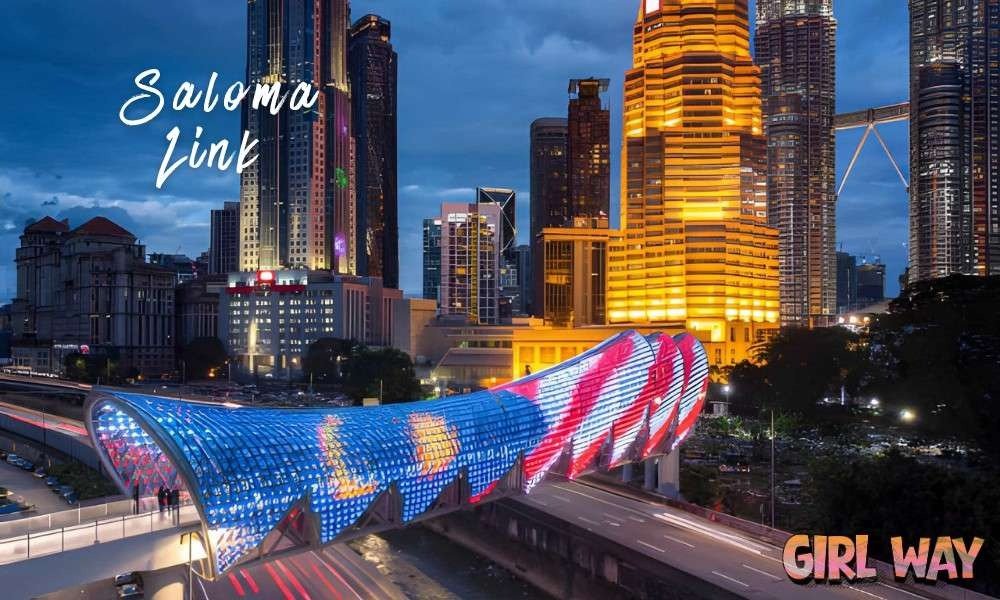
The Saloma Link Bridge sits close to the Petronas Towers, just a five-minute walk away. It stands northwest of the main KLCC area and stretches about 70 meters. The bridge connects Kampung Baru across the Klang River and the Ampang-Kuala Lumpur Elevated Highway.
It opened in February 2020 and was designed by VERITAS Design Group. Its shape was inspired by the betel nut leaf, a symbol in Malay wedding customs. That idea gives the structure a softer and more local identity.
The best time to go is at night. Then the bridge glows with colorful illuminations and a bright kaleidoscopic display. From here, the KL skyline looks especially striking in photos.
You will see both locals and tourists using it every day. It is built for pedestrians and cyclists, with smooth ramps and an elevator. That makes the crossing simple, even during busier hours.
Named after Saloma, it also sits near the Jalan Ampang Muslim Cemetery. More than a simple bridge, it feels like modern architecture with cultural meaning. For me, it is a smaller attraction that still leaves a strong impression.
3. KL Tower
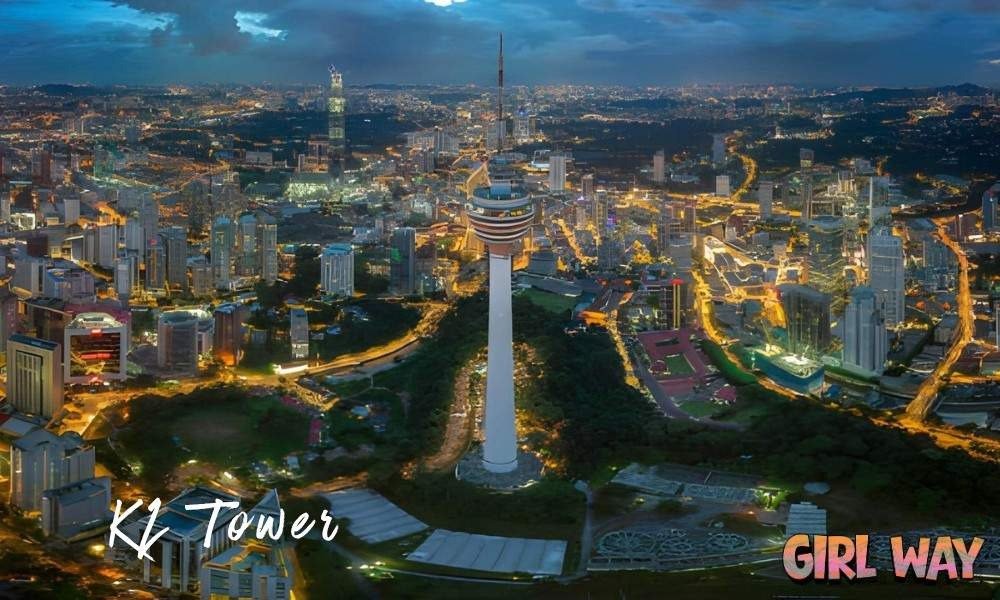
The Menara Kuala Lumpur, also called Kuala Lumpur Tower or KL Tower, is one of the city’s most recognizable landmarks. Rising to 421 meters with its antenna, this tall skyscraper still impresses from every angle. It is known as the world’s seventh-tallest telecommunications tower.
The main draw is the Sky Deck and indoor observation deck. I think the Kuala Lumpur Skyline View @ 276m is worth the stop alone. It gives a wide, memorable view of the entire city.
For a more thrilling moment, step into the Sky Box. You can also spot the old Jelutong Tree nearby, as shown above. At night, the Tower Facade Lighting and Illumination make the tower stand out.
The area has extra attractions for different kinds of visitors. Places like the Upside Down House and Sky Café add more fun nearby. For dinner, Atmosphere 360 offers rotating views with a special setting.
The tower also serves as an Islamic lunar observatory, which adds cultural meaning. It opened to the public in 1996 and remains popular today. For many visitors, it still offers the highest public viewpoint in the city.
4. Thean Hou Temple
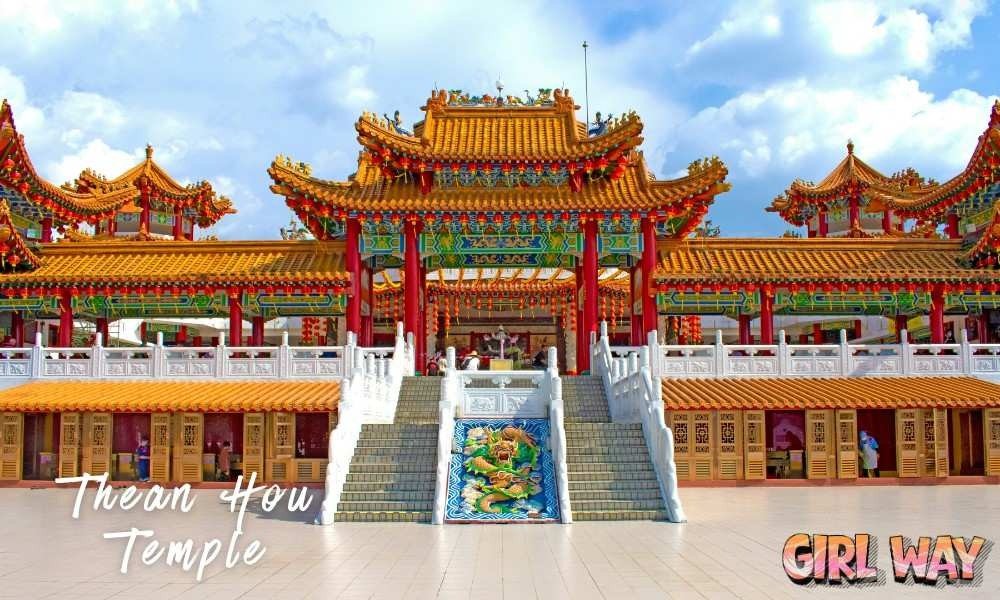
The Thean Hou Temple is one of the most striking sites in Southeast Asia. It was built by Chinese settlers from Hainan to honor Mazu. Construction began in 1987, and the temple opened in 1989.
It stands on Robson Heights near Jalan Syed Putra in the city. From here, you get a panoramic view that includes Merdeka PNB 118 and KL Tower. The whole complex covers around 6,700 square meters and feels calm above the traffic.
This six-tiered temple has a beautiful prayer hall filled with detail. Inside, you will find Guan Yin, Tian Hou, and Shui Wei Sheng Niang honored together. I noticed the red pillars first, because they stand out so clearly.
The main gate, quiet garden, large incense burner, and Guanyin fountain add even more charm. The temple is also known for hosting wedding ceremonies for many couples. In Chinese culture, the number eight or 8 is considered lucky, so dates like 28 August are especially popular.
5. Muzium Negara
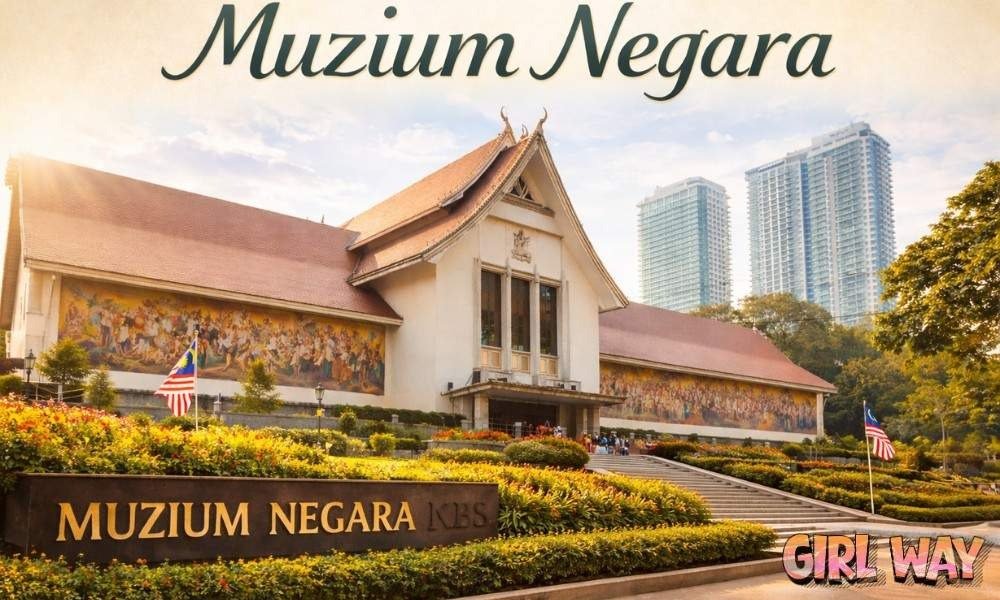
The National Museum is one of the best places to start. It takes you from prehistoric times to the present day in a clear way. I liked how quickly the story of Malaysia began to feel real.
Inside, the focus stays on history and rich cultural heritage. The museum also connects back to the 19th-century Selangor Museum, which came before it. That link gives the space a deeper and more meaningful background.
It officially opened in August 1963 and later gained added recognition in April 1996. Today, it stands as both an ancient monument and a protected historical site. That mix makes the visit feel important, not just informative.
The design reflects native Malay structures and old royal palaces in a striking way. This three-story museum feels grand, yet still easy to explore on foot. I found the exterior just as interesting as the displays inside.
There are four main galleries covering natural history, ethnology, and architecture in a simple layout. The permanent exhibits are easy to follow and never feel too heavy. For me, it was a calm stop that added real context to the city.
Exploring KL City Centre
1. Petaling Street
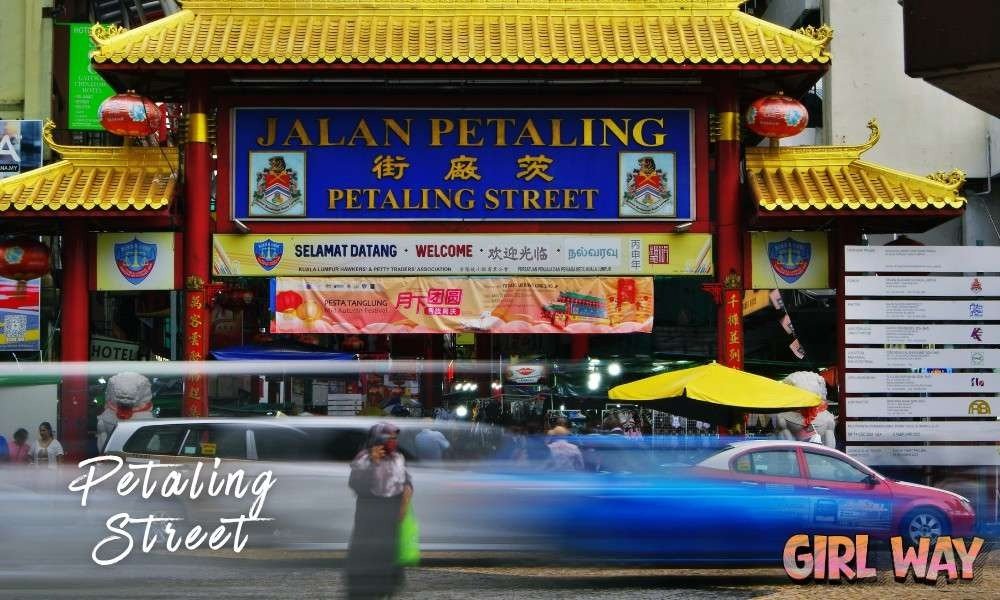
Petaling Street is a lively heritage site in Kuala Lumpur. It sits in the busy Chinatown district and stretches about 800 meters. The area runs between Leboh Pasar Besar, Jalan Yap Ah Loy, and Bulatan Merdeka.
This famous covered market grew from old Chinese businesses selling many kinds of goods. Some stalls are known for counterfeit products, though that is only part of the story. I found the real charm in the noise, colors, and energy around me.
Both locals and tourists fill the lane from morning to night. The mix of bustling shops, street food, and dining places keeps the mood lively. As a pedestrian shopping strip, it feels easy to explore on foot.
At one end, the Green Dragon entrance and bright Chinese arches stand out. One section runs about 300 meters between Jalan Tun Tan Cheng Lock and Jalan Sultan. Those details make the street feel more iconic and easy to remember.
Nearby, you can also visit Guan Di Temple and Sri Maha Mariamman Temple. I liked how these places added depth beyond shopping alone. The whole area feels layered, historic, and full of daily life.
2. Lorong Panggung
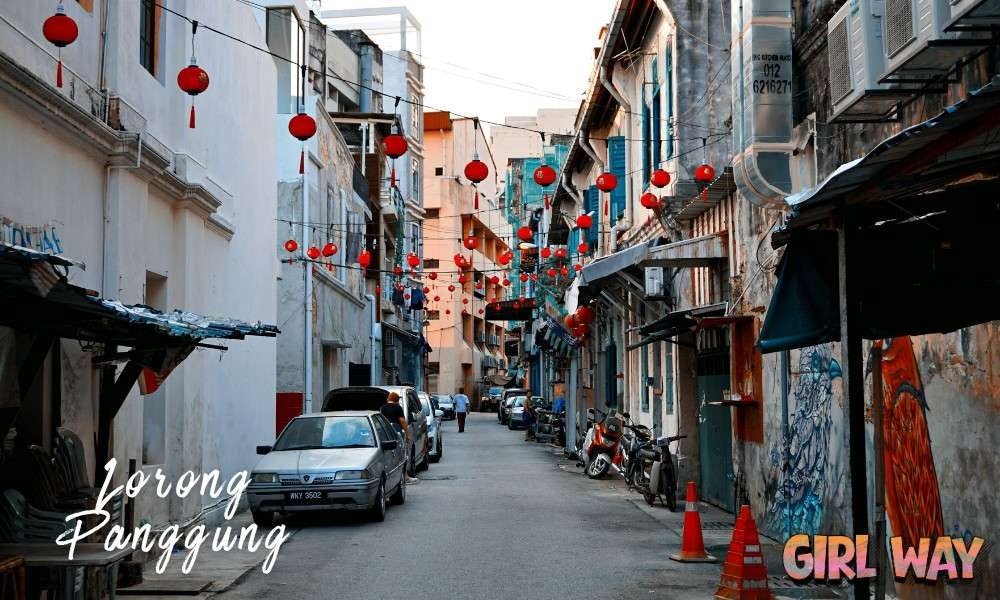
Lorong Panggung sits near Kwai Chai Hong, a lively alleyway full of charm. It is known for colorful street murals and beautifully restored shophouses. These picture-worthy tourist attractions show a different side of Kuala Lumpur.
The area reopened to the public in 2019 after careful work. The project was led by Bai Chuan Management and involved 10 shophouses. Of those, six face Jalan Petaling, while four reflect the spirit of the 1960s.
Today, this part of KL Chinatown feels like a living heritage space. It mixes old design with new restaurants and cozy house cafes. I liked how easy it was to slow down and enjoy the details.
One favorite stop is Bunn Choon Restaurant, which dates back to 1893. It is well known for egg tarts and other warm pastries. I tried them fresh, and they were worth the short wait.
Another great stop is Pandan Republic, known for Hakka lei cha and pounded tea. It also serves pandan gula Melaka cheesecake and smooth pandan soft serve. The menu feels creative without losing local flavor.
For sweets, Beryl’s Chocolate and Cafe at Lot 18 is easy to enjoy. This Malaysian favorite is a trusted chocolate brand with giftable treats. I noticed the dragées, egg-shaped chocolates, almonds, and raisins right away.
3. Pasar Seni
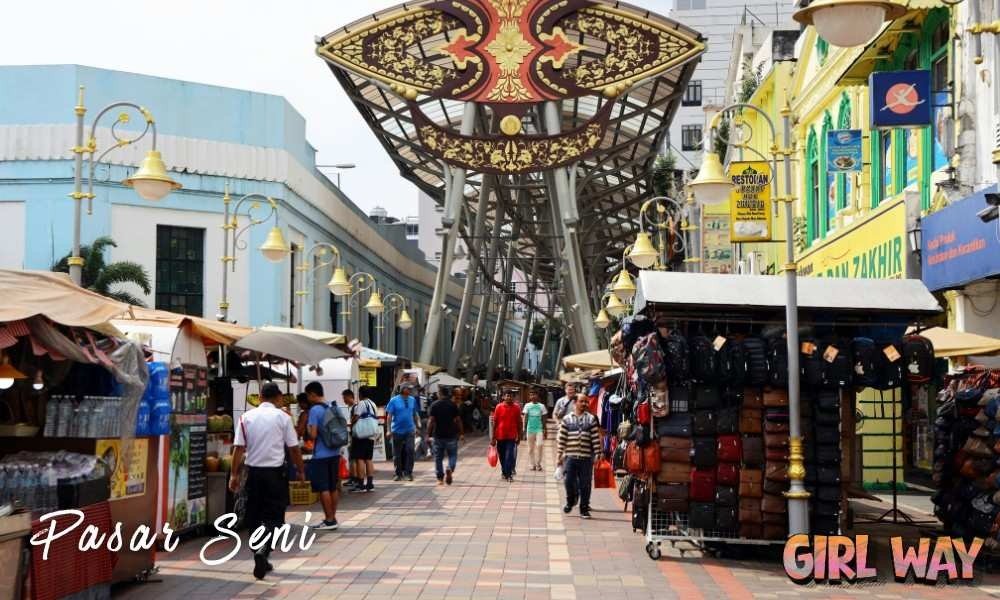
Pasar Seni, also called Central Market, began in 1888 as a wet market. Today, it stands as a lively home of Malaysian culture in the city. I liked how history and daily life still meet here.
The building was saved with support from the Malaysian Heritage Society. It was officially named a Heritage Site in 1973, which protected its future. Its soft Art Deco style still gives the place real character.
Inside, you will find about 300 shops across the main building and annex building. Katsuri Walk adds even more color, with stalls selling souvenirs, handicrafts, and collectibles. It is an easy place to browse without feeling rushed.
You can also shop for Malaysian Batik, textiles, and local clothes in one visit. The food court is a good stop for local delicacies after walking around. I always enjoy places where shopping and food sit side by side.
The market also supports art through art galleries and works by local artists. Stops like the Illusion 3D Art Museum, Art House Gallery, and Central Market Art Lane add more variety. You can even watch parts of the Batik design up close.
The area is framed by Jalan Tun Tan Cheng Lock, Foch Avenue, Jalan Hang Kasturi, and Rodger Street. It also sits near Petaling Street, only five minutes away on foot. That makes it easy to pair both stops in one walk.
4. Merdeka PNB 118
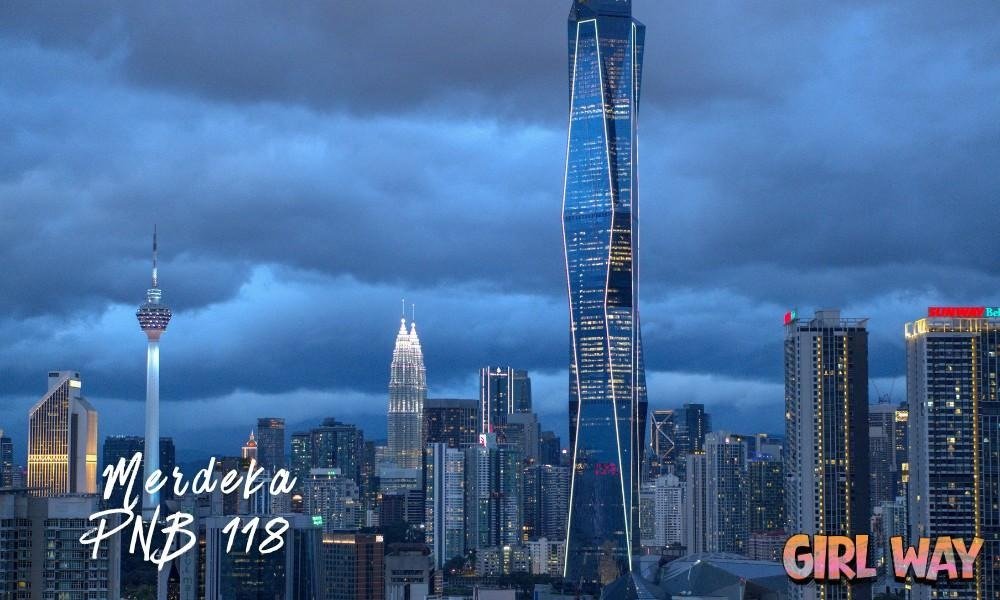
Merdeka PNB 118 has quickly changed the look of Malaysia and Southeast Asia. Since mid-2022, it has stood boldly over the Kuala Lumpur skyline. At 679 meters, this 118-story skyscraper feels almost unreal in person.
It now rises higher than the Petronas Towers and ranks as the second-tallest in the world after the Burj Khalifa. Its name honors independence and the moment when Tunku Abdul Rahman spoke in August 1957. That history gives the tower more meaning than height alone.
The building also includes office spaces, shopping centers, hotel accommodations, residences, and stylish dining places. I like that it is not only a landmark, but part of daily city life. It feels modern, but still tied to national memory.
A major highlight is The View at 118, set on floors 115 and 116 Mezzanine. This will be the highest observation deck in the country and a huge draw. Even from below, the tower already commands attention from every angle.
Its location also keeps you close to key attractions. Nearby, you have Stadium Merdeka, Stadium Negara, Central Market, Bukit Bintang, Chinatown, and Petaling Street. That makes it easy to fit into a wider day of exploring.
5. Sultan Abdul Samad Building
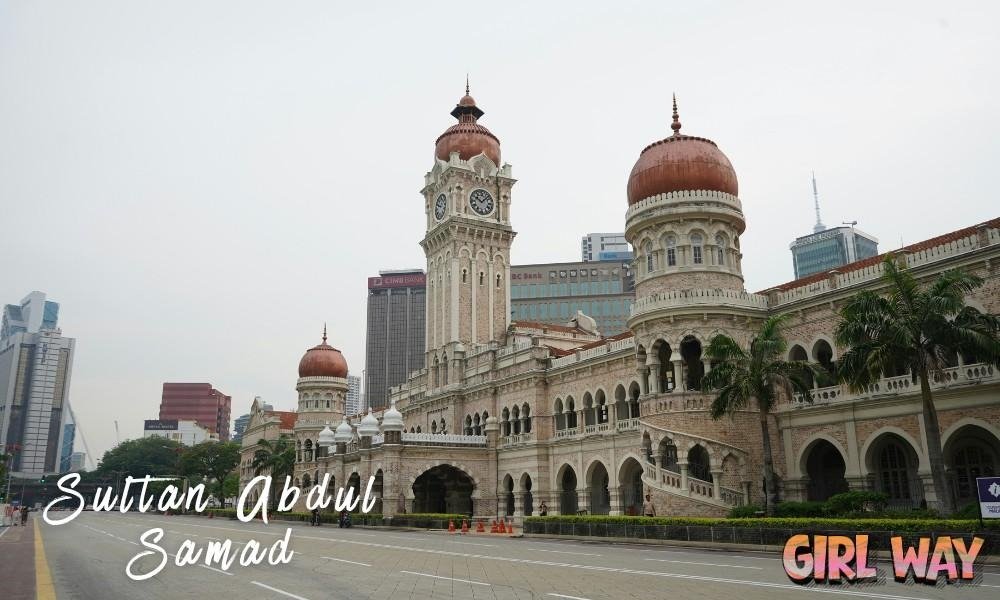
The Sultan Abdul Samad Building first served as the Government Offices in 1897. It was built for the British colonial administration and the Federal Secretariat of Selangor. Today, it still stands with quiet pride beside the city’s busiest historic space.
It faces Dataran Merdeka, also known as Independence Square, in central Kuala Lumpur. Later, it housed the Ministry of Communications and Multimedia and the Ministry of Tourism and Culture in Malaysia. That long public role gives the building a strong civic presence.
The name honors the 4th Sultan of Selangor, and it became especially symbolic after 1974. What struck me most was its elegant Moorish architecture and balanced design. It feels less like an office block and more like a true heritage structure.
Set along Jalan Raja, the building stretches about 400 feet across the square. Its glowing copper domes and tall clock tower make it easy to recognize. Even with newer towers nearby, it still holds your attention.
6. Merdeka Square
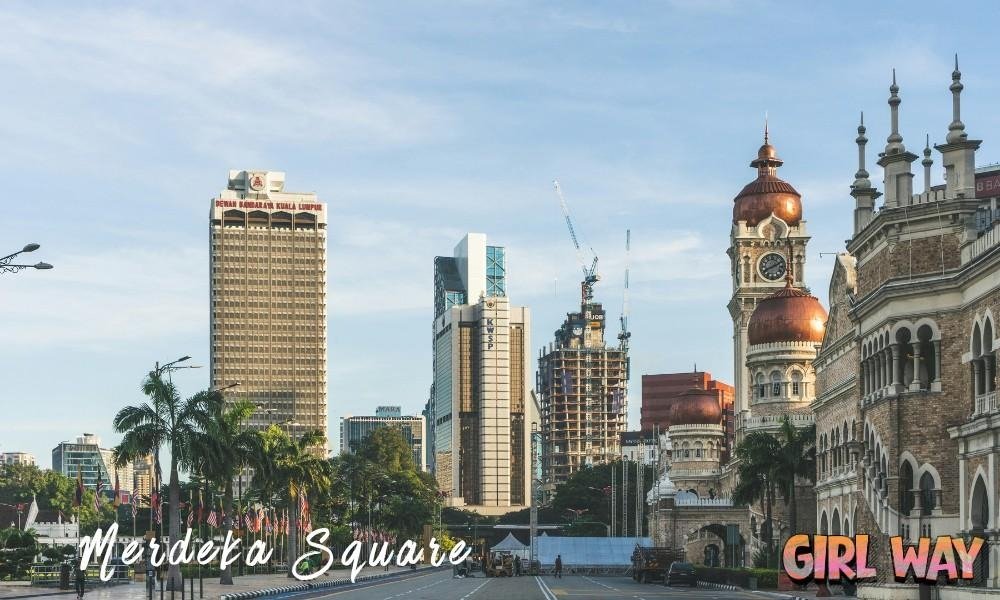
Merdeka Square, also known as Independence Square, began as the Padang. It was once a public multi-purpose field used for many gatherings. Over time, it hosted national events, civic events, cricket, and rugby matches.
The site holds deep meaning in the story of the nation. Here, the Malaysian flag replaced the Malayan flag at the end of British rule in August 1957. That moment still gives the square a powerful sense of pride.
The first Independence Day Parade was also held here in October 1989. Today, many people still call the area Dataran Merdeka in daily speech. I found it one of the few places where history feels open and visible.
One major highlight is the 95-meter flagpole, which dominates the square. Nearby, you can also see Cop’s Fountain and the Kilometer Zero marker in Kuala Lumpur. These smaller details make the area more interesting to explore on foot.
The square is framed by the Sultan Abdul Samad Building, Kuala Lumpur City Gallery, St. Mary’s Anglican Cathedral, and the Royal Selangor Club. You will also spot the I ❤️ KL sign, which draws many tourists. It is an easy photo spot, but it also feels much more meaningful than that.
7. Masjid Jamek & River of Life
Masjid Jamek, also called Jamek Mosque, opened in 1909 and remains one of the oldest landmarks in the capital. It stands where the Klang River meets the Gombak River in central Kuala Lumpur. I liked how the setting instantly made the place feel historic.
This elegant Moorish-style structure sits near Leboh Pasar Besar, close to the city’s original heart. The mosque rises above the old muddy confluence that shaped early trade and settlement. That location gives the site meaning far beyond its beauty.
Right beside it, the River of Life has changed the whole riverfront. This urban restoration project by the government helped clean parts of Sungai Klang and refresh the area. Today, the walkway feels far more inviting than many expect.
You will also see colorful murals and painted river scenes along nearby sections. The best time to come is at night, when the water glows with blue illumination. That softer light gives the area a very different mood.
There is also a fountain show that runs every 20-30 minutes with changing visual displays. I found it a surprisingly calm stop after a busy afternoon nearby. It is one of those places where history and modern design meet well.
KL Food Trip
A food stop in Kuala Lumpur starts with rich Malaysian flavors everywhere. The country’s geographical location shaped its food through trade and movement. Over time, trade linked it closely with many Southeast Asian neighbors.
The menu also reflects years of foreign occupations and outside influence. That is why you can find Western dishes and familiar fast food almost anywhere. Still, the real joy lies in the city’s local cuisine and traditional favorites.
Much of that flavor comes from the mix of Malays, Chinese, and Indians. You also see strong food influences from Middle Eastern, Indonesian, Thai, Singaporean, and Filipino communities. These different ethnic groups have helped shape the city’s everyday food culture.
I noticed this most at casual stalls and busy food streets. One meal can move from spice to sweetness in minutes. That variety is what makes eating here feel exciting every single time.
1. Lot 10 Hutong
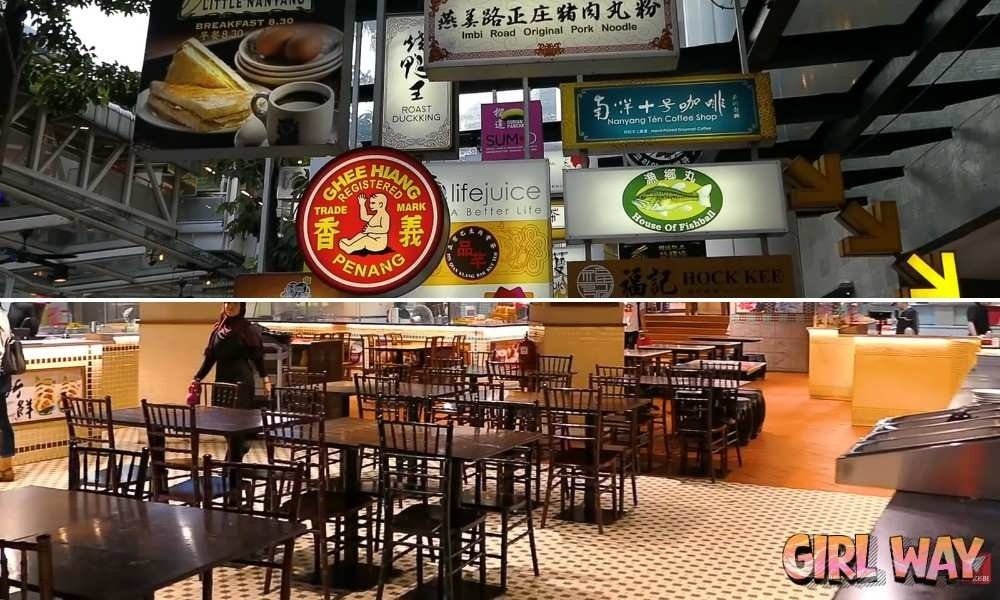
Lot 10 Hutong is a great stop for a street food crawl in Kuala Lumpur. Inside the mall, this lower-level food court brings together famous old-school hawker stalls. I liked how it felt busy, local, and easy to explore.
It is also a Platinum Award-winning heritage food village with strong local appeal. Both locals and tourists come here for trusted names under one roof. That makes it a simple place to sample many dishes in one visit.
A good place to begin is Secret Penang Cafe with Penang Duck Egg Fried Kuey Teow. Then move to Ho Weng Kee for BBQ Pork Wantan Noodle or Kim Lian Kee for Signature Hokkien Mee. Each stall has its own loyal following for a reason.
For snacks, Kei Mei Siew Bao is known for its Pork Siew Bao, which sells quickly. If you want something cold, try Ais Kacang, also called ABC, which reminds some people of the Philippines’ halo-halo. I found that mix of savory and sweet especially fun in one sitting.
2. Jalan Alor
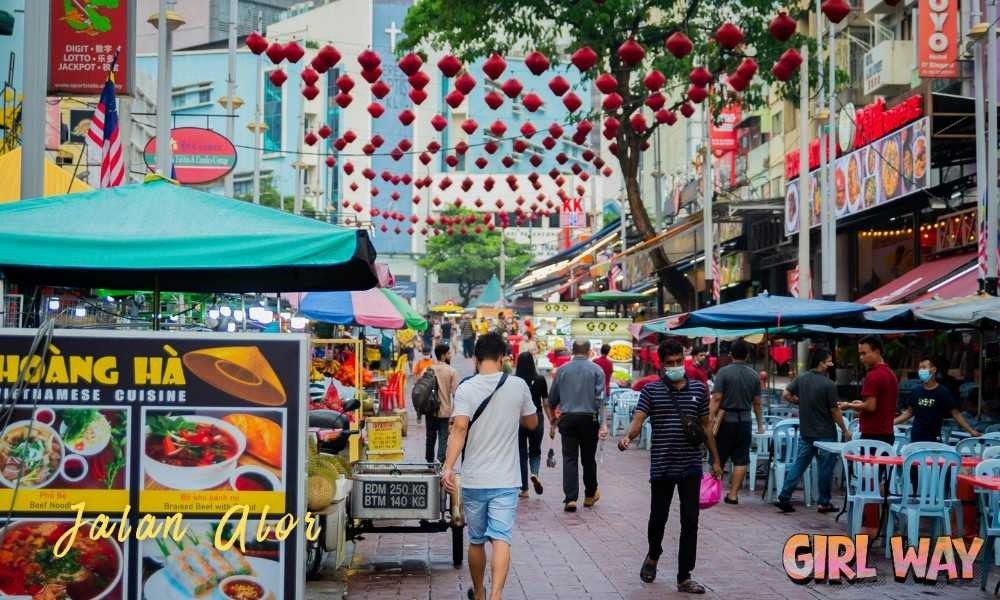
Jalan Alor is one of the busiest food lanes in Bukit Bintang. It has become a top street food destination with rows of open-air eateries and small food kiosks. I liked how the energy builds the moment you step in.
The food mix is broad and easy to enjoy. You will find Chinese, Malaysian, Indian, Thai, and Vietnamese dishes on one street. Popular choices include char kway teow, laksa, satay, and cold cendol.
The street stays active from daytime until well past midnight. Many tourists come for the noise, lights, and smoky aroma hanging in the air. Even a short walk here feels full of movement and flavor.
It also sits close to Lot 10 Hutong, only five minutes away on foot. That makes it easy to pair both stops in one evening. Just watch for passing vehicles, because the street can get tight and busy.
3. Kampung Bahru
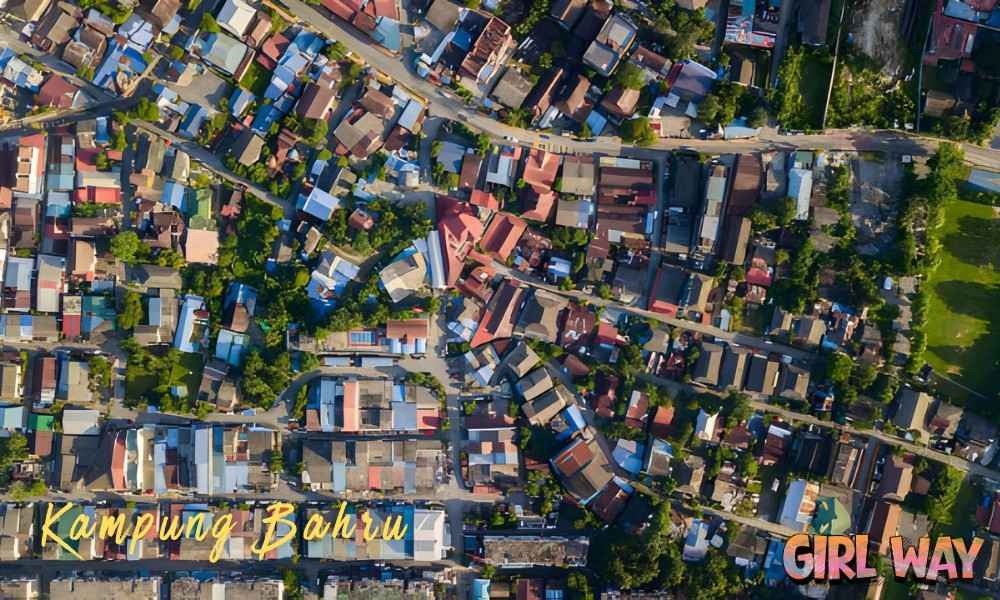
Kampung Bahru, also called Kampung Baru, feels worlds apart from Jalan Alor. While both are loved by locals, this area has quieter foodie hotspots and deeper roots. I liked how the skyline of the Petronas Towers still rises nearby.
This historic neighborhood preserves a strong sense of Malay culture in central Kuala Lumpur. It dates back to the early 20th century and still shows older ways of living. Walking here feels slower, even with the city close around it.
You will still see traditional Malay wooden houses raised on concrete stilts. Patches of greenery soften the view beside the modern central business district. That contrast is what makes the area feel so memorable.
Even with ongoing redevelopment plans, the neighborhood keeps its distinct character. Around Jalan Raja Muda Musa, you will find many local eateries and busy food stalls. They serve authentic Malay fare that feels honest, filling, and affordable.
4. Chocolate Factories
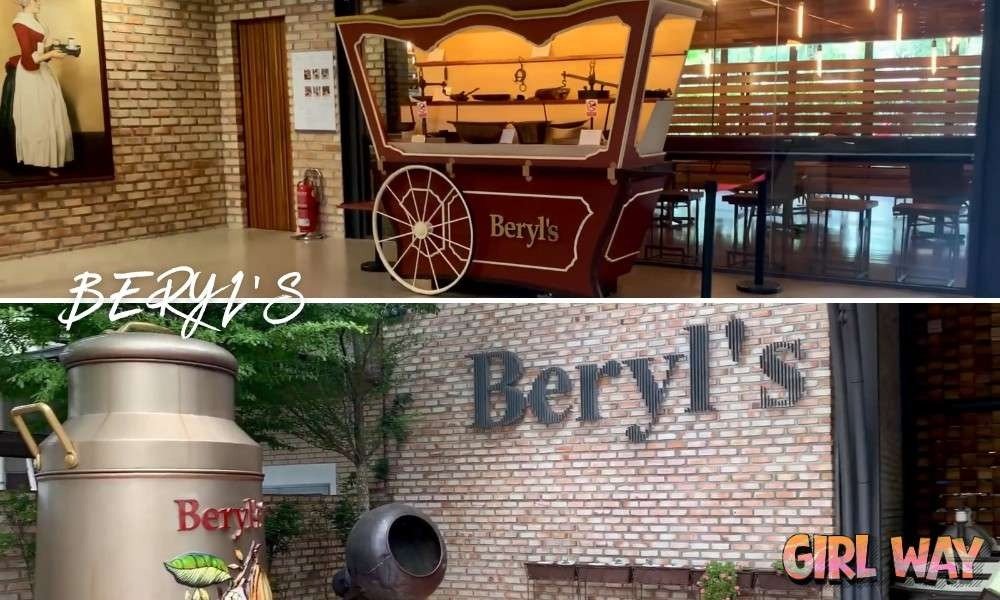
In Malaysia, chocolate lovers have more to enjoy than expected. The country ranks sixth in the world in terms of the largest cocoa bean processing and grinding centers. That strong cocoa base surprised me when I first looked deeper.
According to the Ministry of Plantation Industries and Commodities, or MPIC, the sector matters greatly. It brought around one billion to the national GDP in 2020 and 2021. Those numbers show how serious chocolate production is here.
The Malaysian Cocoa Board has also supported steady industry growth. Today, there are about 50 chocolate and confectionery companies and over 200 chocolate entrepreneurs. That scale helps explain the wide choice across the city.
You can try many kinds of export-quality chocolates during your visit. Shops often sell dark chocolate, milk chocolate, white chocolate, and single-origin chocolate. I also enjoyed tasting fresh handmade chocolates and other cocoa-based products.
Popular names include:
- Beryl’s Chocolate
- Chocolate Concierge
- Harriston Chocolatier.
- Love 18ºC Chocolate
- Cocova
- Benns Ethicoa
- Cocoraw
Some places even offer factory tours inside a working chocolate factory setting. These stops are often included in larger city tour packages around Kuala Lumpur. For me, they add a sweet break between the city’s bigger landmarks.
5. Restoran Minmax
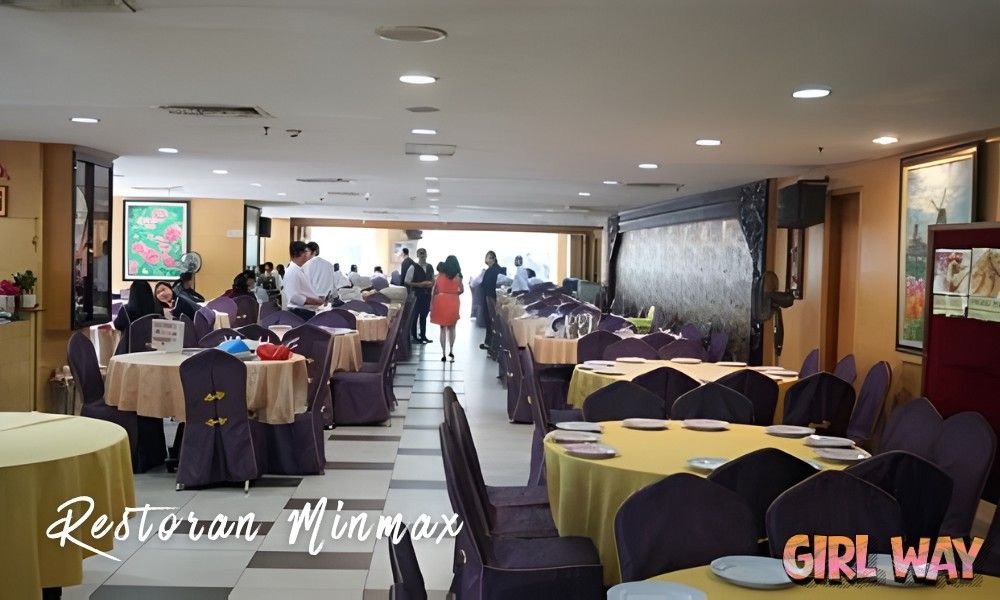
Restoran Minmax is a well-known Halal Chinese restaurant in Kuala Lumpur. It is a good place for dim sum and family-style meals. I liked how the food felt classic, filling, and easy to share.
The restaurant sits on the second level of the Darby Park Hotel. It is smart to reserve a table before arriving during peak hours. The place can get busy, especially at the time of lunch and dinner.
The menu covers many comforting favorites in one sitting. You can order fried rice, omelet, crispy fish, mixed veggies, and prawns. There are also dishes with pork, chicken, and warm soup for variety.
Some plates come with sweet and sour sauce, which adds a familiar touch. More unusual bites include crispy salted egg chicken skin and crispy fried breaded mushrooms. I found those two especially fun when sharing with a group.
6. Restoran Rebung
Restoran Rebung is a popular halal restaurant connected to Dato Chef Ismail Ahmad. This celebrity chef, often called Malaysia’s best chef, is also a Malaysian Tourism Ambassador. I liked how the place felt welcoming from the first step inside.
The menu focuses on authentic Malaysian cuisine served through a generous buffet setup. You can move from starters to main dishes, then desserts and drinks, without rushing. It is a good place to try many traditional Malaysian dishes in one meal.
The interior adds charm with century-old pieces of furniture and touches of an ancestral house. That design creates a warm, homey atmosphere that feels more personal than formal. I found it easy to settle in and stay longer.
It works well for both lunch and dinner, depending on your plans. There is also a breakfast buffet on weekends, especially Saturday and Sunday. That makes it a useful stop at different times of the day.
Kuala Lumpur Day Trips
1. Genting Highlands
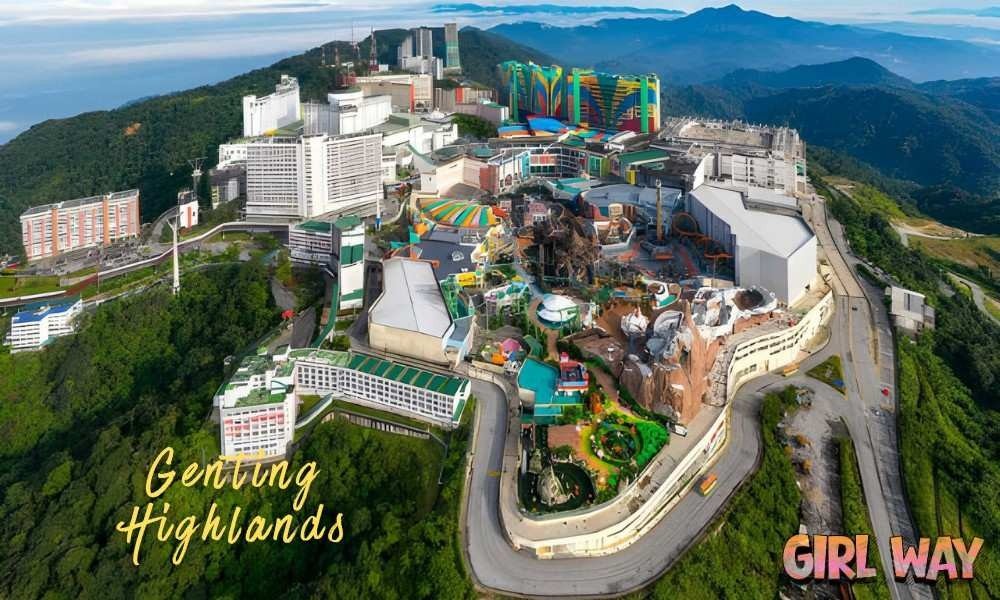
Genting Highlands began in 1965 through the vision of Lim Goh Tong in Malaysia. It sits on Mount Ulu Kali, about 1,800 meters above sea level. From the start, it was planned as an integrated resort with a full leisure experience.
Today, both locals and tourists head there to escape the city heat. In summer, the higher ground brings a much cooler climate than Kuala Lumpur. That fresh air reminded me a little of the Cameron Highlands.
The resort area lies in Pahang State and has remained popular through 2022 and beyond. Under Resorts World Genting, it has grown into a major weekend destination from Kuala Lumpur. The trip feels easy, but the change in mood is big.
There are many accommodations, bright entertainment centers, and busy theme parks across the highlands. That mix makes it work for families, couples, and groups of friends. I liked how it felt lively without losing the mountain setting.
Genting is also a popular shopping destination where you can find great deals at:
- Genting Highlands Premium Outlets
- SkyAvenue Complex
- Awana SkyCentral
- First World Complex
- Genting Grand Complex
Awana SkyWay
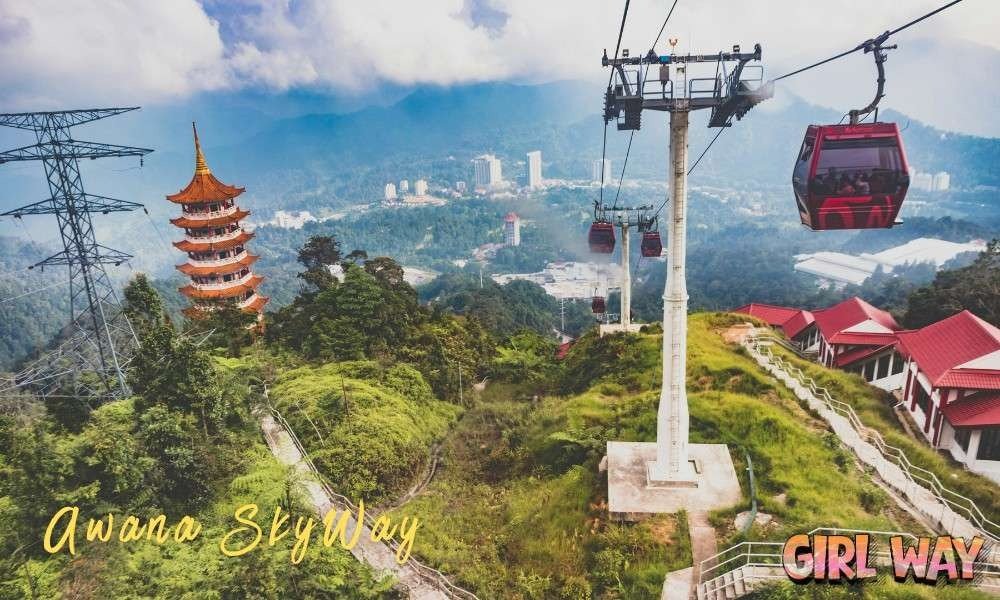
The ride from Awana Station to SkyAvenue Station is one of the highlights. This modern cable car also stops at Chin Swee Station near the Chin Swee Caves Temple. The full ride takes about 10 minutes, which feels short but memorable.
Before going up, I always check ticket rates and route details first. The temple stop can be a free stop, depending on your ticket type. That makes the full travel duration to Genting Highlands feel even more worthwhile.
On a clear day, the views open up beautifully across the hills. You get wide mountain scenery and a calm aerial view over the forest below. It is also a fun way to approach Genting SkyWorlds from above.
On foggy days, the ride feels different, but still special. The mist around the gondola gives everything a softer mood. I liked that even small details, like the USB slot for phone charging, made the trip easier.
Genting Skyworlds and Skytropolis
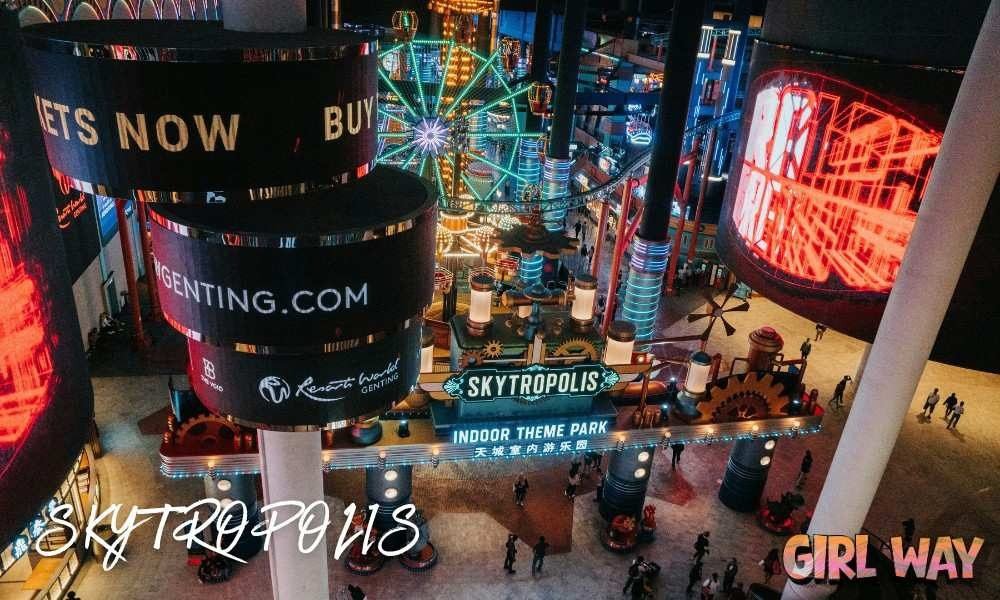
Genting Skyworlds is one of the biggest new attractions in Malaysia. It opened in February 2022 as a large theme park spread across 26 acres. The space feels wide, lively, and easy to enjoy for hours.
The park is divided into nine themed zones with different moods and rides. These include Studio Plaza, Eagle Mountain, Central Park, Rio, Ice Age, Epic, Robots Rivet Town, Liberty Lane, and Andromeda Base. I liked how each area felt distinct without being confusing.
Across the park, there are 26 rides, family-friendly attractions, casual food joints, and useful retail shops. That mix keeps the day moving without long, dull breaks. It works well whether you want thrills or a slower visit.
Nearby, Skytropolis offers a very different but equally fun experience. This indoor theme park sits inside First World Plaza and covers 400,000 square feet. It is a smart option when the weather turns cold or wet.
Inside, you will find around 20 rides for different age groups. There is also an indoor zipline, plus Ripley’s Adventureland, BigTop Video Games Park, and Genting Bowl. I found it a good place to keep the day going after the outdoor park.
2. Batu Caves
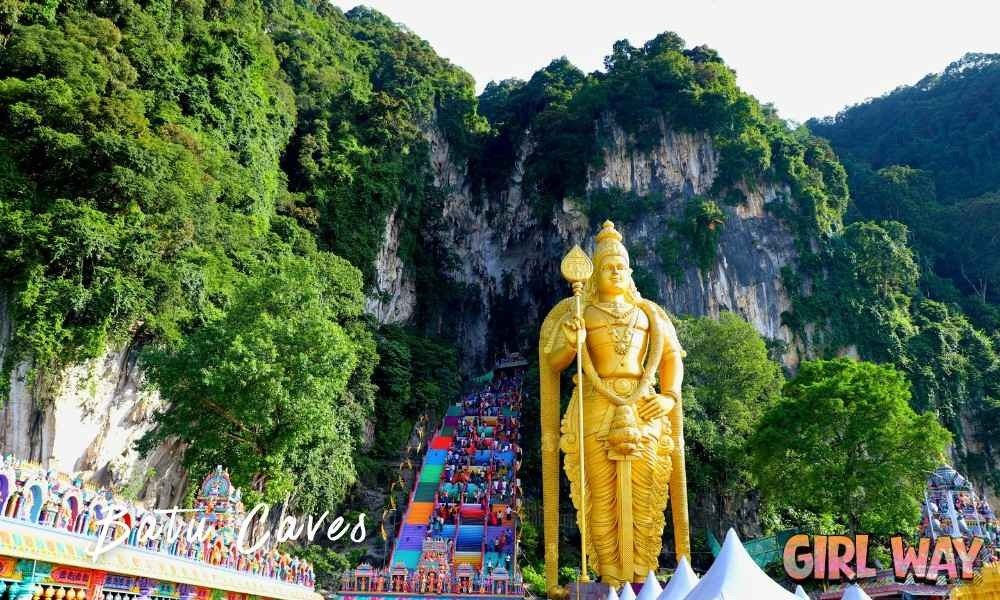
Batu Caves is one of the most striking sights near Kuala Lumpur. This prehistoric limestone hill in Malaysia is also a major sacred Hindu site. I felt its scale before I even reached the entrance.
The main cave is known as Temple Cave, also called Cathedral Cave. Inside, you will find several Hindu shrines set within the huge rock space. The mix of nature and worship makes the visit feel special.
The famous 272-step Rainbow Staircase adds even more drama to the climb. Its bright colors were introduced in August 2018, after plans from June 2017. That change gave the site an even more colorful appearance in travel photos.
At the base, the giant statue of Lord Murugan immediately draws your eye. It is one of those landmarks that feels more impressive in person. I found the whole entrance area full of energy and movement.
You will also notice many long-tailed macaques, often called monkeys, around the staircase area. They may look playful, but they are still wild and sometimes territorial. Keep your belongings close, and stay aware of other visitors nearby.
3. Sunway Lagoon
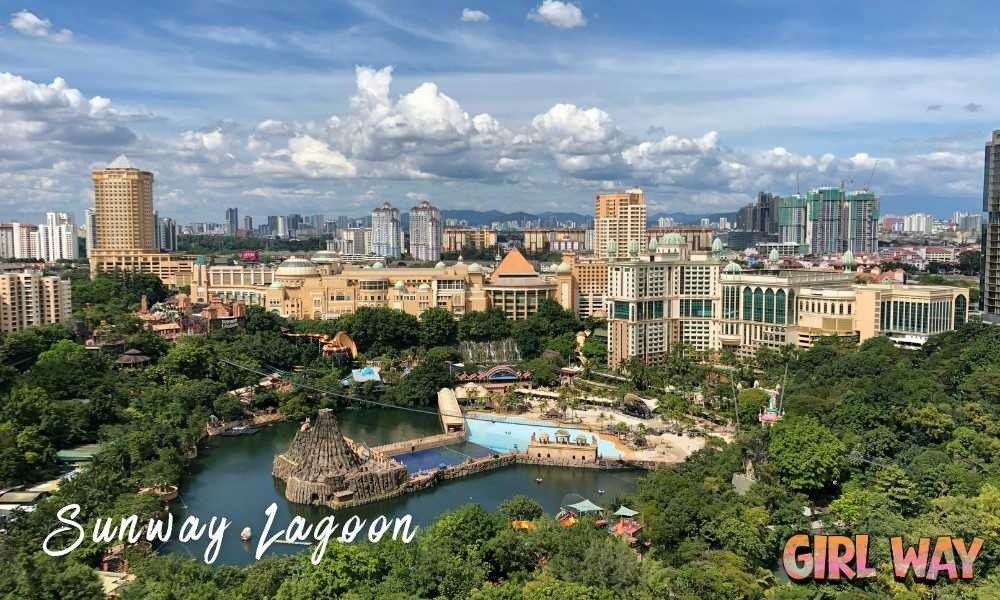
Sunway Lagoon is one of the biggest day trips from Kuala Lumpur. It sits in Petaling Jaya, Selangor, and covers an 88-acre leisure park. I liked how everything felt packed into one lively place.
There are around 90 attractions spread across six zones for all ages. These include the Amusement Park, Wildlife Park, Scream Park, Extreme Park, Water Park, and Lost Lagoon. That variety makes the day feel full from start to finish.
One standout is the Nickelodeon-themed attraction, which was a first for Asia. The area mixes cartoon fun with bigger rides and water play. It is easy to see why families stay longer than planned.
What makes the place even easier is everything around it. A shopping mall, theme park, and hotel sit close together for extra convenience. That setup works well for family members with different interests.
Discover some of the most iconic and thrilling rides and attractions:
- Grand Canyon River Rapids
- Pirate’s Revenge
- Scream Park
- Vuvuzela: the World’s Largest Vortex Ride
- Surf Beach: the World’s Largest Surf Pool
- FlowRider
- Monsoon 360
- G-Force X: Asia’s Highest Slingshot Ride
- 428-M Pedestrian Suspension Bridge: Malaysia’s longest Suspension Bridge
There are also many dining options if you need a break between rides. Some visitors even stay overnight in glamping tents at Explorer’s Campsite. Others choose the nearby Sunway Resort Hotel & Spa for more comfort.
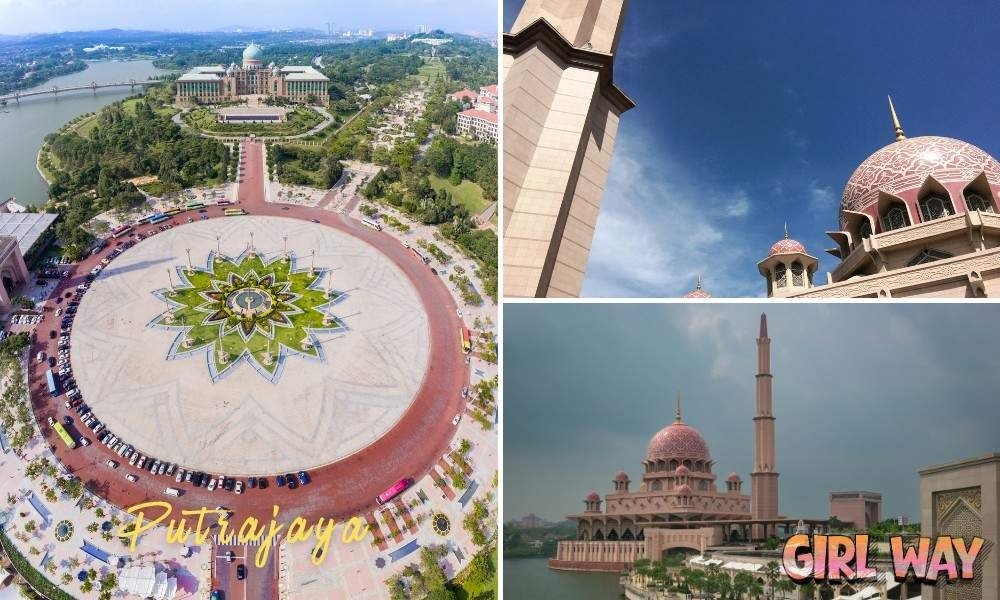
4. Putrajaya
Putrajaya was developed in Malaysia as the country’s main administrative and judicial center. While the national capital remains Kuala Lumpur, many official functions have moved away from the older core. I found that shift easy to notice the moment I arrived.
The federal government and much of the judiciary began moving here in 1999 and 2003. The goal was to help KL breathe and decongest the busy capital city. That planning gave the area a calmer and more organized feel.
Today, many government-run establishments stand here in a clean and open layout.
Explore some of the most notable structures and attractions:
- Putrajaya Government Center
- Putra Perdana
- Putra Mosque
- Iron Mosque (Tuanku Mizan Zainal Abidin Mosque)
- Istana Melawati
- Putra Bridge
- Seri Wawasan Bridge
- Putrajaya Landmark
- Millennium Monument
- Putrajaya Wetlands Park
- Putrajaya Lake
Although it was once part of Selangor, the area became a separate zone in February 2001. It is now a federal territory, alongside Labuan.
5. Malacca
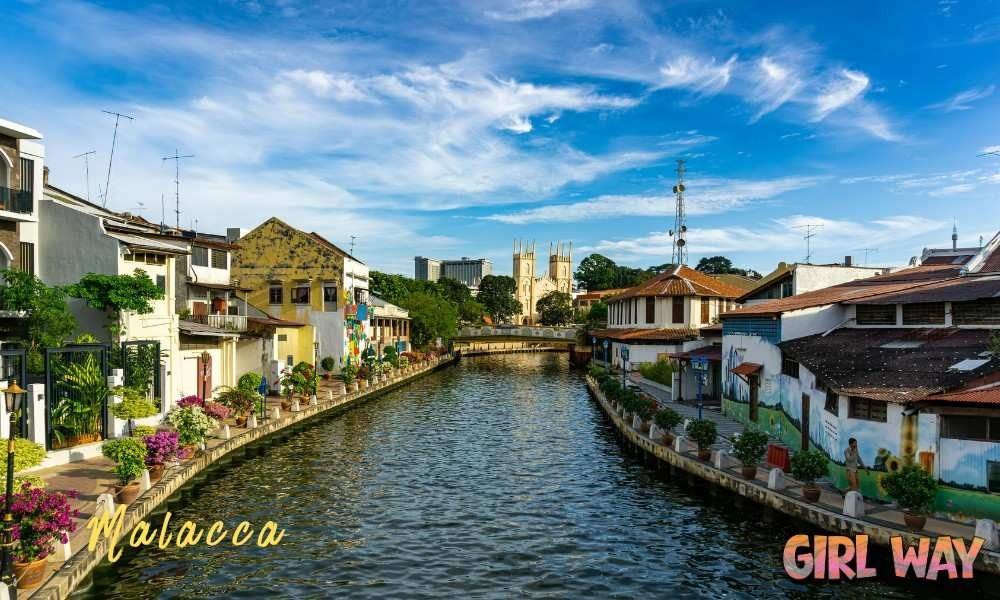
Malacca, also known as Melaka, makes an easy and rewarding side trip. This UNESCO World Heritage Site is a deeply historic city in Malaysia with layers of character. I found it slower than Kuala Lumpur, but never dull.
It remains one of the country’s best-known tourist destinations for good reason. The city reflects the legacy of the Portuguese, Dutch, and British through many long-standing structures. You can feel those different cultural influences almost everywhere you walk.
That mix has shaped a true melting pot of cultures over time. Even as a growing urban hub, the old center still protects its heritage area well. I liked how history here feels lived-in, not staged.
The Melaka River adds another calm side to the visit. Nearby, Chinatown brings color, food, and energy to the old streets. The traces of the old European settlement are still easy to notice across the city.
Best Bars in Kuala Lumpur
1. Sky51 Rooftop
Even Adam, with a real fear of heights, enjoyed this rooftop bar. The view of the iconic KL skyline makes Sky51 feel special right away. Set high inside EQ Hotel near KLCC, it feels polished but relaxed.
Before going, check the dress code and possible minimum spend rules. When I visited, it was around 100RM per person after 5pm on a Thursday. The staff kept things smooth, which added to the laidback vibe.
We ordered the devilled popcorn chicken, and it was worth trying. I would suggest booking ahead during peak times, though walk-ins sometimes still get lucky. The place feels popular without becoming too stiff or cold.
Just dress a little smarter before you arrive. Avoid hats, sandals, shorts, and open-toed shoes if you can. You do not need to look overly fancy, but neat works best.
2. Concubine
Even Adam, who has a real fear of heights, liked this stylish rooftop bar. The wide KL skyline view gives the place instant appeal after sunset. Like Sky51 at EQ Hotel near KLCC, it feels polished but easygoing.
Before you go, check the dress code and plan ahead. Expect around 100RM per person after 5 pm on a Thursday or other busy evenings. The friendly staff helps keep the whole mood relaxed from the start.
What I liked most was the laidback vibe, which never felt forced. The devilled popcorn chicken made a great snack while watching the city lights. During peak times, walk-ins may wait longer or miss out completely.
It is smart to dress neatly for the evening crowd. Avoid hats, sandals, shorts, and open-toed shoes if possible. You do not need heels or anything too fancy, but effort helps.
