

Durrës Quick Facts
A quick overview of Albania’s historic coastal city
Location
- Western Albania, Adriatic Sea coast
- 33 km west of Tirana
Population
- Around 120,000 residents
- Founded in 7th century BC
Language
- Albanian (official)
- English widely spoken in tourist areas
Currency
- Albanian Lek (ALL)
- ATMs available, cash preferred in small shops
Accommodation
- Budget: $20–$40
- Mid-range: $50–$80
- Luxury: $100–$150
Best Time to Visit
- Perfect: September-October, April-May
- Summer: crowded but good for beaches
- Winter: quiet, fewer activities
Planning Your Durrës Trip
Planning your Durrës trip begins with discovering its stunning beaches, rich history, and lively coastal vibe. The best time to visit Durrës is from late spring to early autumn, offering perfect weather for both sightseeing and beach relaxation.
Build a simple Durrës itinerary by exploring top spots like the ancient amphitheater, Venetian Tower, and vibrant promenade. Stay near the coast, enjoy local Albanian cuisine, and follow smart travel tips to make the most of your trip.
How Many Days Do You Need in Durrës?
One day covers the main attractions quite well. You can visit the Roman amphitheater, Venetian Tower, and waterfront. However, you will feel rushed throughout the day.
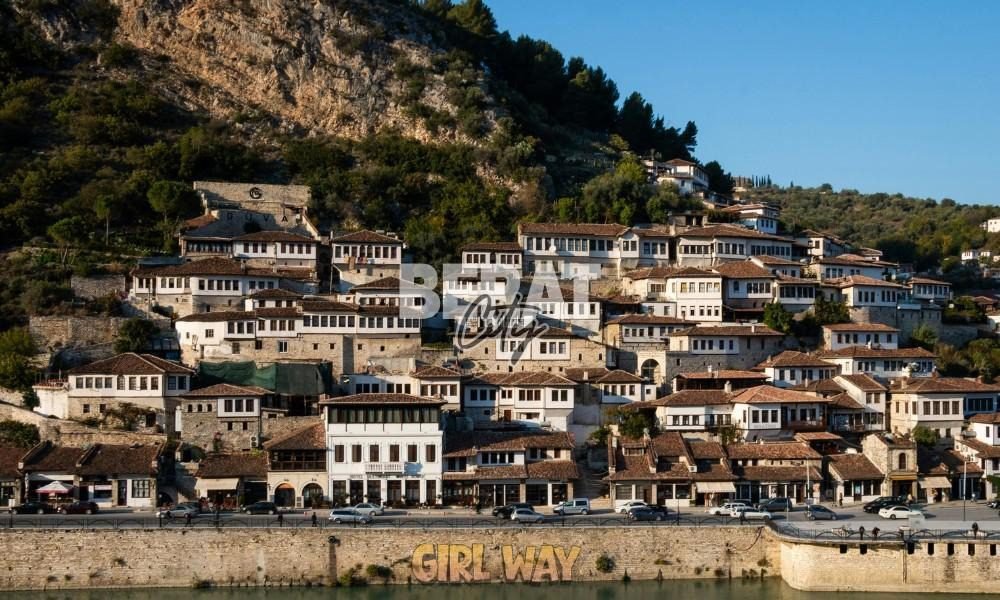
Two to three days is the ideal timeframe. This allows beach time, historical exploration, and day trips. You can visit Cape of Rodon or Berat comfortably. Four to five days suits those wanting complete relaxation.
When to Visit Durrës (Best Time & Weather)
Durrës works as a year-round destination, though each season offers a distinctly different experience. Understanding the climate and tourist crowds helps you plan the perfect Albania trip.
Best Time to Visit Durrës:
The absolute best times to visit Durrës are spring and autumn, particularly the months of May and September. These periods offer the ideal balance of pleasant weather, manageable crowds, and excellent conditions for both sightseeing and beach activities.
- September to October: Warm Mediterranean weather, fewer summer crowds, ideal for beach swimming and sightseeing. Temperatures range from 20 to 28°C (68 to 82°F), and September stands out as the single best month overall.
- May (spring season) delivers often excellent weather perfect for exploring ancient ruins. Mild spring weather, quieter beaches, and lower accommodation prices make it ideal for cultural tourism.
- June weather is often excellent for sightseeing, though it can get hot in the second half of the month. The sea is still a little cool for some swimmers, so it’s better suited for historical exploration.
- July to August: The best months for beach holidays, with peak summer temperatures reaching 30-35°C (85-95°F). The Adriatic coast fills with Albanian tourists and Italian visitors, making beaches crowded but perfect for water activities.
- November to March: Quiet winter months with budget-friendly prices and open historical sites. Beach activities are limited, but ideal for cultural tourism and off-season travel.
Month-by-Month Weather Guide:
The coastal city enjoys a Mediterranean climate with hot, dry summers and mild winters. Sea temperatures gradually warm through spring, remaining slightly cool in early June.
They peak in July and August, making these months perfect for water activities and extended beach time. Rain is most common from November through February, though it rarely disrupts travel plans.
What to Pack:
Light, breathable clothing for summer visits, layers for spring and fall travel, and warmer jackets for winter exploration.
Comfortable walking shoes are essential for navigating cobblestone streets and ancient sites throughout the old town. If visiting in June, consider bringing a light sweater for cooler sea breezes.
🗺️ Durrës Travel Map
Your complete travel guide to Durrës, Albania
Durrës Travel Costs & Budget
Durrës ranks among Europe’s most budget-friendly coastal cities, offering exceptional value for travelers. Your daily spending depends on travel style and season, with costs rising significantly during peak summer months.
Daily Budget by Travel Style:
- Budget Travelers: $40–55 per day, hostels or guesthouses, local eateries, public buses, and free attractions. Perfect for backpackers seeking authentic experiences without breaking the bank.
- Mid-Range Travelers: $80–120 per day, comfortable hotels, waterfront dining, a mix of transport options, and all major sites. Ideal balance of comfort and value for most visitors.
- Luxury Travelers: $150–250+ per day, beachfront hotels, fine dining experiences, private transport, and premium services. Complete comfort with no compromises on quality or convenience.
Key Costs in Durrës (2026):
Accommodation per night:
- Hostel bed: $18–25
- Budget hotel: $30–50
- Mid-range hotel: $60–90
- Luxury beachfront: $120–180
Food & Dining:
- Coffee: $0.60–1.50
- Street food/fast food: $4–8
- Local restaurant meal: $8–12
- Mid-range restaurant: $15–25
- Fine dining: $35–50+
- Local beer: $1.50–3
- Groceries (daily basics): $6–10
Transportation:
- City bus: $0.50
- Taxi across city: $3–7
- Bus to Tirana: $2–3
- Day trip buses: $4–8
- Car rental: $25–40/day
Attractions:
- Roman Amphitheatre: $3
- Venetian Tower: $8
- Museums: $5–10
- Beach (free access)
- Sunbeds: $8–15/day
Money-Saving Tips:
Visit during shoulder season (May, September-October) to save 30–40% on accommodation. Use Albanian leks instead of euros for better exchange rates.
Walk the compact city center to avoid transport costs. Eat at local spots away from tourist areas for authentic meals at half the price. Book summer accommodation 2–3 months ahead for best rates.
| Category | Budget | Mid-Range | Luxury |
| Accommodation | $20-40 | $50-80 | $100-150 |
| Meals | $10-15 | $25-35 | $50+ |
| Attractions | $5-10 | $10-15 | $15-20 |
| Total/Day | $35-65 | $85-130 | $165+ |
Understanding Durrës
First Impressions
Durrës is the second-biggest city in Albania. It sits right on the Adriatic Sea, and that alone makes it a pretty location worth stopping for.
I was enchanted the first time I stepped into the Old Town. It gives you an immediate glimpse into a layered and complicated past.
Historic buildings from Roman times, the Ottoman Era, and the Communist Regime all stand within the same small area. These varied buildings make the city center unlike anything else along this coastline.
Visitors who travel to Durrës often come for the beaches. During summertime, though, the coast gets crowded, and parts of it feel overdeveloped.
That is the most common complaint among tourists and beach-goers alike. September is a much better time to visit; it’s quieter, cooler, and far more relaxed.
Every solid guide to Albania eventually lands on Durrës. The city earns its place on the map for reasons that go well beyond its shore.
The Layered History of Durrës
Durrës is one of the oldest cities in the Balkans. It was founded in the 7th century BC and carried several ancient names through the ages.
The Greeks first called it Epidamnos. The Romans renamed it Dyrrhachion and shaped it into a major trading post along the Adriatic Sea.
Its location made it a natural hub for both trade and power. It became a key port and a military stronghold that every empire wanted to hold.
The Byzantines, Venetians, and Ottomans each ruled this ancient city in turn. These distinct influences are still visible in its architecture, culture, buildings, and streets.
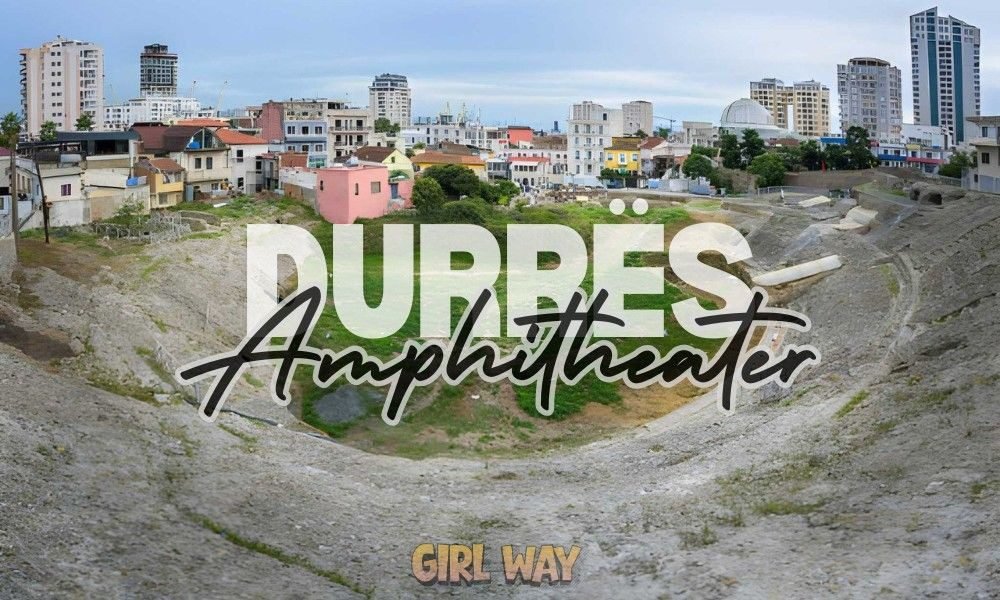
I walked through this historic place and felt the weight of real history immediately. The Durres Amphitheater is among the most impressive ancient ruins anywhere in the region.
The Byzantine Forum is another significant stop that most tours include. Both sites deserve far more time than a quick glance allows.
Roman Catholics found their footing here when the Venetians held control of the city. Their presence shaped local culture in ways that even the Ottomans could not fully erase.
The 20th century brought the hardest chapters to this busy port city. The Italians launched Italian occupation first, then the Germans followed with German occupation through World War II.
After the war, communist rule sealed Albania off from the wider world. The museums and crumbling ruins scattered across the city quietly carry the weight of that modern history.
Today, Durrës is a lively place where beach life sits alongside ancient layers. Its streets hold real energy and an unmistakable sense of a very long past.
Where to Stay in Durrës
Choosing where to stay in Durrës depends on whether you prefer a city experience or a beach holiday. The main areas include the city centre, ideal for culture and easy access to landmarks, and the coastal zones, where you’ll find everything from budget stays to luxury beachfront hotels.
For the best experience, pick your location based on your travel style: stay in central Durrës for history and walkable attractions, head to Golem Beach for lively nightlife and long sandy shores, or choose Lalzi Bay for a quieter, family-friendly atmosphere with modern resorts.
Best Neighborhoods in Durrës
The Durrës city centre suits culture lovers and first-time visitors. It offers access to historical sites and local restaurants.
Golem Beach Durrës is popular for long sandy beaches and lively nightlife. It has many hotels, cafes, and seaside resorts.
Lalzi Bay Durrës offers a quiet and family-friendly atmosphere. It is known for cleaner beaches and modern resorts.
Best Hotels by Budget
Budget Hotels ($20–50)
You can find cheap hotels in Durrës and small guesthouses. They offer basic comfort and good locations near the city or beach.
Mid-Range Hotels ($50–100)
Mid-range Durrës hotels provide comfort and good value. Many include breakfast and easy beach access.
Luxury Hotels ($100+)
Luxury Durrës beach resorts offer pools, spas, and sea views. They are ideal for a relaxing coastal holiday.
Alternative Stays (Agroturizëm Gjepali)
Stay at Agroturizëm Gjepali Durrës for a unique experience. It offers traditional Albanian food and a peaceful countryside setting.
What to Do in Durrës
Exploring what to do in Durrës combines history, beaches, and coastal views. The city offers a mix of ancient landmarks, seaside walks, and relaxed Adriatic vibes. Most attractions are close, making it easy to explore in one trip.
One-Day Itinerary in Durrës
A single day in Durrës is enough to enjoy its mix of history and seaside charm without feeling rushed. The city is compact, so you can easily move between landmarks and the coast.
Morning: Discover the Old City
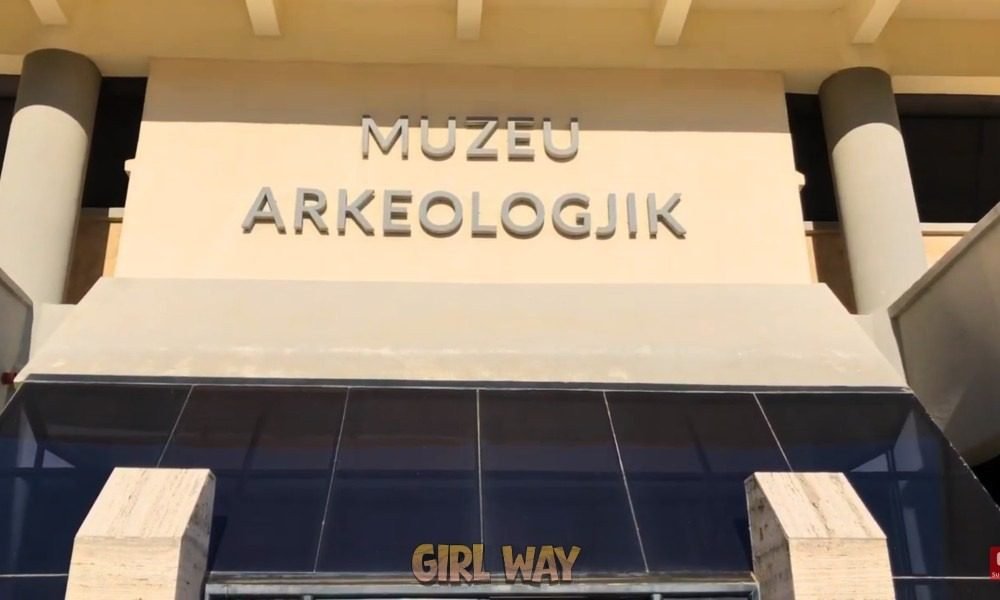
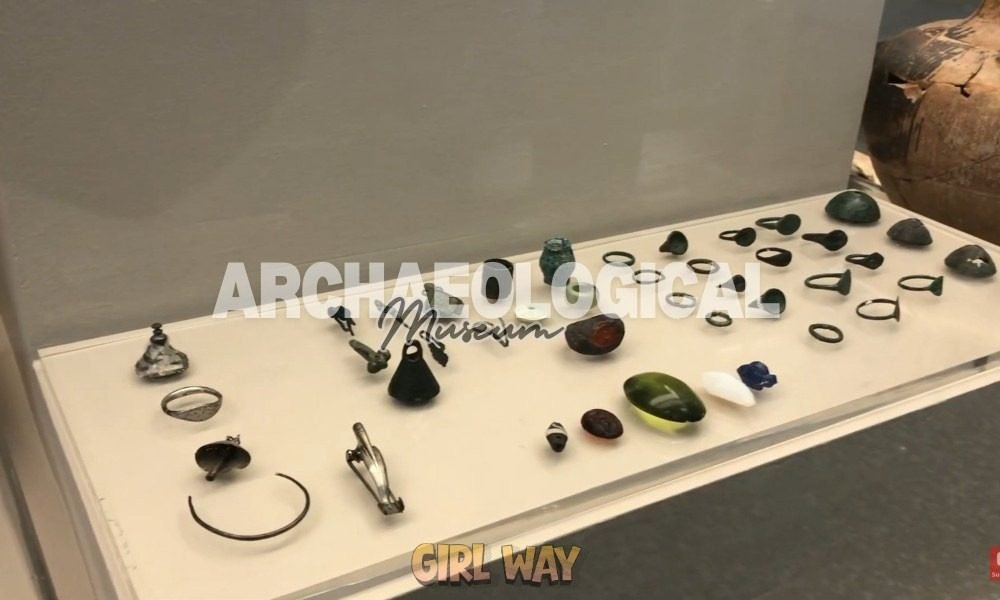
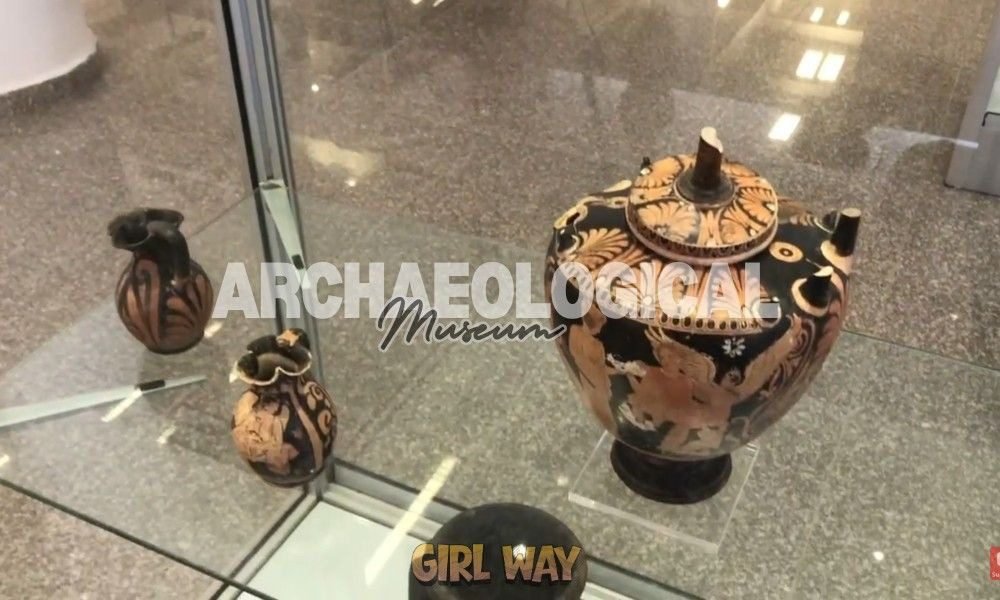
Begin your day at the famous Durrës Amphitheatre, a massive Roman structure hidden among modern buildings. After exploring, head to the Durrës Archaeological Museum to understand the city’s rich ancient history through artifacts.
Afternoon: Walk & Relax
Take a slow walk through the city centre and stop by the Venetian Tower of Durrës, a reminder of the city’s medieval past. Enjoy a relaxed lunch at a local spot and soak in the everyday atmosphere.
Evening: Beach & Sunset
Wrap up your day at Durrës Beach. Walk along the promenade, sit by the shore, and watch the sunset over the Adriatic Sea for a peaceful end to your trip.
Travel Tips
- Start early to explore major spots in a calm environment.
- Wear comfortable shoes for walking.
- Carry some cash for small cafes.
- Stay hydrated during the day.
- Visit the beach in the evening for a cooler and relaxing vibe.
Top Attractions
Morning Coffee and the Venetian Tower in Durrës
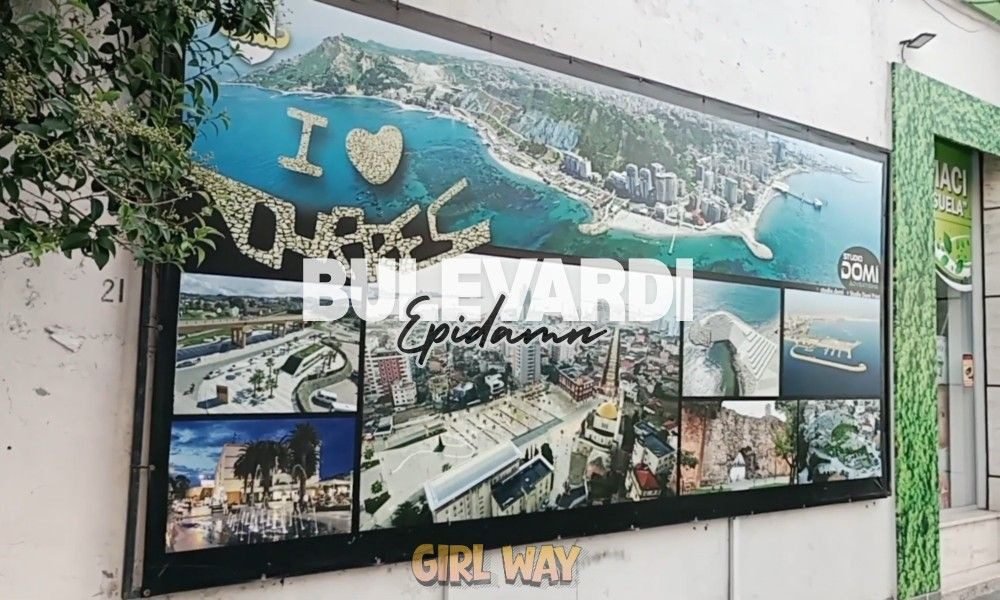
The southern end of Bulevardi Epidamn is where mornings in Durrës feel most relaxed. This shopping boulevard is lined with bars and cafés that open early and fill up quickly.
A solid choice is the café at Hotel Bizant, which sits nearby with calm and comfortable seating. From its terrace, you get pleasant views overlooking Veliera Square and the movement of the street below.
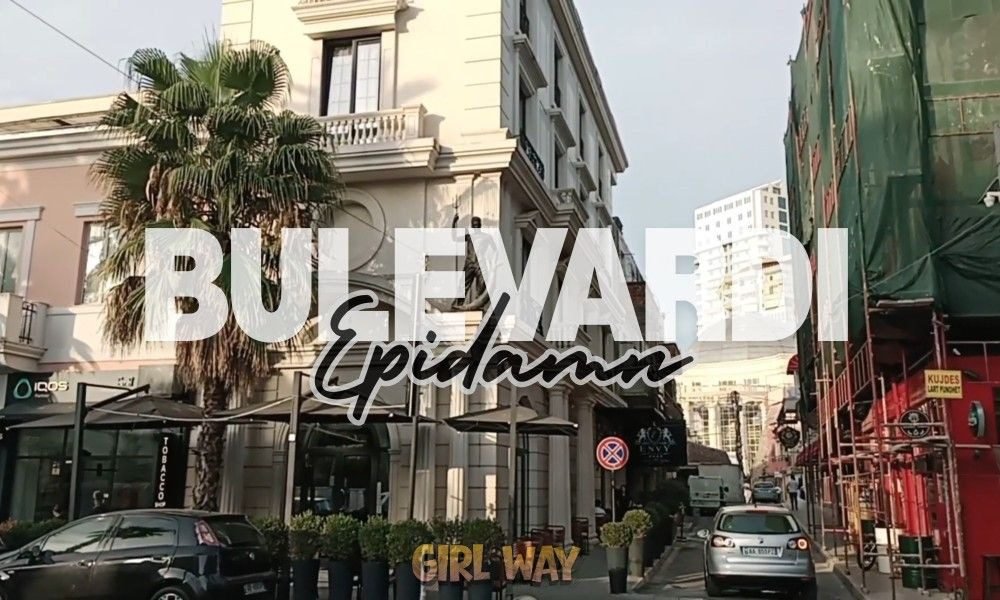
After breakfast, head straight to the Venetian Tower. This 5th-century historic tower stands at the edge of the square and is easy to spot.
It now works as a visitor’s center dedicated to local history and culture. Inside, the experience is genuinely interactive and more engaging than I expected.
The multimedia art installation and VR goggles bring the layers of this city to life in a fresh way. It is a smart and modern use of a very old space.
The price to enter is 800 Lek, which some visitors feel is a little steep. That said, the view from the top at 15 meters above Albania‘s busy streets makes it worth the climb.
Walking the City Walls and the Fatih Mosque
The city walls of Durrës are one of the most quietly impressive sights in the old city. They were built in the 5th century under Emperor Anastasius I, who was actually born in Durrës himself.
At their peak, the walls stretched across a wide perimeter around the city. What remains today is still enough to give you a strong sense of the original scale.
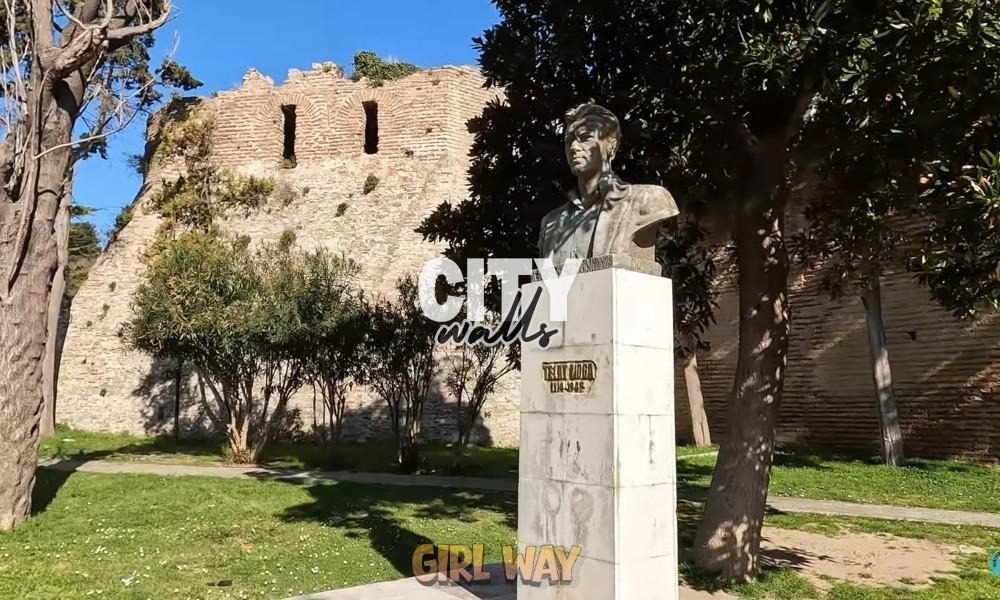
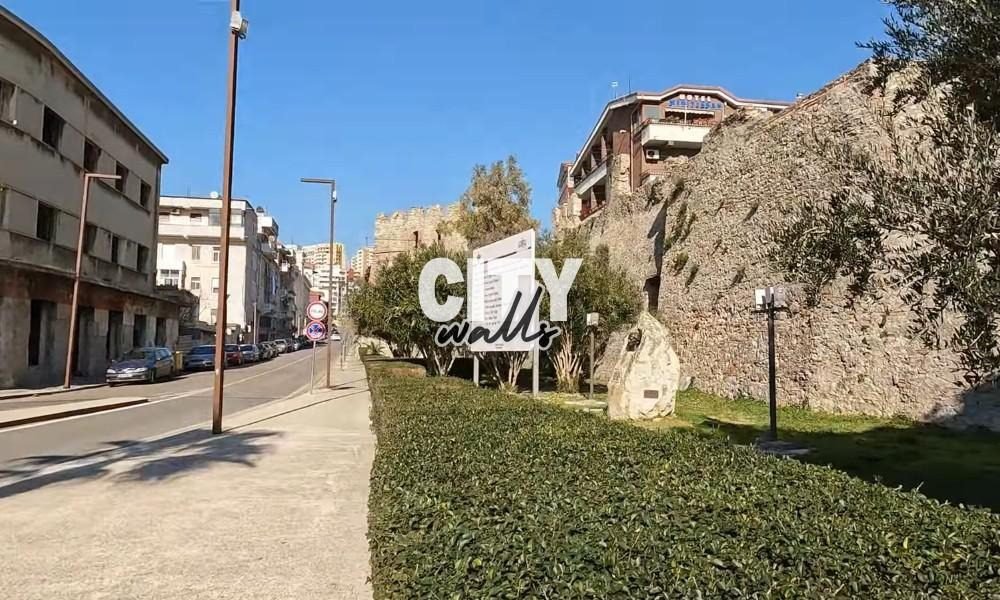
The western wall runs along Rruga Anastas Durrsaku toward the Venetian Tower in the north-west. Walking this stretch feels like piecing together a slow and satisfying jigsaw puzzle of different periods.
You can clearly spot the difference between original stones and the restored sections added later. That contrast makes the historic fabric of the wall even more interesting to read as you walk.
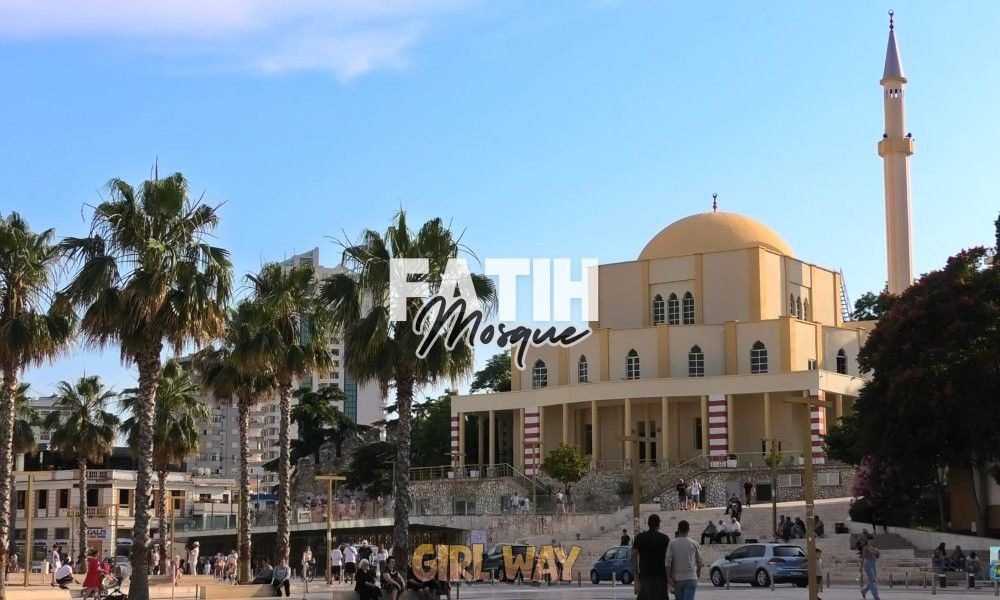
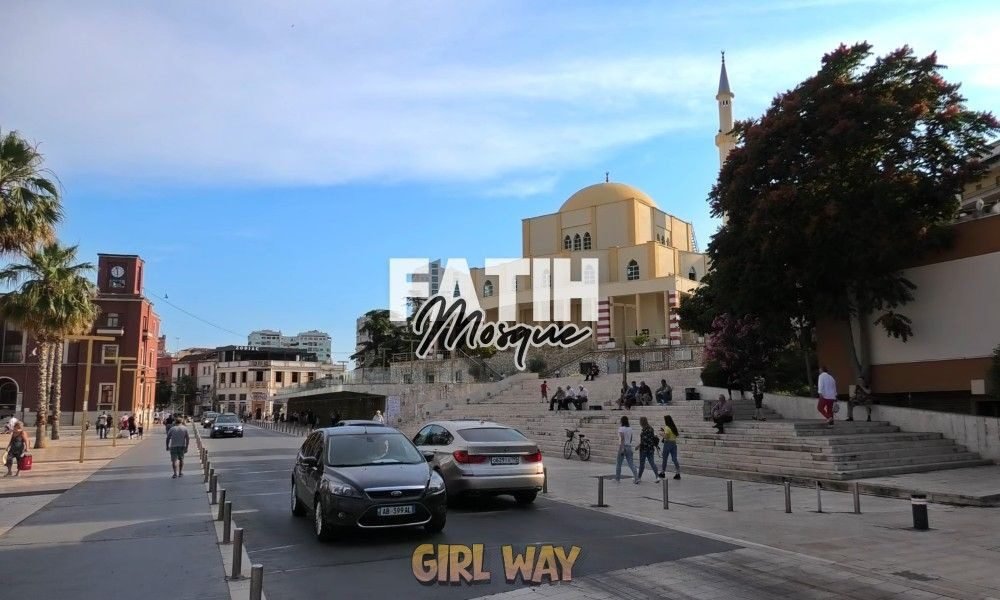
I found the Fatih Mosque just a short distance away, sitting calmly within the old city. It is a modest but genuinely decorated structure with strong Ottoman character.
The mihrab, or prayer niche, stands at the front and is the most refined detail inside. The doorways are also worth slowing down for before you move on.
Inside the Old Hammam Art Centre
Just off Boulevardi Epidamn, the Old Hammam sits tucked between modern shops in a way that almost makes you walk past it. It is a tiny but genuinely interesting stop that rewards a closer look.
This Ottoman-era bathhouse has been transformed into a working art center. The original architecture has been kept largely intact, which gives the space a strong and unmistakable character.
The entrance is free, which makes it an easy addition to any walk through the area. I stepped in without much expectation and came out far more impressed than I had planned.
Inside, rotating exhibitions from local artists fill the rooms with fresh and ever-changing work. Each visit can offer something different depending on when you arrive.
The information signs placed throughout add real context to the space and its layered past. Some include recorded conversations that play like medieval gossip brought quietly back to life.
It is a fun idea that works well in practice. The mix of old architecture and contemporary art creates an atmosphere that feels both grounded and alive.
Exploring the Roman Amphitheatre in Durrës
The Roman Amphitheatre sits just a few minutes north of Boulevardi Epidamn. It is the most impressive of all the ancient sites in Albania and deserves a proper visit.
Built in the 2nd century AD, it once held up to 15,000 people. The scale becomes clear the moment you step down into the stone terraces and look across the space.
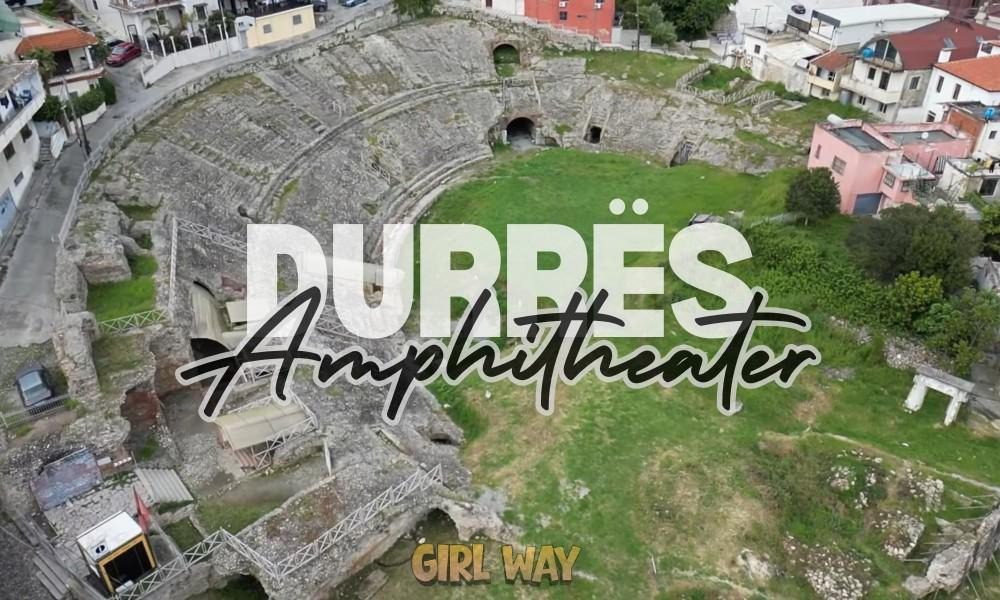
I had explored several Roman sites before, but this one felt different. The layers here go far deeper than a typical amphitheater, both literally and historically.
The tunnels and cells beneath the seating area have been excavated and are open to walk through. They give you a strong sense of the underlying structure that once supported such large crowds.
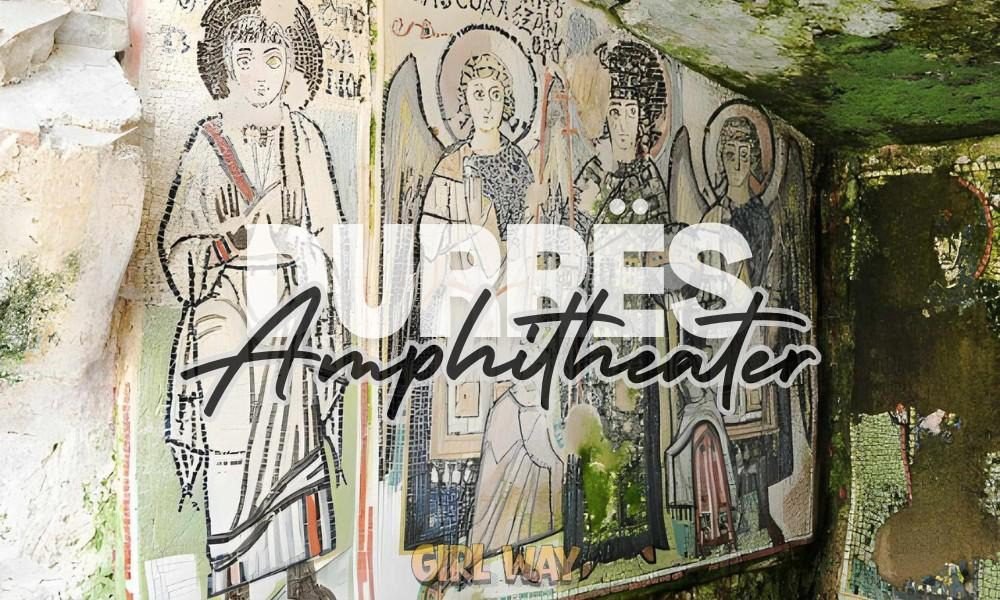
What makes this site especially interesting is the Byzantine Chapel discovered within it. Its mosaics depicting saints are remarkably well preserved for their age.
The nearby Roman Forum adds further depth to the surrounding area. Together, these layers serve as a quiet but powerful reminder of how much history is still visible above ground.
The entrance fee is just 300 Lek, which is very reasonable for what you get. Allow well over an hour if you want to take the site seriously.
Sheshi Liria Square and the Great Mosque
Sheshi Liria is the main square of Durrës and a natural place to pause mid-morning. It is fountain-filled and open, though much of what you see today is a modern reconstruction rather than the original layout.
The square was heavily reshaped during communist times. The older character was largely destroyed, and what remaining traces survive are scattered rather than central.
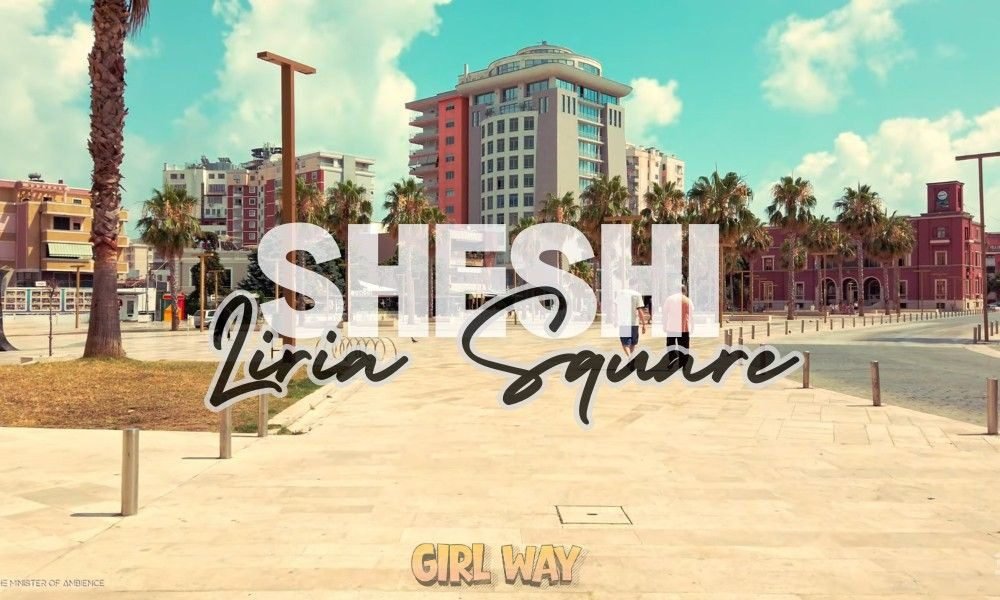
The city hall and a theater sit at the southern end. The striking red building nearby catches the eye and gives the square a bit of strong visual character.
At the northern end, a tiny section of Byzantine city wall still stands quietly in place. It is easy to miss but worth a pause once you know to look for it.
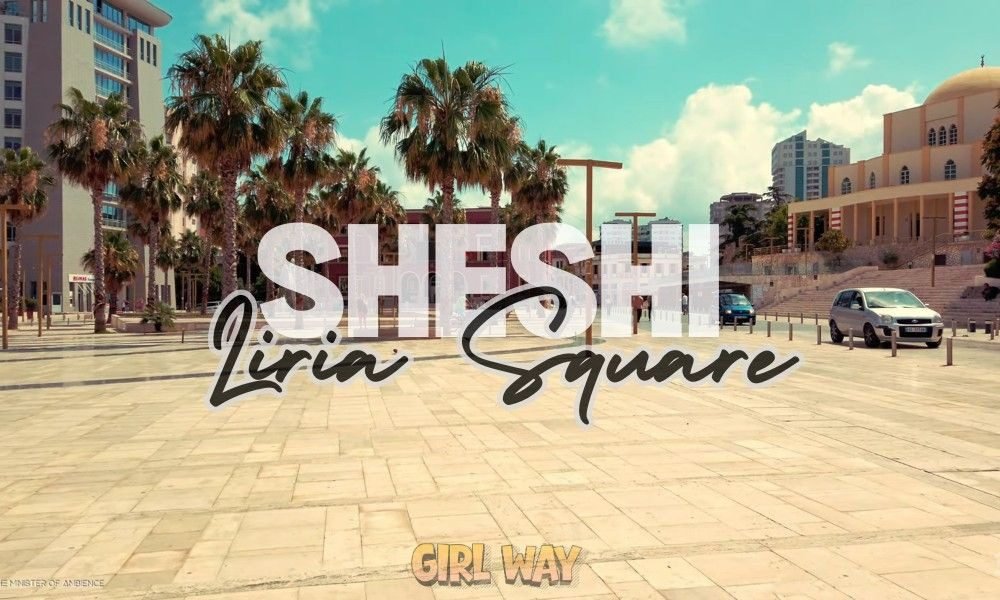
The Great Mosque stands at the eastern side of the square. This Ottoman-era structure has a beautifully painted, domed ceiling that genuinely stops you in your tracks inside.
For a caffeine fix, the cozy Sophie Café sits at the north-east end and is a solid choice. Several other cafés and bars line both Bulevardi Dyrrah and Rruga Varoshi within a short stroll of the western end of the square.
Inside Durrës’ Most Unconventional Museum
One of the newer attractions in Durrës sits quietly beside a theater and is easy to walk past. This unconventional museum is one of the most fascinating and bizarre stops in all of Albania.
It is fully dedicated to life under communist Albania and the Hoxha regime. Nothing else in the city explained this period to me as clearly or as memorably.
Inside, a 1970s living room has been recreated down to the smallest detail. It is pretty accurate and immediately sets the tone for what follows.
The hotel rooms on display were bugged by the Albanian government to monitor foreigners. Even male visitors with beards or long hair were viewed with deep suspicion.
The paranoid state rules around early tourism are demonstrated throughout the exhibits. Tourist brochures and photographs from that era show a version of Albania almost unrecognizable today.
A short video covers the role of the foreign spy fear that shaped day-to-day life. The civilian bunker in the backyard and the drills that came with it are also explained with tons of useful context.
The experience is guided, which makes a real difference here. The guide demonstrated how Rakı and Mountain Tea were offered to private visitors as a kind of carefully managed hospitality.
The entrance fee is 500 Lek, which feels entirely reasonable for what is an excellent hour well spent.
Discovering the Byzantine Forum
The Byzantine Forum sits to the south-east of the Roman Amphitheatre and is easy to reach on foot. It is one of the most quietly impressive ancient sites that remains standing in the city.
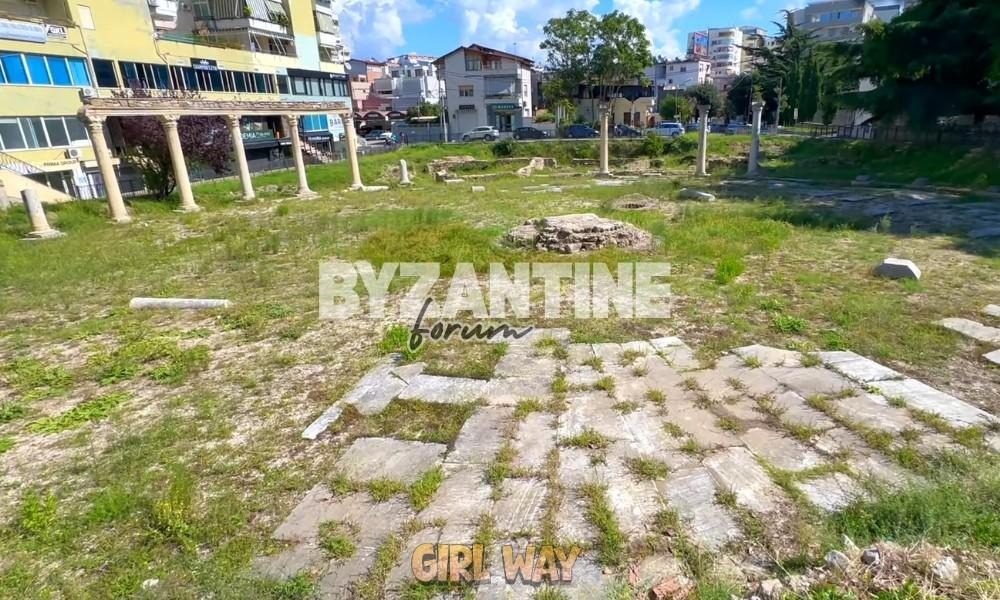
The forum was once a large public square at the heart of Byzantium‘s presence here. It served as a starting point and civic center for the surrounding area across many centuries.
What survives includes a marble floor, Corinthian pillars, and a circular elevation that still holds its shape. The foundational walls are also visible, though parts have become overgrown over time.
It is speculated that the Via Egnatia, the great road connected to both the Adriatic Sea and Istanbul, once passed directly through here. Walking the site with that in mind gives it a much larger sense of significance.
The Roman Baths lie to the west and are worth a brief detour while you are nearby. Together with the Byzantine Forum, they form a dense pocket of history within a short stretch.
I found a modern building partially constructed right over part of the site, which is a jarring contrast. The Peeping Tourist Museum is just a short walk away, making this area one of the most rewarding corners of the city to explore slowly.
Following the Old Doors Trail Through Durrës
The Old Doors Trail is a tourist trail that winds through the city center and connects some of the most historic buildings in the area. It is a nice and unhurried way to see parts of the city that most visitors walk straight past.
The trail is marked by signboards placed at each stop along the route. A map is available at the start, and following it is straightforward even without a guide.
Each stop focuses on specific doorways found on residential and public buildings across the area. The doorways themselves are the main attraction, and many are genuinely interesting up close.
Some feature woven wool details created by local artists as part of the wider project. These small touches give the trail a creative and community-driven feel that I did not expect.
The theater building at the northeastern corner of the route is one of the stronger stops. Its doorways and surrounding buildings carry real architectural character worth pausing over.
A few stops include recreations rather than fully original features, which is worth knowing in advance. Even so, the history woven into the trail makes it one of the more thoughtful walks the city center has to offer.
King Zog’s Villa: A Crumbling Gem Above Durrës
King Zog I reigned over Albania through the 20s and 30s, and this villa was his personal residence in Durrës. It was built in 1927 on a hill to the west of the city center, and the view from the top is genuinely awesome.
From up there, you can see across the bay and down toward the beach promenade. On a clear day, it is one of the most beautiful vantage points the city offers.
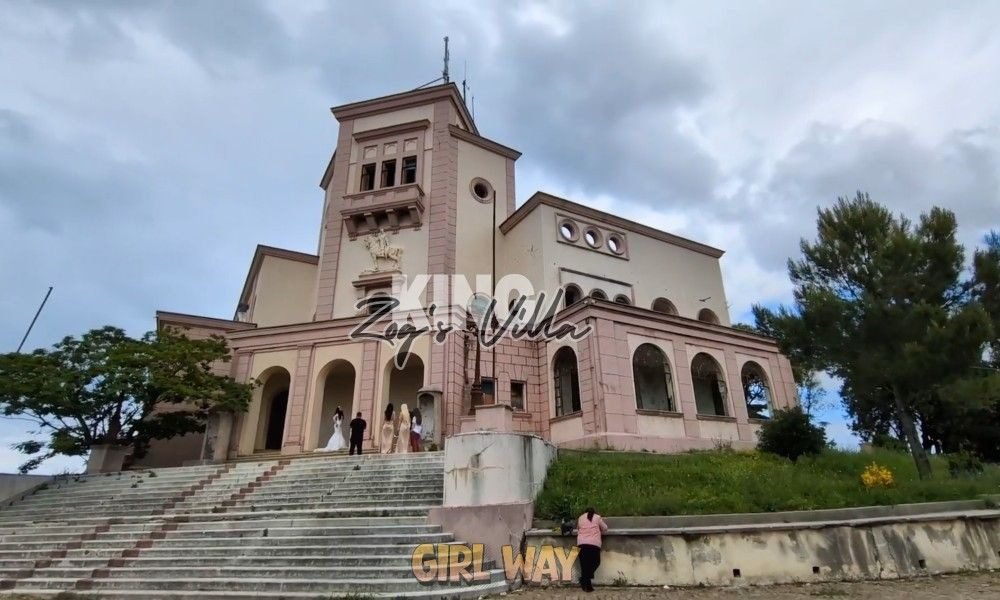
After King Zog left, Enver Hoxha, the Communist president, took the villa as his own. That history alone makes it one of the coolest places to visit in Albania.
The crumbling interior and overgrown gardens give the whole place a striking, slightly eerie atmosphere. I found it far more atmospheric than a polished museum would ever be.
You can explore the residential quarters, the grand dining hall, and the hidden passageways tucked behind the walls. The secret observation room and the highest tower are both worth the effort to climb.
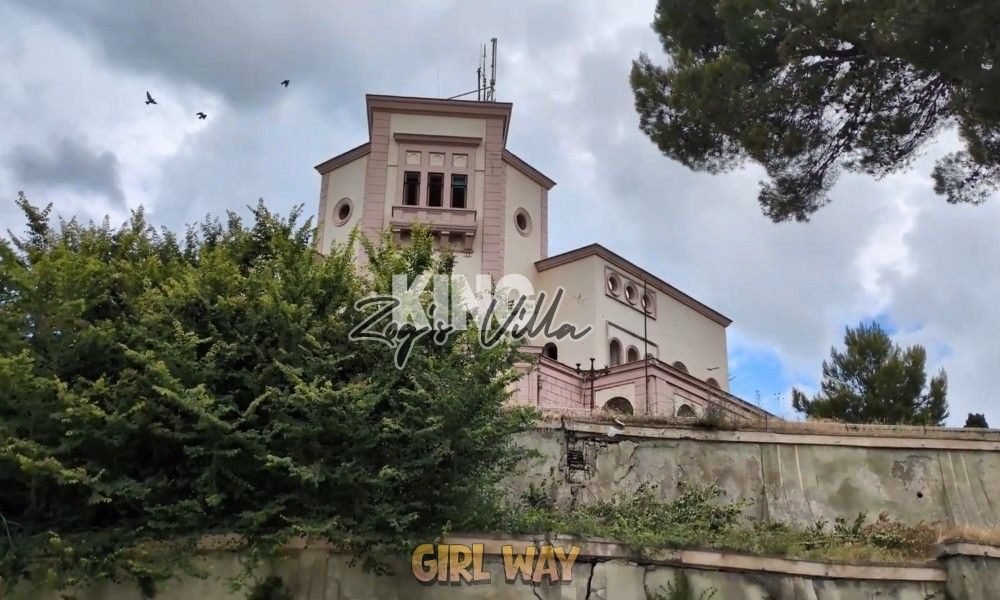
The architectural details throughout the villa are still impressive despite the years of neglect. Look toward the New Mosque visible to the west as you move through the upper floors.
The entrance fee is 300 Lek, which feels entirely fair for what you get. Do not plan dinner here, but do plan more time than you think you need.
An Evening Stroll Along the Durrës Waterfront
The waterfront promenade in Durrës is lined with cafés, restaurants, and bars that face directly onto the Adriatic Sea. It is where locals hang out in the evening, and the energy there feels genuinely authentic.
I would strongly recommend this stretch to anyone who wants a taste of everyday life in Durrës. The atmosphere during sunset is simply incredible and impossible to rush through.
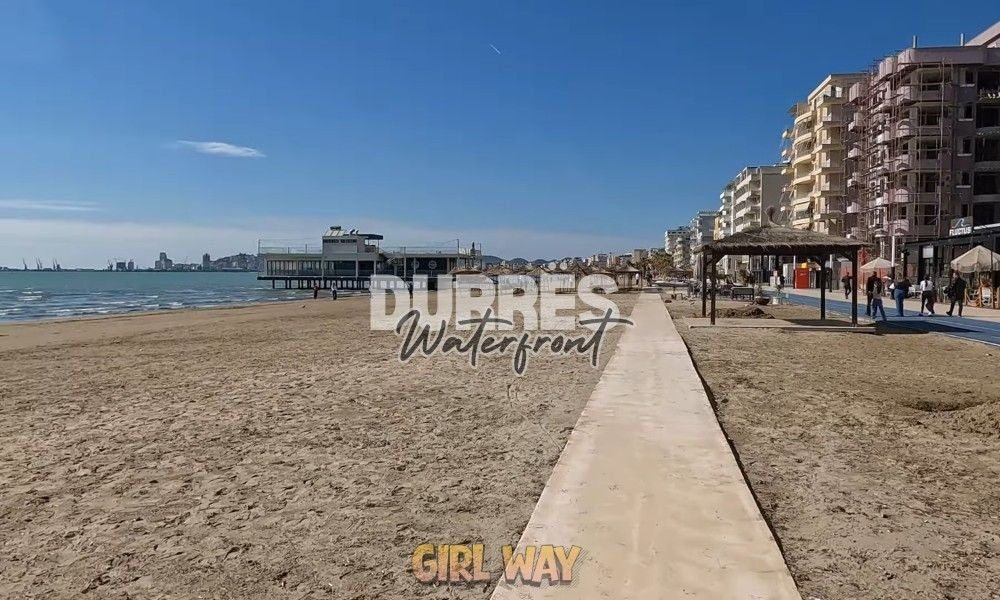
The food and drink options here are surprisingly affordable without feeling cheap. You get real quality at prices that make it easy to slow down and stay longer than planned.
Il Pirata Tur Fosa is one of the most worthy stops along the waterfront promenade. I had the kofta there and found it fantastic and far better than expected.
The frog legs are a specialty of the area and absolutely tasty if you are open to trying something different. It is the kind of dish that makes a visit to a place genuinely memorable.
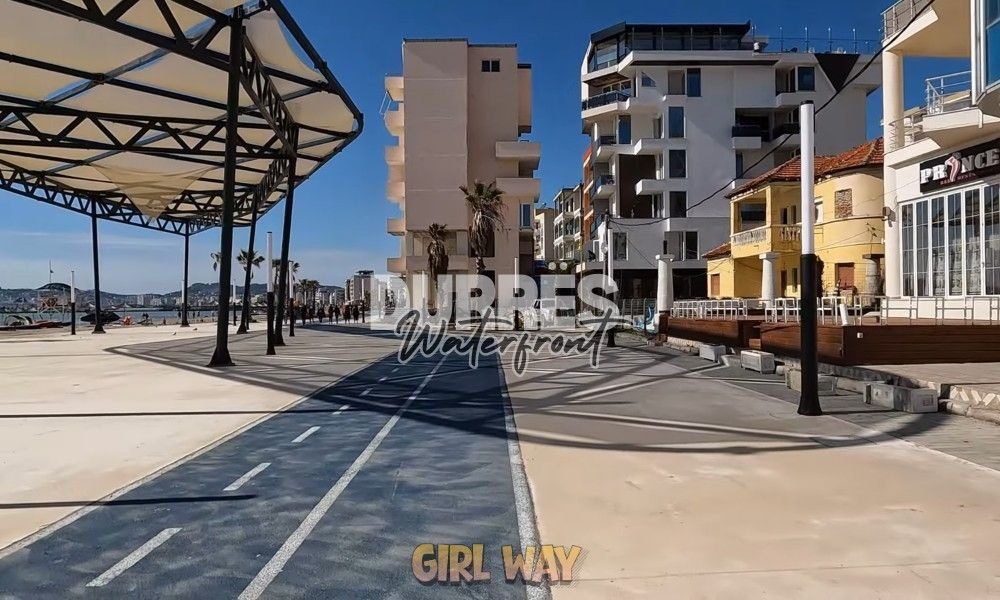
The whole promenade is an easy and rewarding stroll from end to end. Come in the evening, take your time, and let Durrës show you its more relaxed and local side.
Climbing the Venetian Tower for Views Over Durrës
The tower is one of the best remaining sections of the medieval city walls still standing in the city. It is not especially tall, but what it offers at the top more than makes up for that.
The walk up is easy and takes only a few minutes. It is perfectly fit for most visitors, including those who are not keen on steep or difficult climbs.
From the top, the view stretches out over the Adriatic coast in a way that feels wide and unhurried. I stood there longer than I planned simply because it was such a nice place to pause.
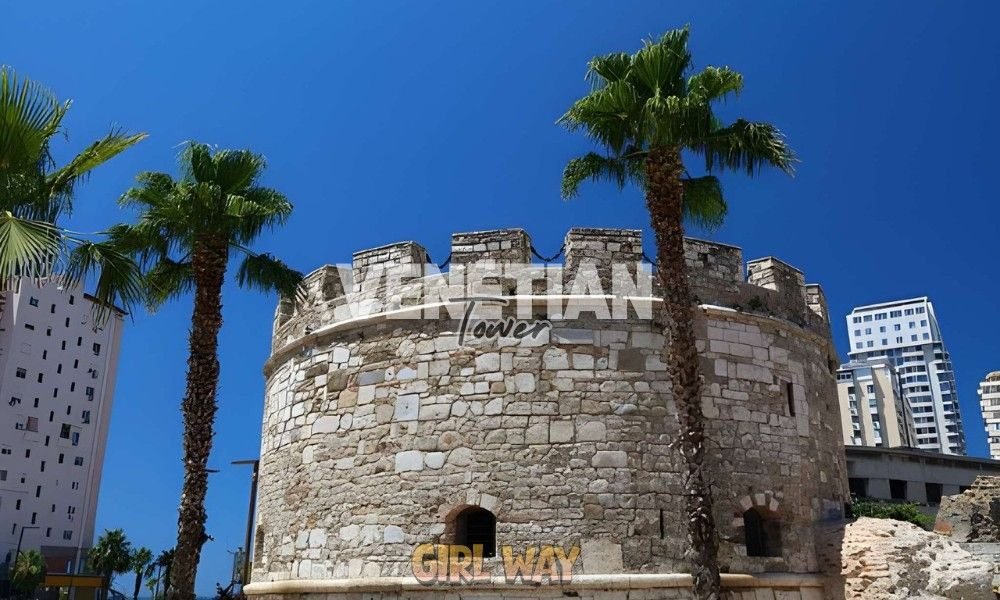
The promenade below looks especially appealing from this height. Seeing the city spread out from above gives you a much better sense of how it is all connected.
It is a short stop, but a view like this adds real perspective to everything else you walk through during the day. Do not skip it simply because the tower looks modest from the outside.
A Day Trip from Durrës to the Cape of Rodon
The Cape of Rodon is about an hour north of Durrës and well worth the drive. If you have an extra day in Albania, this is exactly the kind of place to spend it.
The rugged coastline and open scenery make it a genuinely stunning destination for anyone who loves the outdoors. I arrived in the morning and immediately understood why it pulls so many visitors away from the city.
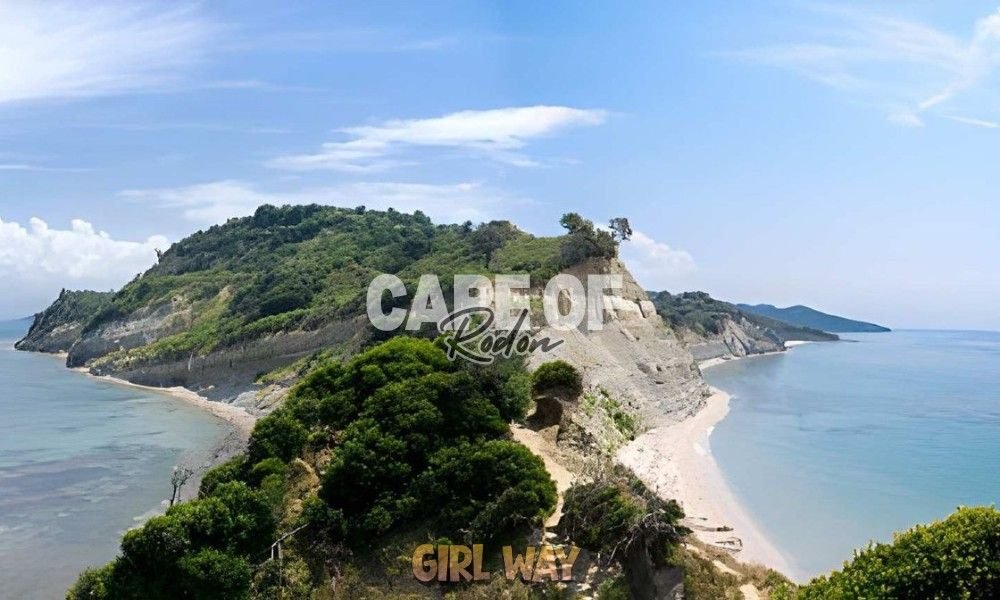
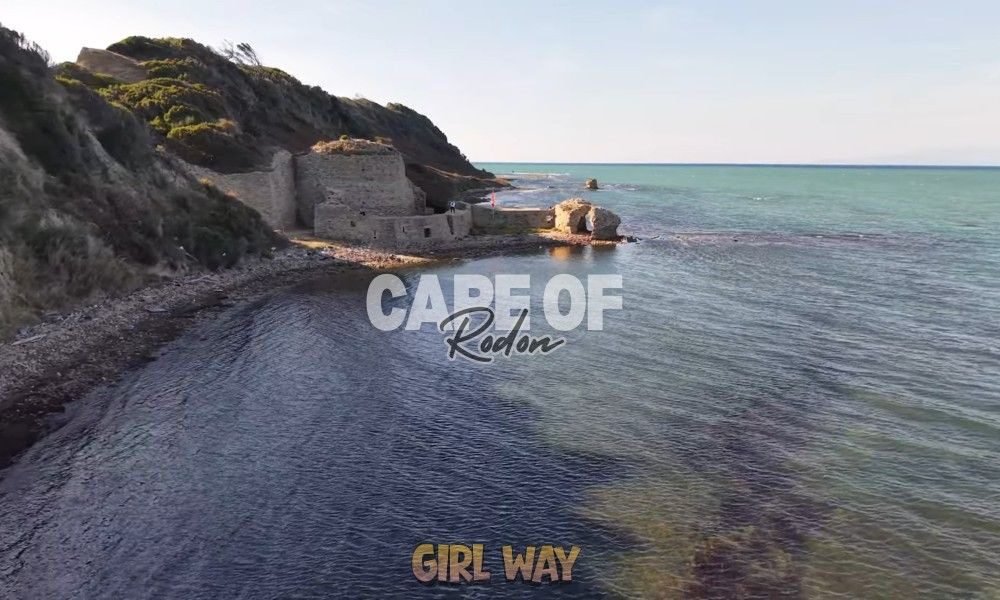
The castle at the cape was built by Skanderbeg, Albania‘s national hero, and the ruins are still standing against the sea. They are very much worth seeing and give the landscape a strong and memorable atmosphere.
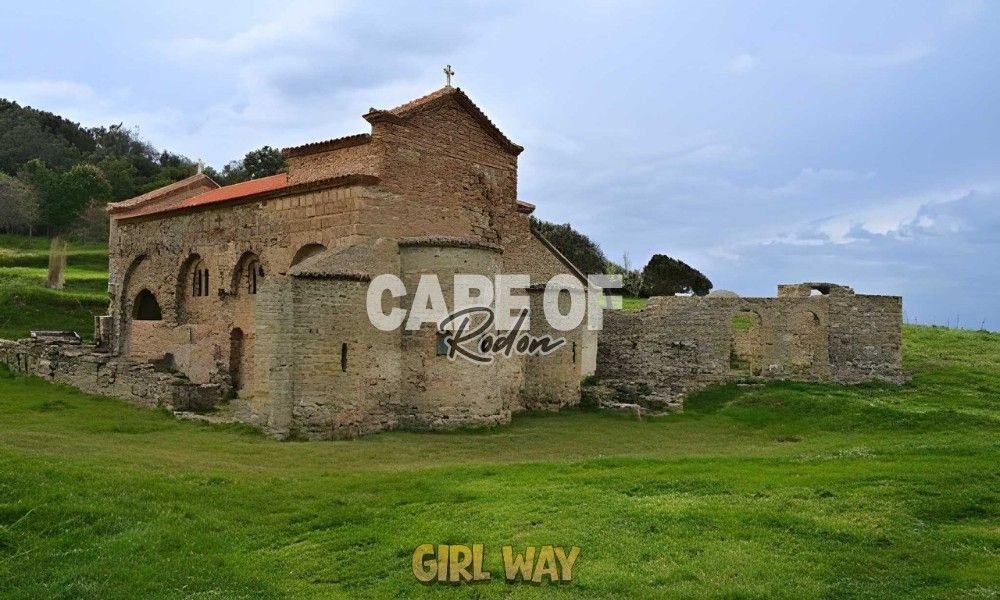
The old church nearby is small but beautiful in its simplicity. It sits close to the ruins and adds another quiet layer to the visit.
The hiking trails along the rugged coastline are easy to follow and reward you with wide, open views. The beaches below are clean and far less crowded than those closer to Durrës.
By the afternoon, the Cape of Rodon becomes a perfect spot to slow completely down. There is a bar and restaurant on site where you can enjoy beers and dinner while watching the sunset stretch across the water.
A Night at the Vineyards Outside Durrës
The hilly countryside just outside the city of Durrës is home to some genuinely beautiful vineyards. The region benefits from Mediterranean heat and ideal growing conditions that produce wines worth seeking out.
Agroturizëm Gjepali is one of the most special places to stay in this part of Albania. It is a working winery set within a historic estate building that carries real charm from the moment you arrive.
The hotel rooms are spacious, well kept, and surprisingly affordable for what they offer. At just $35–$40 per night, it is honestly a steal and one of the best value stay options near Durrës.
I spent a night here and found the whole experience deeply relaxing. Waking up surrounded by vineyards and open countryside felt like a completely different side of Albania.
The Albanian cuisine served on site is authentic and made almost entirely from local ingredients. It pairs naturally with the estate’s own wines in a way that feels effortless and unhurried.
This is a worthwhile detour for anyone who wants something beyond the beach. The vineyards, the food, and the quiet of the hilly countryside make it a genuinely special experience outside the busier parts of the region.
Day Trips from Durrës
Durrës is a perfect base for families with kids who want to explore beyond the beach. The coast is calm in summer, and the floating pier nearby gives younger visitors something immediately exciting to jump from and play around.
For those who are short on time, tours from the city are easy to book and well-organized. Renting a car, though, gives you the most flexibility to move at your own pace.
Berat and Gjirokastër are two of the most rewarding day trip destinations in Albania. Both offer strong old-town charm and layers of history that hold the attention of adults and older kids alike.
Ksamil is one of the most famous beaches in southern Albania and very much worth the drive. The water is clear, and the setting is a great option for families looking for a more relaxed stretch of coast.
The Blue Eye is one of the most striking natural spots in the country and sits near the southern route. I found it genuinely magical, and kids tend to react to it with real wonder.
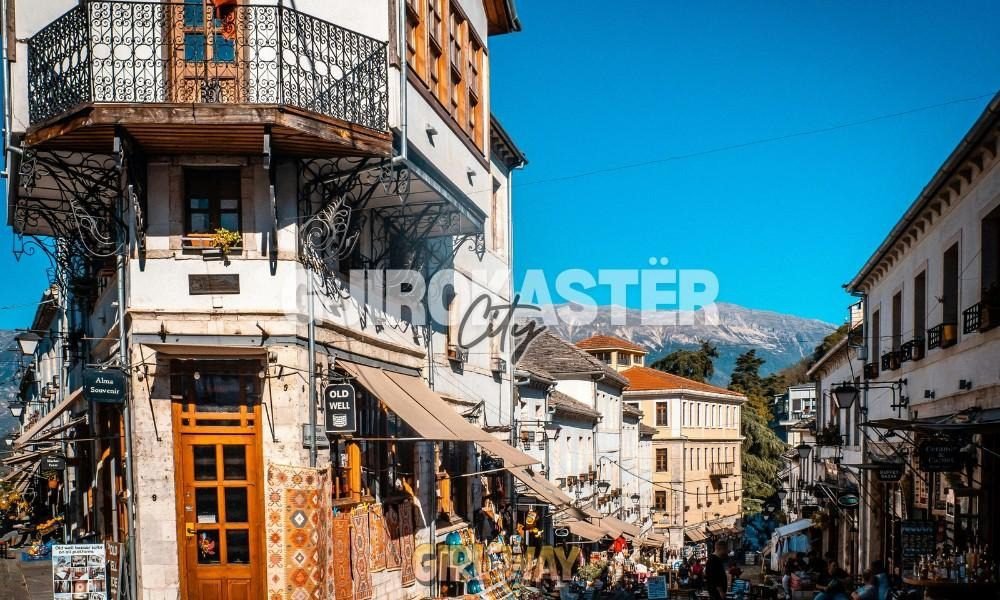
Sfinksi is another fun stop that adds variety to a longer day out in southern Albania. Together, these destinations make the area around Durrës far richer than most visitors initially expect.
| Destination | Distance | Travel Time | Highlights |
| Tirana | 33 km | 40 min | Capital city, museums |
| Berat | 95 km | 2 hours | UNESCO old town |
| Krujë | 55 km | 1.5 hours | Skanderbeg Castle |
Food & Restaurants in Durrës
The food scene in Durrës is one of the more pleasant surprises when traveling through Albania. Mediterranean flavors, Albanian cuisine, and Italian influences all sit comfortably alongside each other here.
Seafood is the strongest suit of most restaurants in the city. The fish arrives fresh, and even a simple meal by the water feels well above what the price suggests.
I kept returning to the same stretch of restaurants near the promenade throughout my stay. The combination of Albanian cuisine and Italian influences on a single menu works far better than it sounds.
For a reliable and satisfying meal, stick to places where seafood is clearly the focus. Those spots tend to deliver the most honest and fresh expression of local Mediterranean flavors.
A few personal favorites stand out from the rest without needing a reservation or a large budget. The food scene here rewards those who explore a little rather than settling for the first option on the main strip.
What to Eat in Durrës (Albanian Dishes to Try)
Meison Bistro is one of those small places in Durrës that quietly earns a loyal following. It is cozy, modern, and a genuine favorite among visitors who stumble across it.
The menu leans toward creative cooking without trying too hard to be fancy. Every dish arrives well-plated and made with ingredients that taste noticeably fresh.
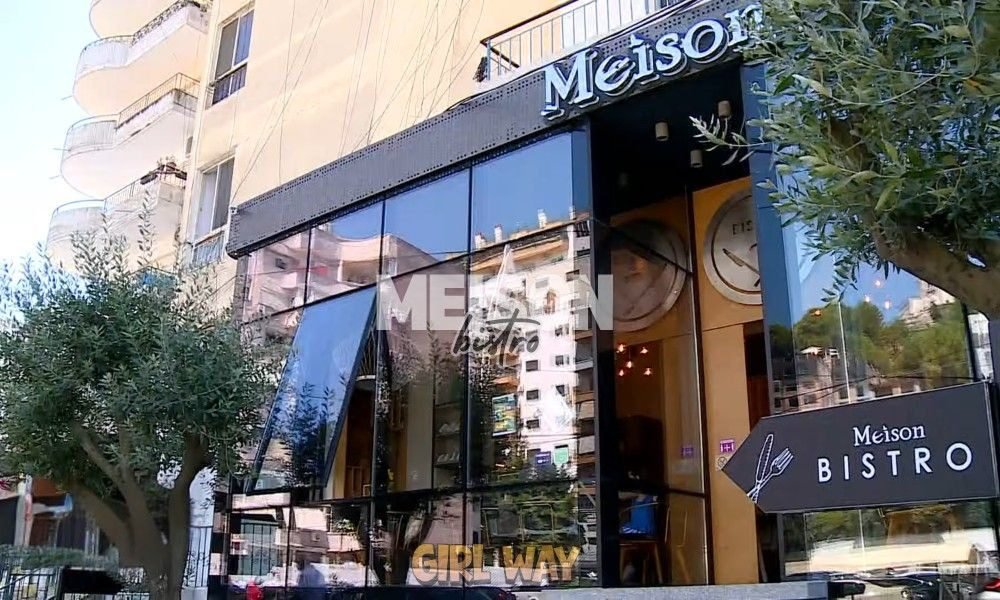
I came here for dinner on my second evening and immediately wished I had found it sooner. The dishes strike a balance between comfort and refinement that is hard to find at this price point.
It is a great spot for a relaxed evening that still feels a little special. The modern interior keeps things calm and unfussy, which lets the food do the talking.
For dinner in Durrës, Meison Bistro sits comfortably at the top of the list. The small size means it fills up, so arriving early is always a smart move.
Best Restaurants in Durrës
Fine Dining
Verona Restaurant
Verona Restaurant is one of the most satisfying places to eat in Albania when the craving for honest Italian food hits. The setting right by the sea makes every visit feel naturally perfect.
The seafood pasta here is the dish to order without hesitation. It arrives loaded with clams and shrimp, all tasting genuinely fresh and well balanced.
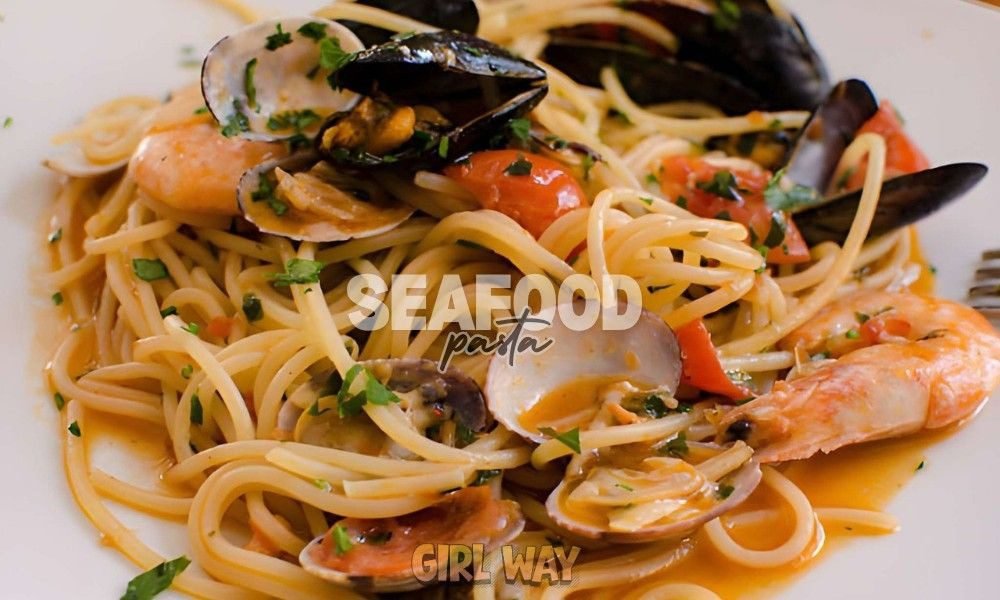
I came for a sunset dinner and stayed far longer than I had planned. The light over the sea at that hour paired with good food makes for an evening that is very hard to leave.
The homemade bread that comes alongside the meal is simple but very good. It is the kind of small detail that tells you a kitchen genuinely cares about what it sends out.
Verona Restaurant earns its reputation through consistency and quality rather than spectacle. For Italian food done well beside the sea, it is a reliable and rewarding choice in Albania.
Dyrrah Mare
Dyrrah Mare sits at the more upscale end of the dining scene in Durrës. The design is sharp and modern, and the overall feel signals that the kitchen takes its food seriously.
The menu puts Albanian cuisine at the center but brings a creative twist to familiar dishes. That approach works well here, and the results on the plate are genuinely impressive.
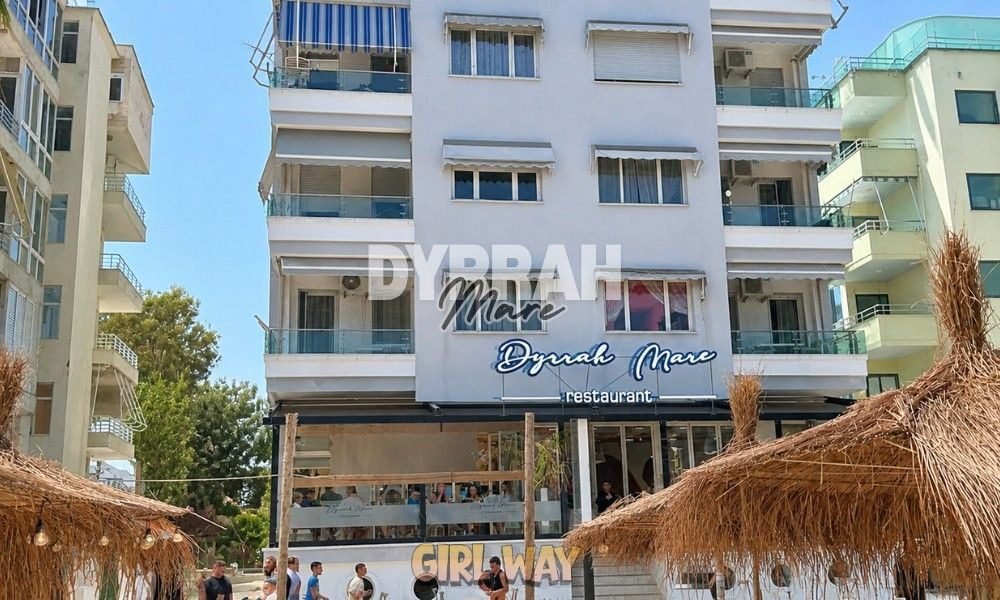
The food is quite simply killer, and I found myself working through the menu more slowly than planned just to make each dish last. The quality across every course stays consistently high.
The wine selection is a strong plus and genuinely worth exploring rather than defaulting to the first option. It pairs naturally with the Albanian cuisine and rounds out the experience well.
Dyrrah Mare is the kind of place that earns a revisit before you have even finished your first visit. The combination of modern design, a thoughtful menu, and that creative twist on Albanian cuisine makes it stand out clearly from the crowd.
Casual & Local Spots
The Fisherman’s Net
The Fisherman’s Net is the kind of place that makes you slow down and commit to a long meal. The atmosphere is relaxed, the service is unhurried, and the seafood is consistently top-notch.
The grilled fish here is cooked to near perfection and is the dish most regulars come back for. I ordered it on my first visit and had no reason to try anything else on the next.
The fried calamari is crisp, light, and arrives genuinely fresh rather than straight from a freezer. It pairs naturally with a bottle of local wine that the staff are happy to recommend.
For a table wanting to share, the mixed seafood platter is the most rewarding option on the menu. It covers the best of what the kitchen does well and makes the decision easy.
A bottle of local wine alongside any of these dishes turns a simple dinner into something more memorable. The Fisherman’s Net earns its place as one of the most honest and satisfying spots in the city.
Ç’të Hash
Cte Hash is the kind of place that does not advertise itself loudly but earns real loyalty from locals. It is located in the port area not far from the city center, and finding it on Google Maps before you go saves time.
This is not a spot for modern fusion or fancy plating. It is honest, no-fuss fast food done with care and consistency.
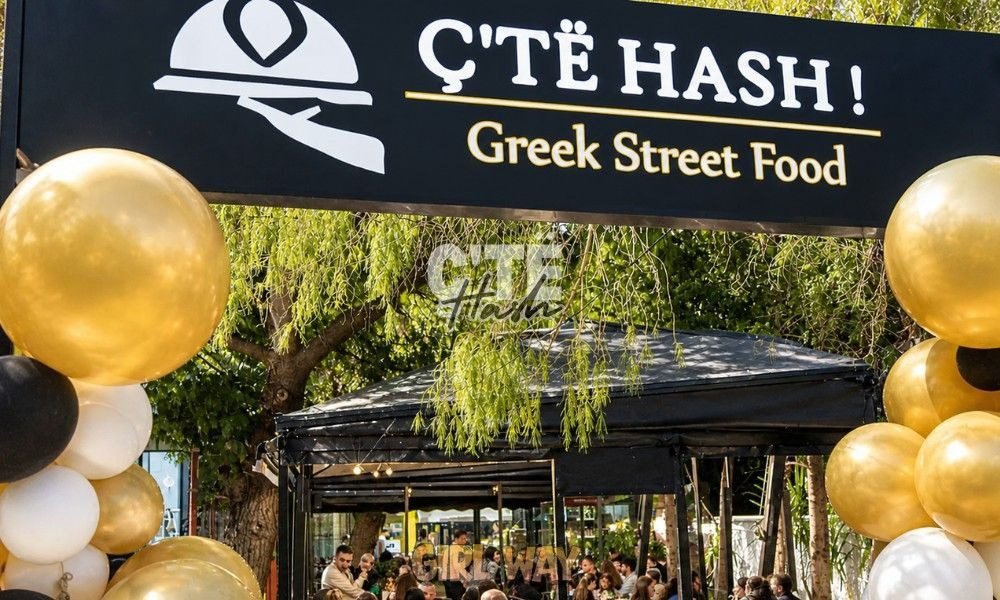
The grilled meats are the heart of the menu and the reason most people come back. Grilled lamb in particular is handled well here and tastes exactly as it should in Albania.
The gyros are also a strong choice and come together quickly without cutting corners on quality. Wrapped in fresh bread and finished with homemade dips, they are deeply satisfying for the price.
I stumbled onto Cte Hash after a long afternoon of walking, and it turned out to be one of the better accidental finds in Durrës. For simple, well-made food eaten the way locals eat it, this is the best spot in this part of the city center.
Nightlife in Durrës
Nightlife in Durrës is relaxed but enjoyable, especially during the summer months. Beach bars in Durrës line the coast and offer cocktails, music, and beautiful sunset views over the Adriatic Sea. The promenade area becomes the main evening spot for walking, dining, and casual drinks.
For a more lively atmosphere, Golem Beach clubs attract larger crowds with DJs and late-night energy. Meanwhile, city centre cafés and lounges stay open late, offering a quieter and more laid-back option for an easy night out.
Practical Information
How to Get to Durrës
The quickest way to reach Durrës from abroad is to fly into Tirana International Airport. From there, the journey to Durrës takes around 30–40 minutes depending on traffic.
A taxi from the airport is the most convenient option and the one I used on my first visit. Expect it to be costing around $30–$40, which is fair for the distance and ease it offers.
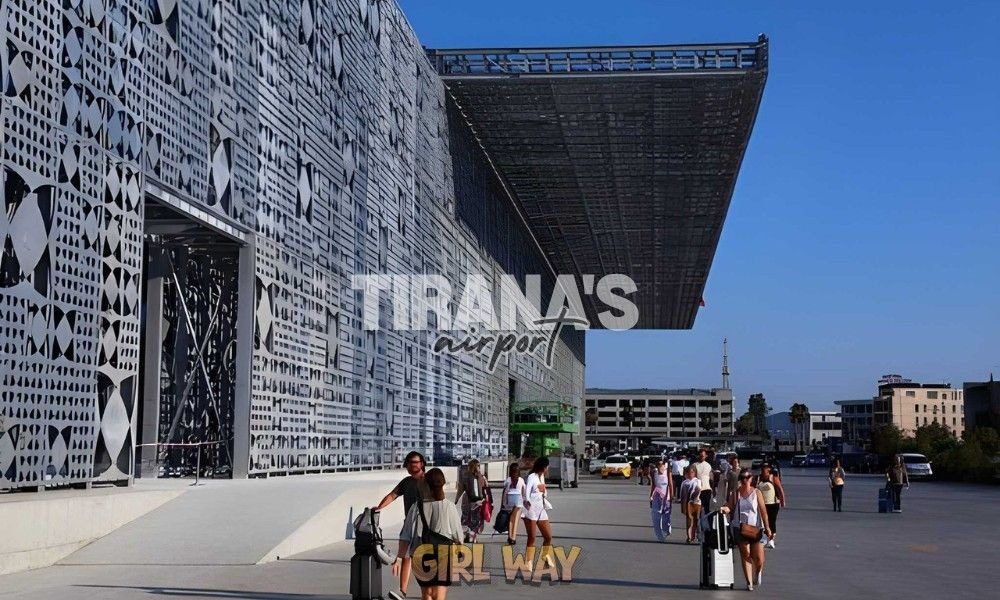
A bus is a faster option for the wallet, though the bus station in Tirana can feel a little chaotic for first-time visitors. Fares run at just 2–3€, making it by far the most frequent and popular route between the two cities.
The bus runs daily and covers the 40–50 minutes between Tirana and Durrës with frequent departures throughout the day. Checking schedules and prices in advance is always important before arriving.
If you are arriving from Italy, the ferry route is a well-established and atmospheric way to enter Albania. Direct connections operate from:
- Bari
- Ancona
- Brindisi
Each overnight ferry takes roughly 8 hours and brings you straight into the port at Durrës. Prices vary by season, but tickets typically start around $20–$30 for a basic passage, making it a convenient and scenic way to cross.
Getting Around Durrës
The city center of Durrës is largely walkable and genuinely tourist-friendly. The promenade, Venetian Tower, and amphitheater are all close enough to cover comfortably on foot.
For moving around within the city, your main options are:
- Buses: Local buses are affordable but can feel a little chaotic if you are unfamiliar with the routes
- Taxis are quicker and easier, though always agree on a price before you set off, as not every driver uses a meter
I found taxis the most practical choice for hopping between attractions quickly. The fares are low by most standards, and the convenience is hard to argue with.
Getting to spots outside the city is a different matter. Renting a car is by far the best way to explore further afield in Albania.
Car rental gives you the exploration freedom that buses simply cannot match. Driving to Cape of Rodon or the wineries on your own schedule makes the whole experience far more rewarding.
Driving in Albania takes some adjustment, as the roads and habits can feel chaotic at first. Once you settle in, though, the freedom of renting opens up the best parts of the region.
Currency and Payments in Durrës
The official currency in Albania is the Albanian Lek (ALL). Most local spots, markets, and smaller shops will only accept cash, so arriving prepared matters.
ATMs are easy to find throughout the city center and generally reliable. Credins Bank is one of the more consistent options and tends to charge a lower fee than others.
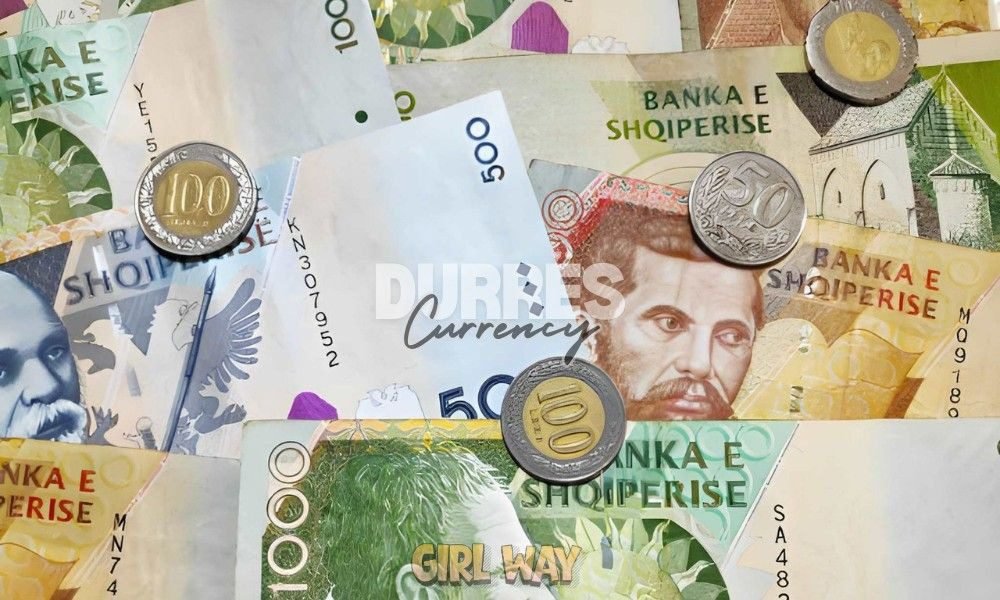
Using a Wise or Capital One travel card is a smart move for avoiding unnecessary costs. Both cards are largely free to use abroad and offer a noticeably better deal on exchange rates than airport or hotel counters.
Larger hotels and restaurants increasingly accept credit card payments. However, do not count on it at markets and smaller shops away from the city center.
Euros are sometimes accepted informally in tourist-facing spots, but you will almost always get a worse rate than with Albanian Lek. The difference can be significant enough to make it worth using local currency wherever possible.
I always made sure to carry enough cash for the day before heading out. Withdrawal fees of around 5-6 euros per transaction add up quickly if you are not paying attention.
Is Durrës, Albania, Safe?
Durrës is generally a safe city for visitors, and I felt comfortable moving around throughout my stay. The main things to stay alert to are practical rather than serious.
Petty crime and pickpocketing do occur, particularly in busy areas and along the waterfront. Keeping your belongings close and staying alert in crowded spots is enough to manage this sensibly.
At night, most parts of the city remain safe and lively. A few quieter streets can feel slightly uncomfortable after dark, so sticking to well-lit areas is a reasonable habit.
Taxis are widely used but come with one consistent issue. Very few drivers use meters, so always agree on a price before you get in the car to avoid friction at the end of the ride.
Renting a car in Albania is a perfectly viable option, but be prepared for a driving culture that feels genuinely chaotic at times. Albanian driving is fast, assertive, and at times wonderfully wild by most international standards.
A few practical reminders worth keeping in mind:
- Stay alert around busy areas, markets, and transport hubs where pickpocketing is more common
- Always agree on a price with taxis before the journey starts
- Be prepared for Albanian driving if renting a car; it takes adjustment but is manageable once you settle in
Local Customs and Etiquette in Durrës
Albanians are known for their hospitality, and that reputation holds up completely in practice. The culture here places enormous value on family, welcoming guests, and making people feel genuinely at home.

If you are invited into someone’s home, removing your shoes at the door is the standard and expected thing to do. Arriving without doing so is considered rude, even if nothing is said in the moment.
When food and drink are offered to you, always accept. Refusing an offer of food or drink can come across as dismissive in a culture where hospitality is deeply personal.
The toast here matters more than it might elsewhere. When you raise a glass, make eye contact and say Gëzuar, which simply means cheers. Looking away from someone’s eyes during a toast is considered poor manners and breaks one of the quiet unwritten rules of the table.
“Përshëndetje” is the standard greeting and a small but meaningful effort that locals always notice and appreciate. Using even a few words of the language goes a long way in Albania.
A few unwritten rules worth keeping in mind:
- Always accept an offer of food or drink when visiting a home
- Hold eye contact through a toast and say “Gëzuar” with confidence
- Use “Përshëndetje” as your default greeting; the effort is always welcomed.
- Be respectful and warm in return, and Albanians will treat you like family
Essential Local Phrases to Know in Durrës
Most Albanians in Durrës, particularly younger locals, speak enough English to get by. That said, making the effort to learn a few local phrases goes a long way and is always warmly received.
I used these words daily and found them genuinely helpful in small shops, restaurants, and on the street.
- Faleminderit (Thank you)
- Ju lutem (Please)
- Sa kushton? (How much?)
- Më falni (Excuse me / Sorry)
- Po (Yes)
- Jo (No)
- A mund të ndihmoni? (Can you help me?)
These local phrases cover most everyday situations you will encounter in Durrës. They are simple to remember and make interactions feel noticeably warmer from the start.
“Faleminderit” and “Ju lutem” are the two worth learning before anything else. Albanians respond visibly and positively when visitors make even a small effort with the language.
FAQs About Durrës, Albania
Durrës is a coastal city in western Albania on the Adriatic Sea. It is only about 40 minutes from Tirana.
The distance from Tirana to Durrës is around 35–40 km. It takes about 40–60 minutes by car or bus.
Yes, Albania hotels in Durrës range from budget stays to luxury resorts. Most hotels are located near the beach or city centre.
Durrës Albania beach has long sandy shores and shallow water. It is popular for swimming, sunbathing, and beach bars.
Yes, Durrës is one of the most visited coastal cities in Albania. It offers beaches, history, restaurants, and nightlife.
Yes, Durrës is worth visiting for its beaches, history, and affordable travel.
