

A First Look at Siquijor
Siquijor is one of my most-liked islands in the Philippines. It is currently on many travelers’ lists, especially if they are debating a visit. This post is for readers looking for real answers. It asks clearly if Siquijor is truly worth visiting.
Among the beautiful islands in the country, this island feels different. Unlike many popular spots, it remains one of the least touristy places I found while researching. This can be a good or bad thing, depending on how you like to travel. So take a minute before judging the whole thing too fast.
I spent some time there before writing this article. I wanted to break it all down and explain the real vibe. Some corners feel relaxed, local, and naturally cool. Others may seem too quiet, too slow, or even overrated.
For some travelers, Siquijor feels cheap and easy to enjoy. For others, it can feel surprisingly expensive, depending on transport, food, and stay choices. That is why this article does not give dreamy answers only. I want to show both the easy and hard sides honestly.
The vibe here is softer than in more touristy places. That alone can make a visit feel more worth your time. It is still deeply beautiful, even beside more popular spots. So whether it feels favorite, cheap, expensive, or worth it ultimately depends on you.
Is Siquijor Really Worth It? My Honest review
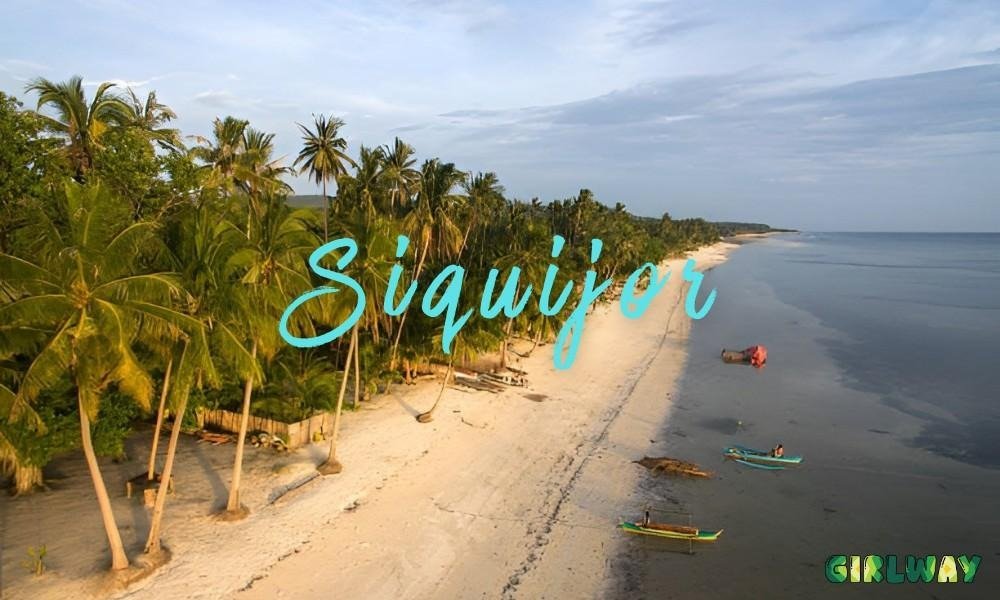
My quick answer is yes, absolutely 100% without any doubt. As my second-favorite island in the Philippines, it stays special. Only Siargao ranks higher for me, though both are stunning. Still, Siquijor offers a very different kind of island escape.
You get proper white sand beaches and bright, crystal-clear water here. It also has better tides than some islands I visited before. Around Siquijor, there are loads to do in a short stay. Think beach hopping, cliff jumping, waterfalls, and usual island fun.
But the culture here gives something I had missed elsewhere. On other islands, that deeper local layer can feel hidden. Siquijor is understood as the Filipino capital of black magic. For many locals, witchcraft, healers, and even demons matter.
No, I did not see spirits roaming the hills at night. I am partly joking, but it is a legit part here. That side of the island identity feels deeply interesting and unique. To me, that is a huge plus beyond beaches alone.
It is also less developed and far less touristy overall. Yes, it feels rougher around the edges in places. That is why many backpackers enjoy it more than others. You also see fewer package holiday tourists than near Cebu City.
Compared with Bohol, there is a real shift in vibe here. That change feels calm, honest, and genuinely refreshing to me. I genuinely love that Siquijor still feels a little untouched. I would pick it over many islands without hesitation.
How can you get to Siquijor?
There are several ways to reach Siquijor, depending on how much time you have and the type of transportation you prefer.
The Easy Route to Siquijor

The easiest and quickest way is usually flying first. From Manila or Cebu, you can reach nearby airports fast. Most travelers are coming through by flight to Dumaguete in Negros. That is the smoothest starting point from my experience.
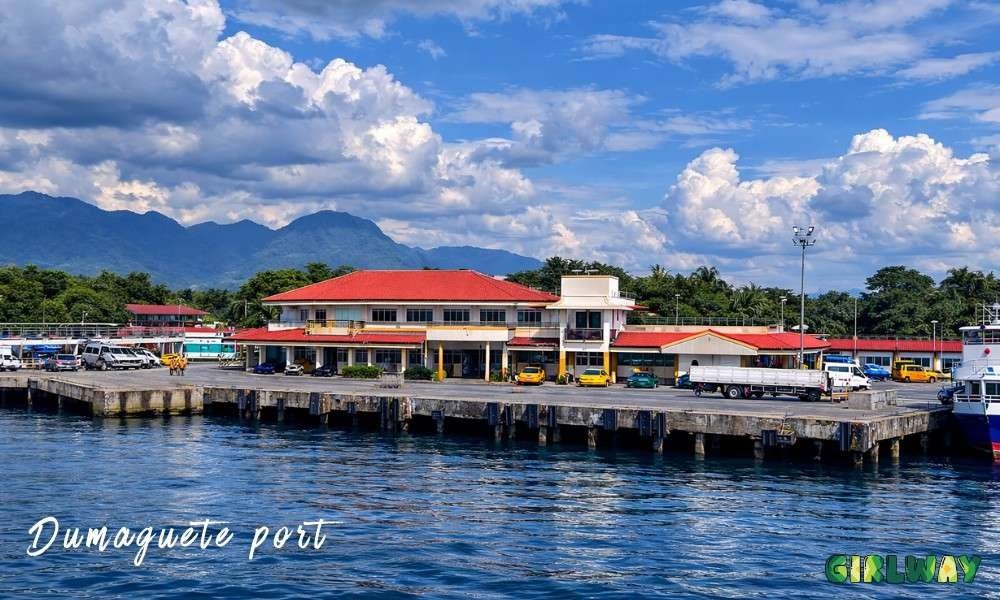
After landing, take a tricycle to Dumaguete port with ease. From the port, you simply take a ferry from there. The ferry usually takes around 40 minutes, which feels simple. I have done it plenty of times, and it stays manageable.
There is often no reservation needed, which makes planning more relaxed. That helps when your travel day changes at the last moment. For me, this transport setup is the simplest route overall. It gives direct access without making the trip feel stressful.
As an island transfer, the ferry ride is short and practical. The full route feels beginner-friendly, even for first-time visitors. Between air and sea, the transport works better than expected. That is why this path remains the most reliable way in.
The Budget Route to Siquijor
The cheap way works well if your budget matters more. Chances are, you are coming from Moalboal on Cebu Island. In that case, local buses can take you south. They usually head toward Bato from the main bus stand.
From there, ride a tricycle toward Liloan Port easily. Then take a boat across to Sibulan port in Negros. After that, continue toward Dumaguete port for the next step. The final leg is the ferry to Siquijor.
The whole trip can take around 8 hours in total. For most people, that sounds complicated at first glance. Still, no worries, because locals usually know the system well. They often help you reach the next place without stress.
Once you understand the route, the transport feels manageable enough. As an island transfer, it is slower but much cheaper. This kind of travel needs patience at each port and bus stop. Still, each boat ride and ferry ride feels part of the adventure.
The Route I Took
For what I did, the trip honestly didn’t feel too difficult. Even with an 8-hour journey, the plan stayed smooth enough. I first caught a bus from Moalboal heading toward Bato. It was air-conditioned, which made the long ride easier.
At the Bato bus station, I took a tricycle to my stop. I went straight to SouthSeas Beach Resort, where I stayed comfortably. I spent 3 nights there and used them to explore freely. It was a great base near the south end of Cebu.
From there, I used the cargo boat that runs twice a week. The listed times included 7 am and sometimes even 2 am sailings. The crossing took about 3.5 hours once we left. I landed in Siquijor around 11 am, which felt perfect.
For the most up-to-date sailing schedule, I checked the Facebook page first. I bought the tickets on the morning of departure. There was no need to reserve, which made the travel simpler. For this route, flexible transport plans helped a lot.
I always suggest checking the boat schedule before leaving your stay. The sailing schedule can shift, so ask your resort too. They often know the latest ticket details and changes. That way, you can reserve nothing early and still enjoy the journey.
Getting Around Siquijor
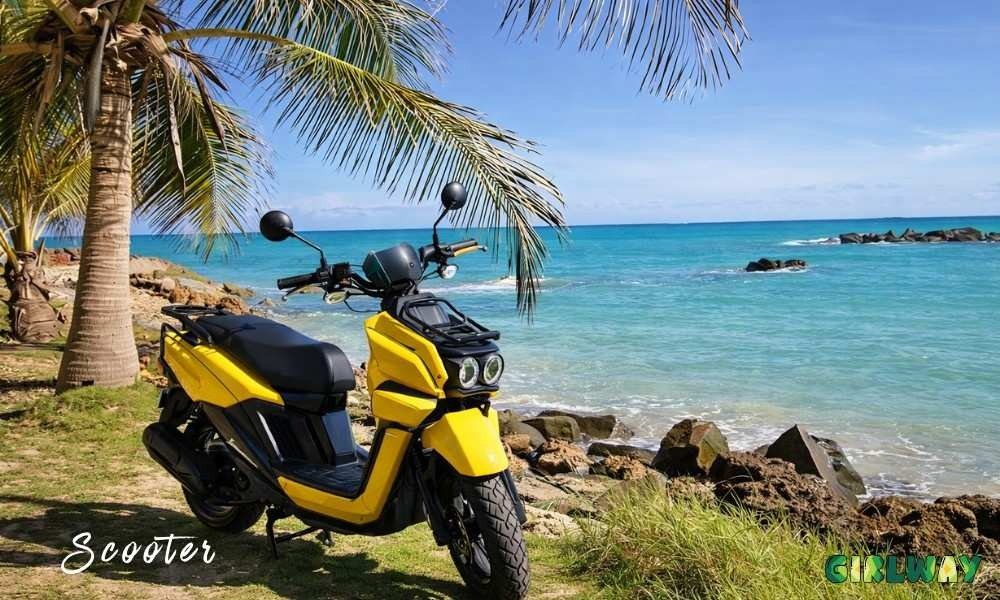
If you stay in San Juan, things feel simple quickly. You can decide to rent a scooter or take tricycles instead. Both are plentiful and cheap for getting around the island. For short trips, the local setup works better than expected.
Still, for more freedom and flexibility, I always recommend renting a scooter. A basic scooter rental will usually set you back between 300 and 400 pesos a day. From my experience, that daily cost is well worth it. It gives you real travel freedom from morning until sunset.
A scooter also helps when you want to go off the main tourist routes. You get better route access to beaches, cafés, and quiet corners. The roads are mostly in good shape, which makes driving feel relaxed. That is why island transport here feels easy for most visitors.
If you do not want to ride, local transport still works fine. Tricycle rides are useful for short hops and lazy days. I used both options, depending on mood and weather. In general, Siquijor makes moving around feel simple and stress-free.
What to Know Before Riding in Siquijor
In Siquijor, the police do check drivers’ licenses quite often. If you use a scooter rental, make sure your papers are right. A motor license matters more than a car license here. Even your accommodation may warn you about local rules.
You may see roadblocks on roads used by many scooter drivers. Both locals and tourists usually know where checks happen. Some people try taking another road to avoid delays. Still, I once saw travelers get pulled over very easily.
Without the right papers, the cost can be 5000 pesos fast. Losing an hour at a checkpoint also ruins the mood. Not wearing a helmet can bring another fine as well. On a small island, small failures can get expensive quickly.
These police checks are not there just to annoy people. They also push riders to carry a valid license and stay safe. Around repeated roadblocks, I noticed more careful driving from visitors. That honestly made the roads feel calmer and better managed.
The best beaches
Siquijor offers plenty of beaches where you can relax and unwind. While not all of them are easily accessible or perfectly clean, there are still some beautiful white-sand beaches that feel like a tropical paradise.
- For me, the best beaches are why many travelers remember Siquijor.
- The coast feels varied, relaxed, and more personal than expected.
- Little Boracay is often the first name people mention.
- It is also known locally as Paliton Beach in San Juan.
- This stretch of white sand feels soft, bright, and easygoing.
- I found the sunsets here especially calm and photogenic.
- Coral Cay adds a different mood to the shoreline.
- It feels quieter and more natural than busy beach spots.
- Salagdoong Beach is better known for cliff jumping thrills.
- It brings action, views, and a bolder seaside energy.
- Monkey Beach feels more hidden and less polished.
- Reaching it can feel like a short jungle walk adventure.
- That sense of effort makes it a true secluded beach.
- I liked how raw and peaceful the place felt.
- Tubod Beach is one of the easiest beaches to enjoy.
- It sits beside a lovely marine sanctuary with clear shallows.
- From the entrance, it is about a 10 minute walk.
- The access fee is usually around 100 pesos.
- The nearby reef makes this area ideal for snorkeling.
- In my experience, it suits slow swims and easy afternoons.
What to Do in Siquijor: The Best Tourist Spots to Visit
Diving Around Siquijor
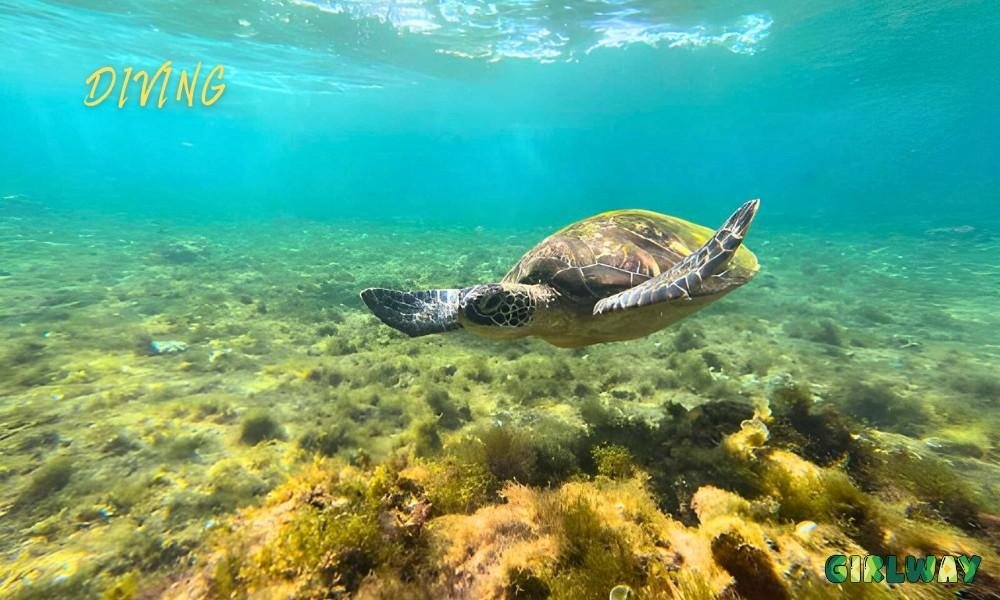
Diving in Siquijor is quietly becoming more popular each year. The island offers multiple dive sites with a strong variety of underwater life. I liked how the balance of macro life and healthy reefs felt natural. You also get chances to spot big fish on good days.
Many trusted dive centres are based in the San Juan area. Well-known names include Apo Divers, Sea Pearl Divers, and Last Frontier Divers. Coco Grove Resort also has its own dive centre for guests. That makes planning dives here fairly simple and comfortable.
One spot I enjoyed was Emmie, which felt rich and lively. It works well for newer divers because depths begin near 12 metres. Another strong site is Nok Nok, known for detail and color. In my experience, both sites show why Siquijor deserves more attention.
Snorkeling Near Tubod

In Tubod, near San Juan, the reef is easy to enjoy. It sits close to Coco Grove Resort, though sometimes that feels a little too far on foot. Still, I liked being able to wander back slowly after swimming. The area feels calm, open, and very easy to enjoy.
You can enter through the public entrance beside the beach area. The fee is usually 50 pesos, which feels fair to me. Bring a mask and snorkel, then stay for lunch nearby. I liked stopping at Coco Grove’s Salamander and Sunset restaurants after swimming.
This stretch mixes public beach access with a nearby private beach feel. The snorkelling here is simple, clear, and rewarding for beginners. I found the corals especially beautiful close to the shallows. The fish are often abundant, which makes each swim better.
A Slower Side of San Juan
The public pool near San Juan town feels simple and local. At first, the green water can look unusual to visitors. But it is fed by pure water coming from the mountain. Best of all, it is free, which adds to its charm.
The area feels like a small green park with seats and shade. It is a quiet place to swim when the coast feels busy. From the main road, turn left near the public laundry area. You will also notice nearby baths used by local families.
The concrete pool is not a polished resort-style swimming pool. That is exactly why I found it interesting and memorable. People come for washing clothes, bathing, and cooling off naturally. It shows a more everyday side of Siquijor.
This corner feels more untouched than parts of other islands nearby. After visiting, you can head back toward the restaurants and the old church. I liked spotting religious statues set inside small alcoves. The mix of forest, rocks, and village life feels very grounded.
Later, it is easy to stop for local food in town. Try lechon or fresh roasted pig if available that day. By evening, the mood shifts toward beachside bars and casual restobars. That contrast makes San Juan feel practical, relaxed, and full.
A Stop at Salagdoong Beach
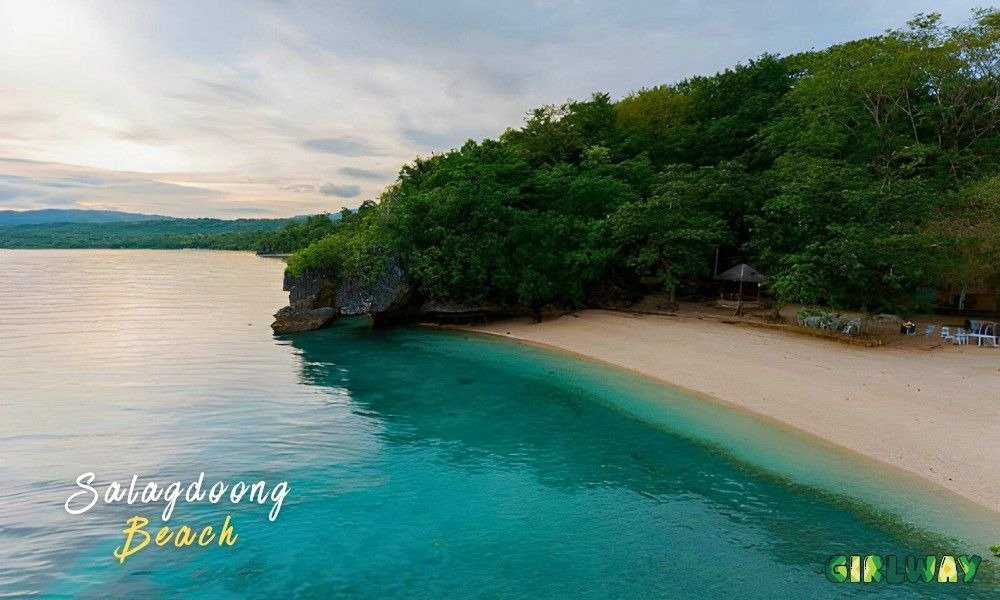
This visit feels different from the softer beaches near San Juan. From there, the drive takes about 90 minutes across the island. The closest town is Maria, which feels quieter and less busy. I liked that slower mood as I got nearer the coast.
The setting is more about a curved beach and rocky edges. There is some basic accommodation nearby and a few simple restobars. This is not the island’s softest beach, but it stands out. The mix of sea views and stone makes it memorable.
At high tide, the rocks and deep blue water look dramatic. The famous slide adds a playful side to the stop. I found it more fun for a short break than a full day. It works best if you want variety during your island loop.
A Day Trip to Apo Island
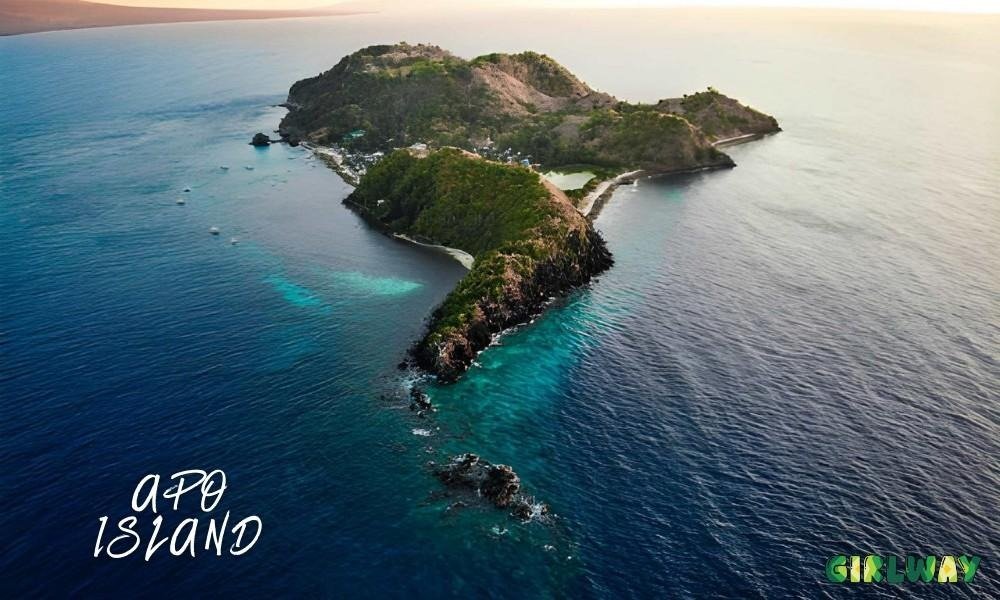
A trip to Apo Island is one of the best extras here. From the west coast of Siquijor, it feels fairly easy to plan. Some boats also connect through Dumaguete for simple day trips. For me, it adds another strong reason to visit the island.
Most people go there hoping to see turtles clearly. The water is also known for strong diving and reef life. Even without diving, it is a great place to snorkel. I found it easy to swim, relax, and enjoy the calm pace.
If your schedule allows, stay a night or two instead. That gives you more time to enjoy the sea fully. A small resort stay can make the trip feel smoother. It helps even more when the place serves fabulous food.
A Sunset Stop at Paliton Beach
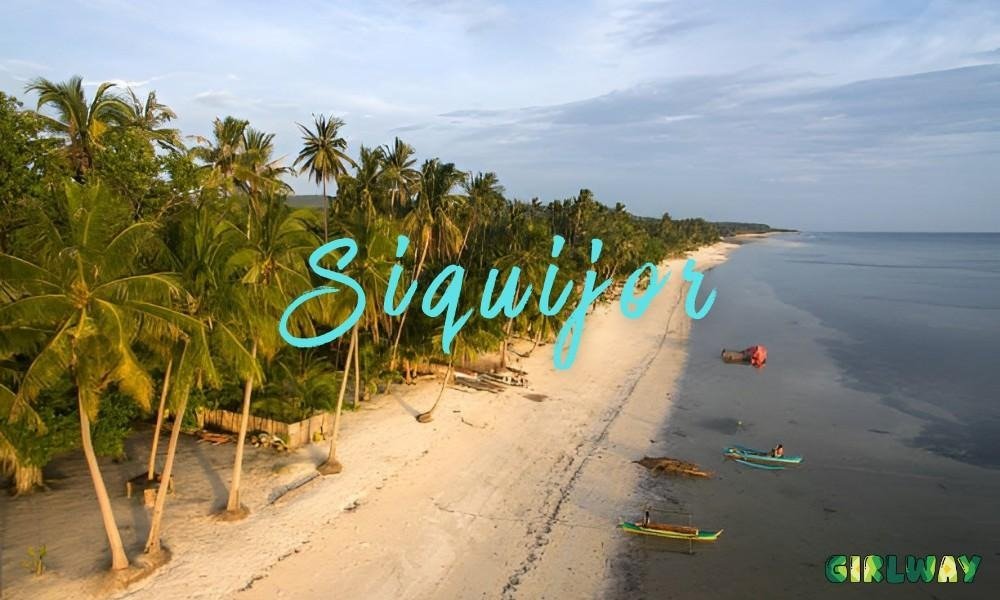
If you are based in San Juan, this is an easy visit. From some northern accommodations, you can even walk there. That simple access makes the trip feel light and relaxed. I liked how easy it was to return after dark.
Paliton Beach is one of those places that looks right instantly. The ocean, soft white sand, and tall palm trees feel classic. There are also famous palm tree swings near the shore. Together, they give the beach a very photogenic, easy charm.
What I enjoyed most was the late afternoon atmosphere there. Small beachside food stalls make it easy to grab a meal. You can also sit down with a cold beer nearby. It is the kind of place that rewards slowing down.
Try to arrive before the sunset starts changing colors. That is when the beach feels warm, soft, and busiest. In my experience, Paliton works best with no strict plan. Just show up, stay longer, and enjoy the view.
A Stop at Cambugahay Falls
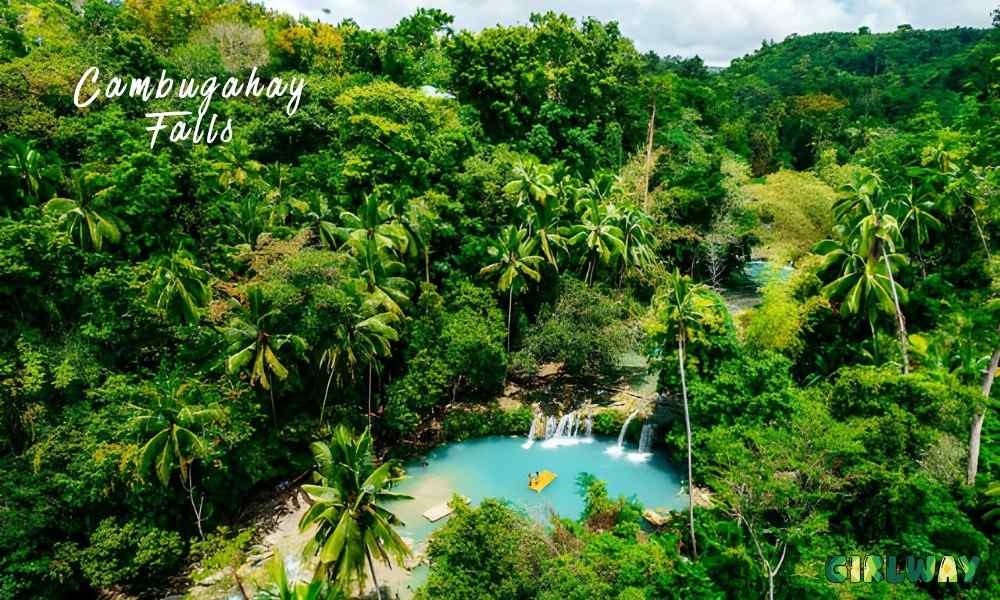
Cambugahay is one of the most loved falls in Siquijor. It opens into three levels of clear, blue-green water below. Back in 2016, it felt like a simpler waterfall stop. Now, the place shows how fast tourism can shape nature.
The famous rope swing tied to a tree draws most people first. Around it, you now see bamboo structures, marked pathways, and small stalls. They sell food, while plastic chairs and tables fill resting spots. I noticed the speed of change here almost immediately.
Entry is usually 20 pesos per person, which still feels fair. A guide may approach quickly, especially if you are traveling alone. The walk down is a simple walk, though the 100 steps feel warm midday. Even so, the local community clearly benefits from visitors.
Some platforms or swings may cost 50 pesos for all-day use. You will see both locals and tourists enjoying the pools together. People swim, relax, snack, and sometimes open a cold beer nearby. It is more developed than Kawasan, but still very fun.
If you are already passing Lazi, it is an easy stop. I would pair it with quieter places like Locong Falls later. That contrast helps you enjoy the energy without getting tired. For me, Cambugahay works best early, before the crowds build.
A Quieter Stop at Lugansen Falls
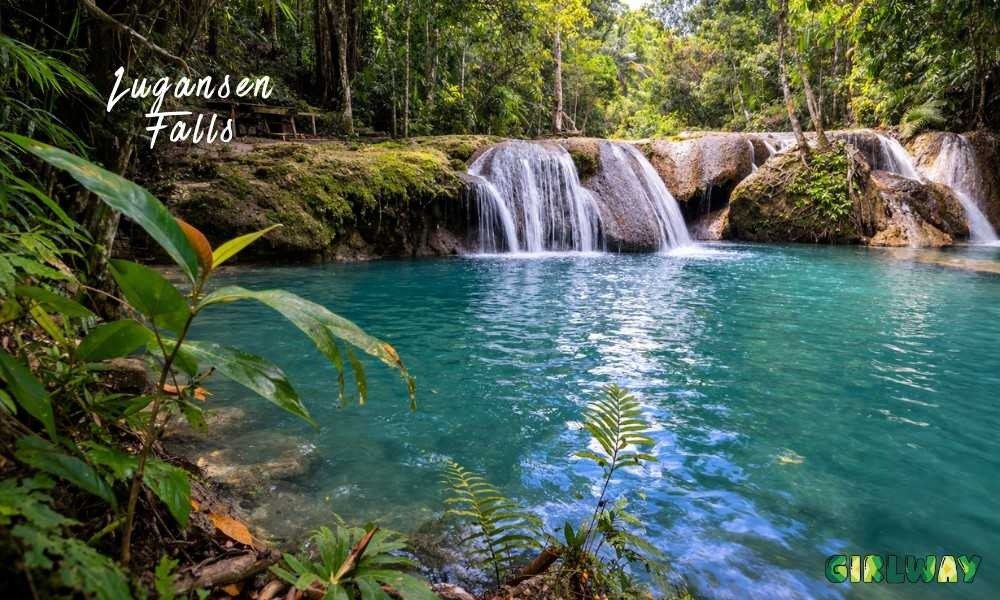
These falls can feel truly amazing when conditions are right. But they can also turn completely dry in some periods. Sometimes the water gets diverted by nearby farmers for rice crops. That can change the whole experience very quickly.
So always check before you go and ask around first. A local tricycle driver usually knows the latest conditions well. I always suggest doing that to avoid wasted time. It is one of those places that depends on timing.
When the main flow is weak, the man-made pools still look nice. Even then, some travelers leave with a sense of disappointment. That is the risk with dry waterfalls during hotter or drier weeks. For me, it is best treated as a flexible stop.
A Meaningful Stop at Lazi and Beyond
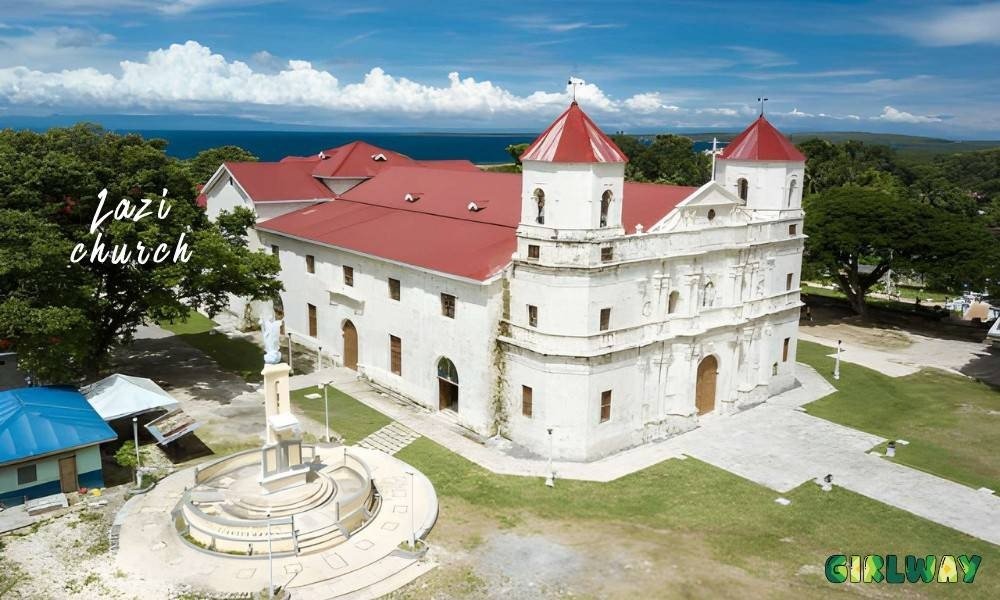
In Lazi, a quiet small town, many travelers simply drive through. Most are heading to Cambugahay Falls without stopping for long. That is a mistake, in my view, because the area matters. It shows a deeper side of Siquijor beyond beaches.
The San Isidro Labrador Parish Church dates back to 1884. It was built with coral stone and local hardwood, which still stand strong. The old convent sits across the road from the church. Together, they form one of the island’s most striking landmarks.
The convent is the largest of the Spanish Colonial era in the region. It now includes the Siquijor Heritage Museum, which feels worth a visit. I liked how the space explains faith, history, and island life. It adds context that many beach-only trips miss.
Several old churches across Siquijor Island deserve more attention, too. In San Juan, smaller churches feel simple but locally important. Near Siquijor town, the Welcome to Siquijor sign draws quick photos. Close by, Saint Francis de Assisi church gives the town center character.
Favourite restaurants on Siquijor
A Meal Worth Planning For
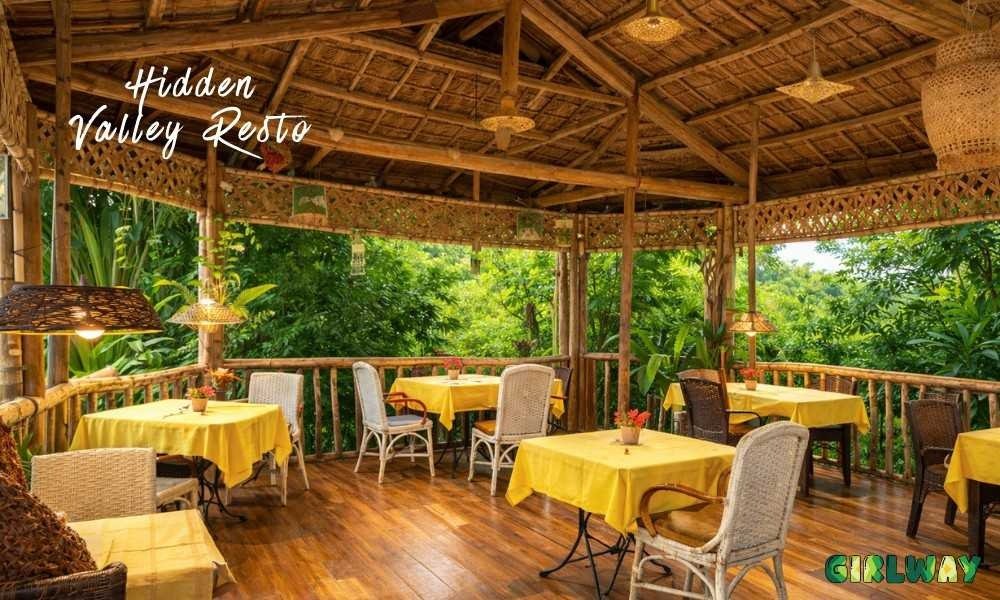
Hidden Valley Resto was easily my best restaurant pick on the entire island. It stood out not only for food, but for atmosphere too.
The place feels special because it is true dining with a view. I remember slowing down there more than expected.
The restaurant is run by a Swiss owner and his Filipino wife. That mix gives the place a warm and thoughtful character.
You can also feel the hand of a professional chef in detail. For me, it is one of Siquijor’s most memorable food stops.
An Easy Dinner Pick in Siquijor
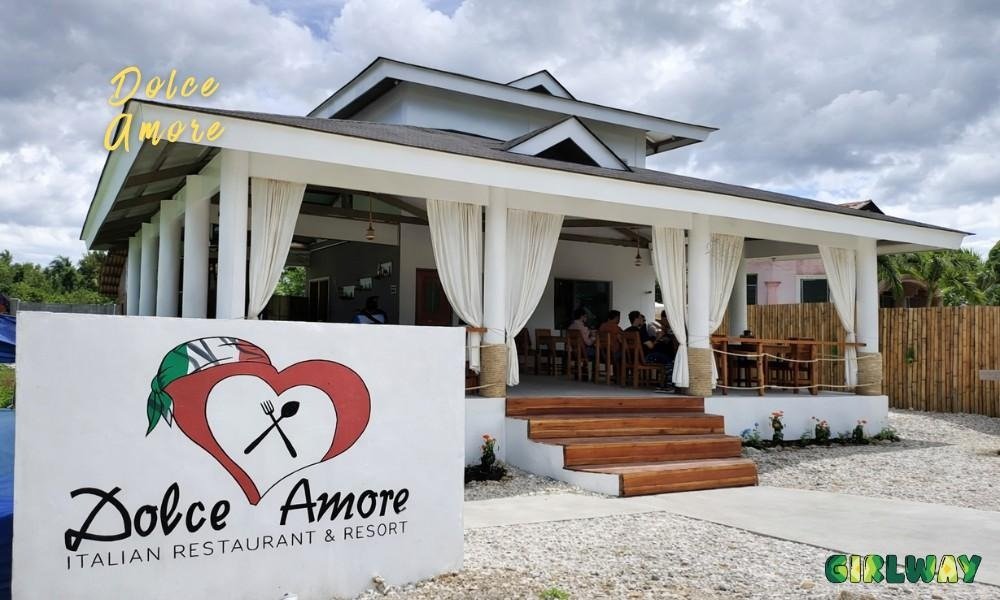
Dolce Amore is an authentic Italian restaurant that feels surprising on a tropical island. That contrast is exactly why it stands out. In my experience, places like this only work when the food is genuinely good.
By 5 pm, the place can already feel busy and full. I strongly suggest getting booked in advance if you want a table. In almost every Siquijor travel guide, it appears as a must-visit food stop.
Over time, Dolce Amore has become a real island institution. It is one of those places people mention again and again. For me, it is an easy recommendation after a long beach day.
A Fun Food Stop in Siquijor
NekNek Pinktastic Bistro is one of the most pinktastic places on the island. The look is playful, bright, and hard to miss. But beyond the design, the food is what makes people stay longer.
I also liked the owners, who made the place feel warm and easygoing. That personal touch matters more than people expect. And yes, it had the cleanest restaurant bathroom I have seen in Asia.
A Worthwhile Stop Up North
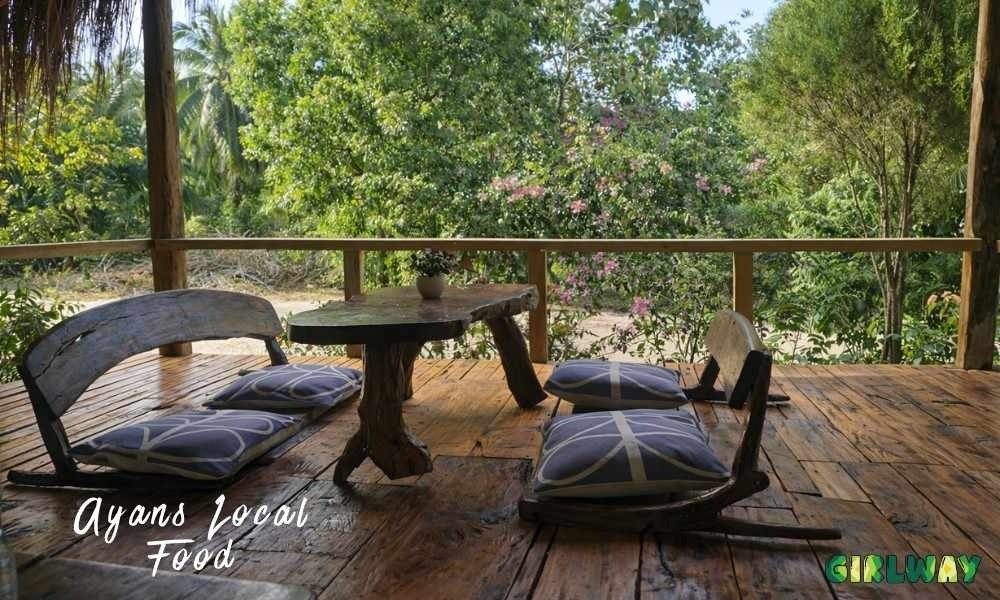
Ayans Local Food is one of those places worth planning around. If you trek up north, it makes a very satisfying stop. I liked that it felt simple, local, and genuinely relaxed.
The menu focuses on delicious local food with real home-style flavor. I still remember the banana blossoms, which were better than expected. Places like this often stay with you longer than trendy cafés.
They also offer massages, but it is smart to book a prior appointment. I had one there, and it was my best massage in a long time. After spending weeks in Thailand, that still surprised me.
A Reliable Food Stop in Lazi
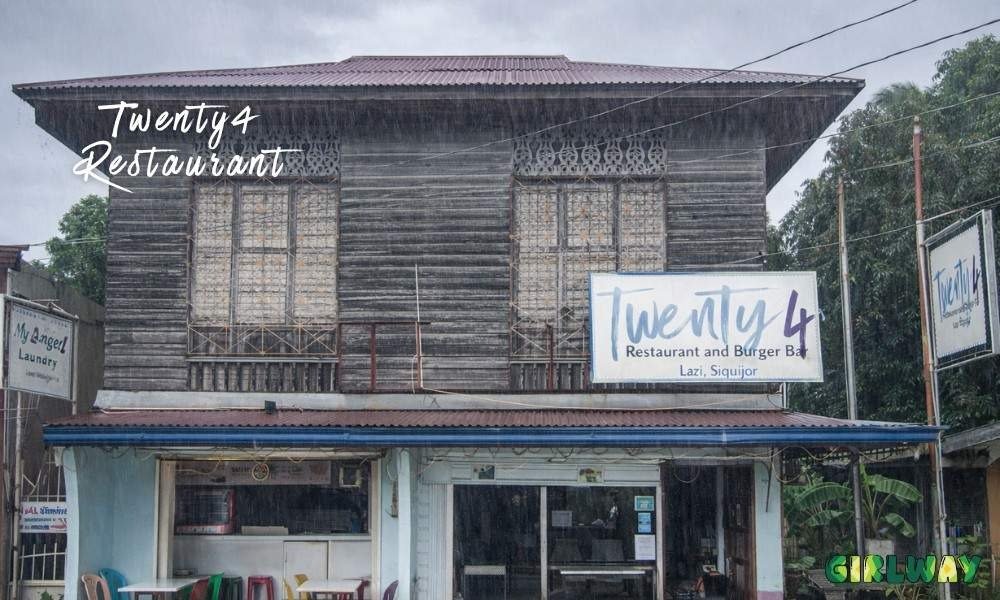
Twenty4 Restaurant in Lazi is a place I would return to. It also has a second location, which exists for a good reason. The place gets remembered because of the great food and good prices.
It is also linked with the Burger Bar, which many travelers know. I liked how both spots feel connected by the same care. You can sense that owner Hans has a clear vision behind it all.
The Feel of Siquijor
Siquijor feels quieter and more real than many popular islands in the Philippines. It is still less touristy, so the pace stays softer. You notice quickly that international tourism has not changed everything here.
The island draws more backpackers than holiday tourists most days. I also met plenty of chill travelers and even some hippie types. That mix gives the place a slower rhythm and easier mood.
You still find simple stays with a very raw appeal. There is a strong natural side here that feels untouched. At the same time, there are good resorts and a few nice hotels too.
Places like Coco Grove Beach Resort add comfort without changing the island too much. Compared with Bohol, Cebu, or even Siargao, Siquijor feels more authentic. It is not overly polished, and that is what makes it special.
What I Loved About Siquijor
- What stayed with me most was the untouched beaches.
- The quiet coastline felt calm from morning to dusk.
- I liked that there were no big resorts everywhere.
- There were no endless rows of restaurants either.
- That gave more space to the island’s culture.
- You feel it in stories about local healers and daily life.
- The mix of mountains, old beliefs, and spirits felt real.
- Even talk of black magic adds character, not just mystery.
- The inland side also surprised me with beautiful waterfalls.
- Cambugahay Falls stood out most during my time there.
- The famous rope swings looked fun but not forced.
- I enjoyed swimming more than I expected.
- What I loved most was the less touristy atmosphere.
- It never had that heavy commercial feel I noticed elsewhere.
- Compared with Cebu and Bohol, it felt softer.
- It felt slower, simpler, and easier to connect with.
- I also found some of the best Filipino food here.
- A small local eatery often beats flashy places on islands.
- I still remember meals at Roadside Diners.
- The dishes were flavorful and satisfying after long island days.
- Siquijor also works well as an affordable island destination.
- The mix of activities, accommodation, and food stays practical.
- For me, it felt naturally budget-friendly without cutting experience.
- I could enjoy more while avoiding overspending.
The Parts I Struggled With
The worst part for me was the power cuts during Holy Week. There was load shedding with three hours of power, then three hours without. This happened all day long, which made the island feel harder. It was especially rough while working each day remotely.
At times, there was no Wi-Fi, no fan, and no charging at all. That quickly became exhausting and deeply frustrating for daily work. It is one of the downsides of a more or less touristy place. A less developed island often comes with that kind of trade-off.
I also noticed that some cheap places were great value, while others were not. A few overpriced restaurants served only an average meal, which felt disappointing. On a chill island and a simple island like this, I expected lower prices overall. That gap surprised me more than I thought it would.
Who Suits Siquijor Best
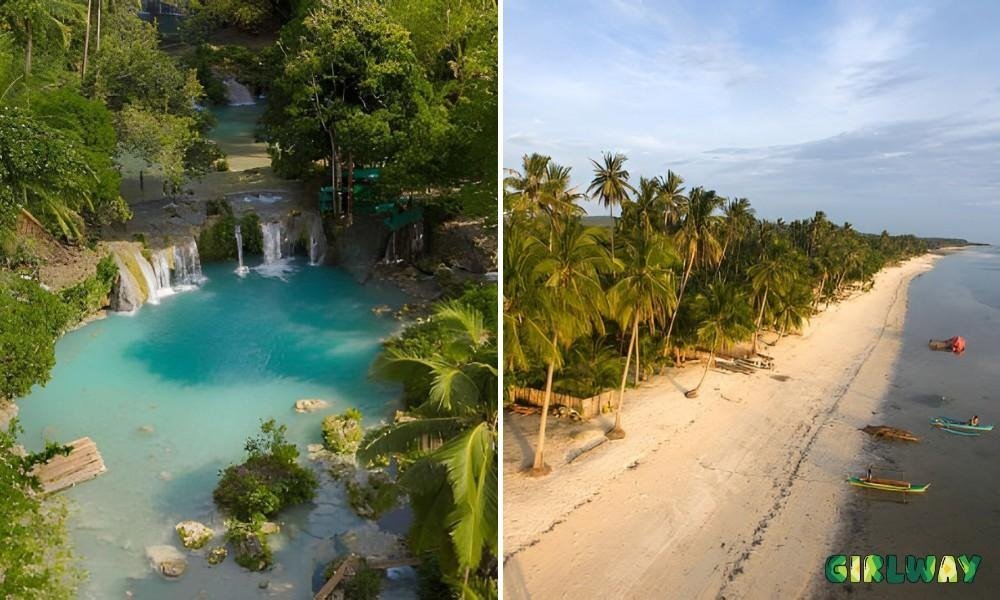
If you love nature, waterfalls, and quiet beaches, you may love it. If mystery and culture matter too, Siquijor feels even richer. I think it suits backpackers and solo travelers especially well. The island feels less polished, but stronger in its local side.
That is why it stands out in the Philippines for certain travelers. If you can handle power cuts and slower Wi-Fi, it works better. It also helps if you are happy using a scooter daily. People wanting resort-style pampering may not find it so fantastic.
You can still get air-con rooms, but not endless extras. Do not expect big hotel buffets like in Cebu or Bohol. If you want smooth luxury, this may feel too chill. It is charming, but also a bit rough around the edges.
For a digital nomad with a proper work schedule, it is harder. During Holy Week, load shedding can mean three hours with power. Then you get three hours without, sometimes all day long. With few work-friendly cafés or coworking spots, only flexible work suits a laptop life here.
Siquijor or Another Island?
If you are planning your trip through the Philippines, think about your style first. For backpacking, Siquijor is absolutely worth adding to any flexible itinerary. For the right traveler, it is 100% worth it, and nearly a must-visit stop.
It became my favorite island after one other, so it ranks second. Between Bohol and Cebu, Siquijor often quietly wins for me. Still, if you have a tight schedule, choices become harder. In that case, you may need bigger highlights fast.
For raw beauty, Palawan offers truly insane scenery from the start. Places like El Nido, Coron, and Balabac feel more dramatic instantly. If you want energy, Siargao brings a stronger surf culture and social vibes. Even so, Siquijor is the place I most want to go back to.
