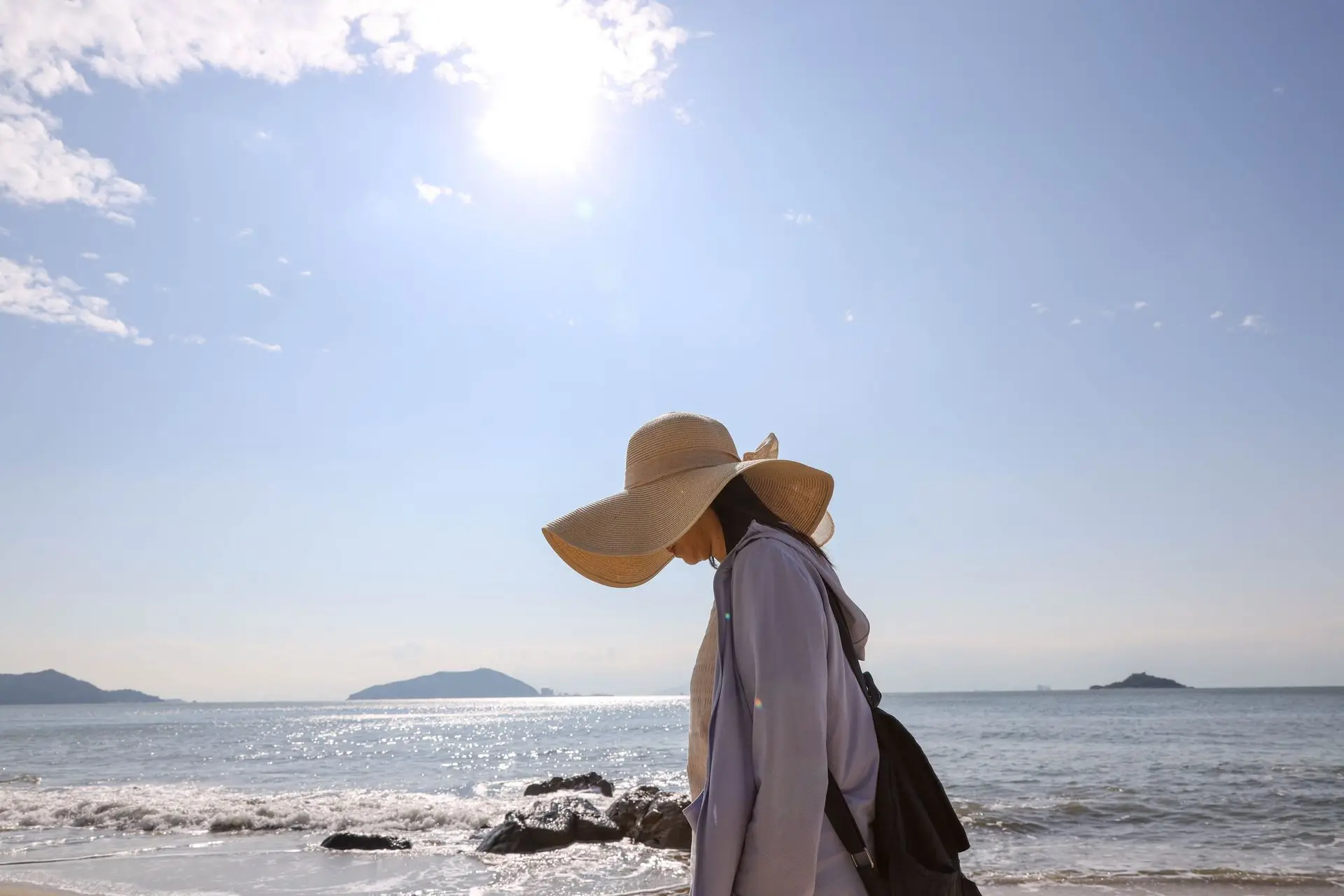
Winter travel splits into two trips: the warm escape and the snowy one. What follows is both: the places, the packing, the safety and the costs in one place. The solo female travel safety tips on this site cover the precautions; the winter hub ties the seasonal posts together.
The month lists live in their own posts: the December list and the January list cover the two months in detail, the warm winter destinations post ranks the ten warmest places, and the cheap destinations post carries a daily budget for every place. The winter hub is the overview, not a repeat of those lists.
Key takeaways
- Warmest in winter: Thailand, Costa Rica and Bali, all around 31 degrees.
- Bali is warm but wet in winter: pack for rain, not just sun.
- Winter packing is layers, waterproofs and proper boots, not a bigger bag.
- Check the insurance before winter sports: the adventure add-on is $10.
The short answer
Solo female travel in winter works best when the trip is chosen by what the cold is for: a warm escape to Thailand, Costa Rica or Bali at about 31 degrees, or a snowy trip to a resort town with layers, waterproofs and proper boots. Pack light, insure the trip, and check the safety guide for each place.
Warm escapes: where winter feels like summer
The warm escapes are the top of the winter list: Thailand, Costa Rica and Bali at about 31 degrees, then Aruba, Dubai, Hawaii and the Bahamas in the high 20s. Every temperature is a long-term average for December, not a forecast.
Thailand: Bangkok and Chiang Mai
Thailand is dry across the north and the Andaman Coast in winter, though the Gulf coast is wet until January. Bangkok averages 31 degrees by day and 22 at night, Chiang Mai runs 28 to 29 degrees by day with cool nights near 15 to 17, and the Andaman Coast has calm seas and clear water from November to April. The Thailand safety guide covers the safety picture, and the daily budget runs $30 to $45. Winter is the busiest season, so book the stay early.
Costa Rica: the Pacific coast
Costa Rica’s dry season runs December to April, and Tamarindo on the Pacific coast averages 31 degrees by day with the sea at 28. It is among the warmest places on this list, alongside Thailand and Bali, and the dry season means the roads and the trails are at their best. The Costa Rica safety guide covers safety and the emergency number.
Bali: warm but wet
Bali averages 31 degrees in winter, but December is its wet season, and January is the wettest month of the year. It is warm, not dry, so the trip needs a rain plan: a waterproof jacket, indoor options for the wettest afternoons, and a stay that is comfortable in the rain. The Bali safety guide covers safety, and the daily budget runs $30 to $50.
Dubai: warm and dry
Dubai averages 27 degrees by day in December, with nights at 17 and about three rainy days in the month. It is the driest of the high-20s tier. The Metro and the dress code are the two things to plan for, and the Dubai safety guide covers the precautions.
Aruba: the warmest Caribbean island
Aruba averages 29 degrees in winter, with the sea at 28, and it is the warmest island in the Caribbean on this list. The trade winds keep the heat comfortable, and the island sits outside the hurricane belt, so winter storms are rare. It is also the second-wettest of the warm tier, after Bali, with about 11 rainy days in December, so the rain is frequent even when it is brief. There is no Aruba guide on this site yet, so the solo female travel safety tips are the starting point.
Hawaii and the Bahamas
Hawaii averages 28 degrees on Maui and 27 in Honolulu, with the sea at 26, and winter is whale season, with humpbacks arriving from December and staying through spring. The Bahamas averages 26 degrees in Nassau, with the sea at 25, but winter is the busiest season, so the beaches are fuller than in the summer months. There is no site guide for either yet, so the solo female travel safety tips are the starting point for both.
Lisbon is a mild European escape at about 15 degrees in December, with trams, hills and the old town to walk. The Lisbon stays guide covers where to base yourself.
Snowy escapes: where winter is the point
A snowy winter trip is a different kind of travel from a warm escape, and it needs a different kind of planning. The draw is the snow itself: a resort town, a winter city, or a mountain village, with days built around the snow and evenings built around warmth.
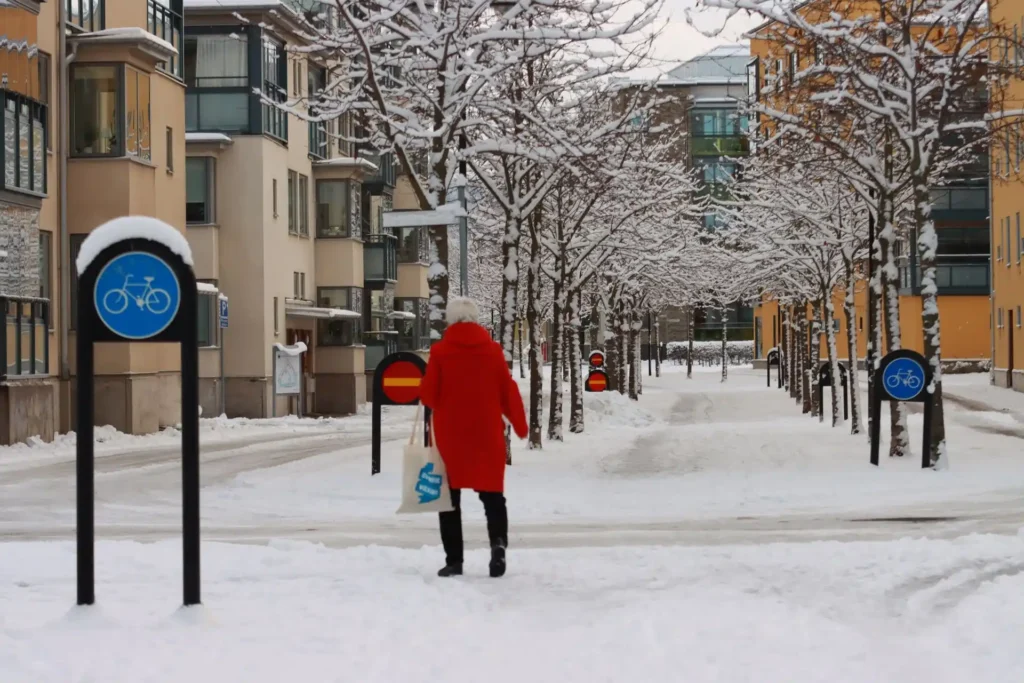
Chamonix is one of the winter destinations other lists name, and it is the shape of the trip that matters more than any single place: a compact town, a short walk to the slopes or the trails, and a stay that is comfortable in the cold. The snow is the reason to go, and the town is the reason the trip works for a solo woman: everything close, everything walkable, and a warm place to come back to.
Iceland is the snowy escape with a guide on this site: Reykjavik, the Golden Circle and the Blue Lagoon, with about four to five hours of daylight in midwinter and temperatures around freezing. The Iceland safety guide covers the precautions, the driving and the daylight.
The packing is the make-or-break part. Layers beat one heavy coat, waterproof boots beat fashion boots, and a proper base layer matters more than an extra jumper. Daylight is short in winter, so plan the day around the light: out early, back before dark, and the evening for the town. The carry-on packing list covers the bag, and the winter items are the additions to it.
A snowy trip is also the quietest kind of winter travel, so plan the company as well as the trip. A group ski lesson or a hostel social puts you with other travellers on the first day, and a snowy town is easier to meet people in than it looks: everyone gathers in the same warm places after dark.
Christmas markets are the other reason for a snowy trip: the German and French markets run from late November, with stalls, lights and mulled wine, and the town itself is the evening. Go for the market, stay for the walk home through the old town.
What to pack for winter travel
The winter bag is built on layers, waterproofs and proper boots, not on a bigger bag. The carry-on list still applies in winter, and the additions are few but important: a waterproof jacket, a warm base layer, a hat and gloves, and boots that grip on ice.
A power bank matters more in winter, because cold drains phone batteries faster, and a paper copy of the stay’s address matters because a dead phone in the cold is a real risk. Pack the chargers in the personal item, not the cabin bag, so they are in reach on the plane and on the bus.
For a warm escape, the packing is the summer list plus one warm layer for the evenings and the air conditioning. For a snowy trip, the packing is the winter list, and the bag is the same carry-on: the layers compress, the boots are worn on the plane, and the coat is the one heavy item. The carry-on packing list shows how the bag is built.
Pack sun protection even for snow: the winter sun burns too, and snow reflects it back at your face, so sunscreen and lip balm belong in the day bag, not at the bottom of the case. A small tube costs little and weighs nothing, and it is the item most winter travellers forget until the first red nose.
Staying safe in winter
Winter adds two risks to the safety picture: the cold and the dark. The cold is a packing problem, and the dark is a planning problem. Walk the neighbourhood in daylight before going out at night, keep the phone charged and warm, and tell the stay where you are going when the trip is a day out in the snow.
The solo female travel safety tips cover the rest, and the safety guide for each place covers its own picture. The dark is the one winter risk that packing cannot fix, so the plan is the fix. Daylight for the new streets, and the evenings for the places already walked.
Insurance matters more in winter than in summer, because winter sports are the one activity most policies exclude by default. The best travel insurance guide covers the comparison, and SafetyWing’s adventure sports add-on costs $10. Check the cover before booking the ski lesson, not after the fall.
Arrive with a plan: land in daylight where you can, pre-book the transfer from the airport, share your live location with one person at home, and use licensed taxis or ride-hailing after dark. Check in, walk the street outside in daylight, and find the nearest pharmacy and supermarket before dark.
What winter travel costs
Winter travel costs from $20 to $250 a day, depending on the place and the style. The cheapest winter days are Laos at $20 to $30 and Nepal at $20 to $40 a day, then Vietnam at $25 to $40, all backpacker figures for a hostel, local food and local transport.
Her Solo Journey, writing in October 2026, gives a solo winter-sun cost of roughly $40 to $250 a day, which covers the same range from hostel to comfortable hotel. The cheap destinations post carries a daily budget for every place on its own list. The range is wide because winter is two trips: the cheapest warm escape and the priciest snowy resort sit at opposite ends of it.
Book the Christmas and New Year week first if that is when you travel: it is the dearest week of the winter and the stays go first. The cheapest winter weeks are early December and mid-January, after the holidays, when the same room costs less and the crowds thin. Book the first nights in advance and leave the rest flexible.
The snowy side has one cost the warm side does not: the gear. Lift passes, ski or board rental and lessons sit on top of the bed and the food, and they are the reason a snowy resort day costs far more than a warm beach day. Rent the gear at the resort, and book the lessons in advance.
At a glance
The winter shortlist, with its warmth and the guide to read next, is one look away. Warmest first is Thailand, Costa Rica and Bali, all around 31 degrees; the snowy side is a packing and planning question, not a place list.
| Place | Winter warmth | The site’s guide |
|---|---|---|
| Thailand | 31C, dry | Thailand safety, December list, January list |
| Costa Rica | 31C, sea 28C, dry season | Costa Rica safety, December list |
| Bali | 31C, wet season | Bali safety |
| Aruba | 29C, sea 28C | No guide yet, safety tips hub |
| Dubai | 27C, 3 rainy days | Dubai safety |
| Hawaii | 27-28C, sea 26C | No guide yet, safety tips hub |
| Bahamas | 26C, sea 25C | No guide yet, safety tips hub |
| Morocco | Agadir 22C, Marrakech 20C | Morocco safety, Morocco wear |
| Madeira | 20-21C, sea 19-21C | No guide yet, safety tips hub |
| Malta | 17C | No guide yet, safety tips hub |
How this guide was made
Research-based. No trip is claimed. Winter temperatures are long-term averages (10-year averages of daily highs) from multiple consistent sources, checked 23 November 2026. Daily budgets are converged ranges from the Backpacker Cost Index (backpackingislife.com, updated 10 November 2026), cross-checked against packzup, traveladdict, helloroam, backpackerswanderlust, mindlesstraveller and hostelz. No advisory dates are given; the safety picture for each place lives in its own guide.
FAQs
Thailand, Costa Rica and Bali lead at about 31 degrees each, with Aruba next at 29, Dubai at 27 and Hawaii at 27 to 28.
No. Bali is warm at 31 degrees but December is its wet season, and January is the wettest month of the year. Bring a waterproof jacket and indoor options for the wettest afternoons.
Layers, a waterproof jacket, a warm base layer, a hat and gloves, and boots that grip on ice. The carry-on packing list on this site shows how the bag is built, and the winter items are additions to it.
Yes, with the usual precautions plus two winter ones: walk a new neighbourhood in daylight before going out at night, and keep the phone charged and warm. The safety tips hub covers the rest.
From $20 to $250 a day, depending on the place and the style. The cheapest winter days on this site’s lists are Laos at $20 to $30 and Nepal at $20 to $40 a day.
Yes. Most policies exclude winter sports by default, so check the cover before booking the ski lesson. SafetyWing charges $10 for its adventure sports add-on.
The winter hub covers warm and snowy escapes, packing, safety and costs in one place, and links the December list, the January list, the warm winter destinations and the cheap destinations instead of repeating them.