Where to Stay in Istanbul as a Solo Female Traveller: The Short Answer
Sultanahmet is the best first base in Istanbul for a solo female traveller, because the Hagia Sophia, the Blue Mosque and the palace are all on foot, the T1 tram is at the door, and the streets around the sights stay busy and well-lit into the evening. Karakoy and Galata are the best evenings base, with walkable, well-lit streets, cafes, galleries and rooftop views, and Kadikoy and Moda, across the water on the Asian side, are the best local base, with a market district, a food scene and a relaxed crowd. The US State Department rates Turkey Level 2, exercise increased caution, with the advisory issued on 9 June 2026, and Istanbul is not in any Level 4 zone. The one area to plan carefully is taxis, because meter games are the single most common tourist complaint in the city.
What the Advisories Say About Istanbul
The advisories agree on the shape of the risk, and Istanbul sits on the safe side of it. The US State Department rates Turkey Level 2, exercise increased caution, with the advisory issued on 9 June 2026, and the only Level 4 zone in the whole country is the strip within 10 km of the Syrian and Iraqi borders, more than a thousand kilometres from Istanbul. For the Turkey-wide picture, including the border zones and the practical safety detail, read our Turkey safety guide. The emergency number in Turkey is 112, a single number for police, ambulance and fire, and the Tourist Police number is +90 212 527 4503, with an office in the Sultanahmet area near the Hagia Sophia. Violent crime against tourists is rare, and the real risks are the taxi meter games and the pickpockets on crowded trams.
Sultanahmet: The Best First Base
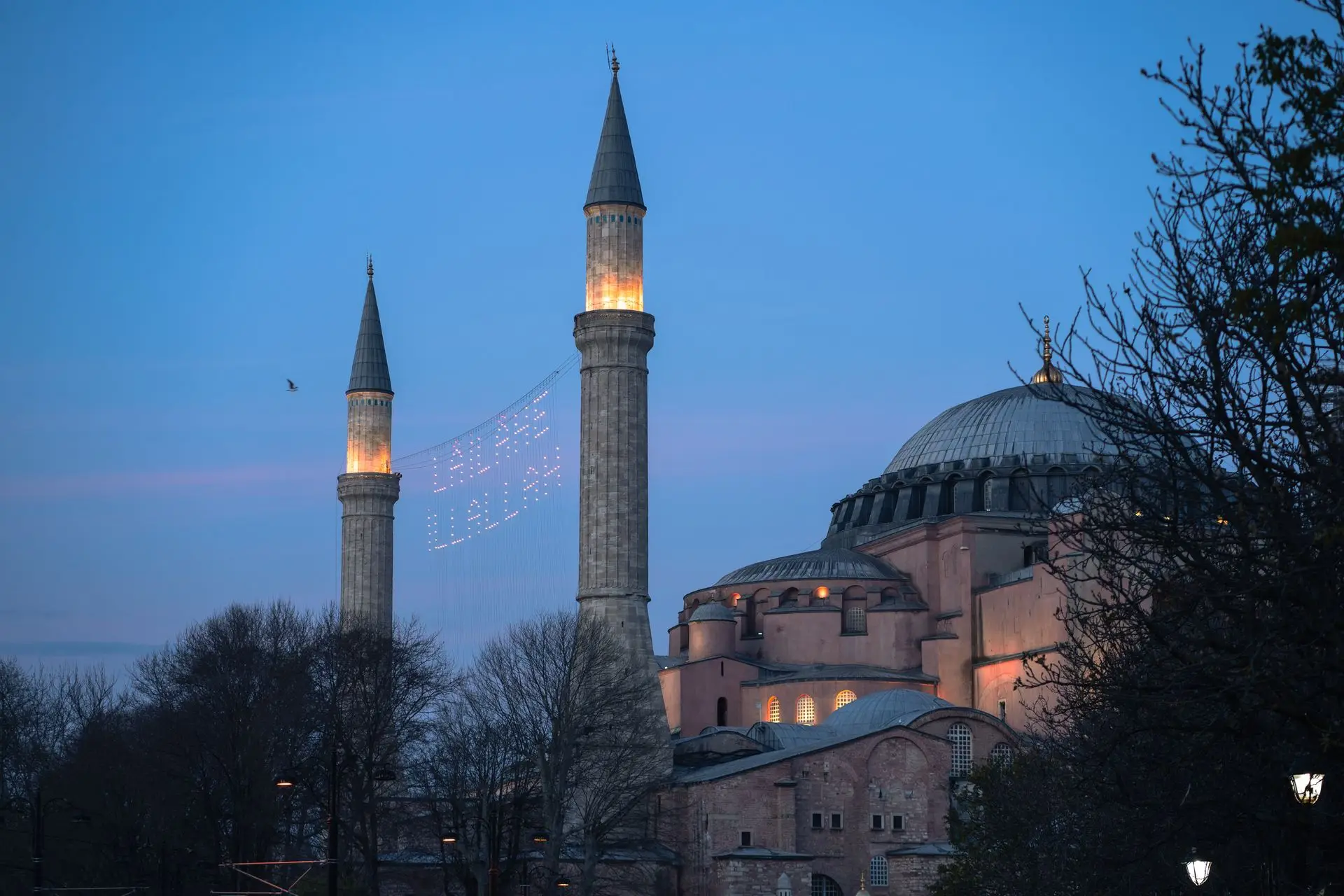
Sultanahmet is the best first base for a first visit to Istanbul, and it is the base to pick when the trip is short or it is a first time in the city. The Hagia Sophia, the Blue Mosque and the Topkapi Palace are all on foot from here, the T1 tram stops at the door, and the streets around the sights stay busy and well-lit into the evening, with restaurants, cafes and other travellers everywhere. A woman alone in Sultanahmet in the evening is one of many people on the same street. The trade-off is that Sultanahmet goes fully quiet late, after about 22:00, and the shop touts around the Grand Bazaar and Sultanahmet are persistent. A 24-hour reception is worth it here, because someone is awake when you come back late.
Karakoy and Galata: The Best Evenings Base
Karakoy and Galata are the best evenings base in Istanbul, and they are the base to pick when the evenings matter as much as the sights. The streets here are walkable and well-lit at night, with cafes, galleries and rooftop views, and the Galata Tower area stays busy into the evening, with people on the same streets a solo woman would use. Karakoy is a short tram ride or a walk across the Galata Bridge from Sultanahmet, so the sights are still easy, and the evenings are the reason to base here, because the area has the restaurants, the bars and the late life that Sultanahmet lacks. The trade-off is the hills around Galata and Taksim, which test your legs, so flat shoes are the practical choice. The area is also busier and noisier than Sultanahmet, with the nightlife running later, and a light sleeper should ask for a room away from the street.
Kadikoy and Moda: The Best Local Base
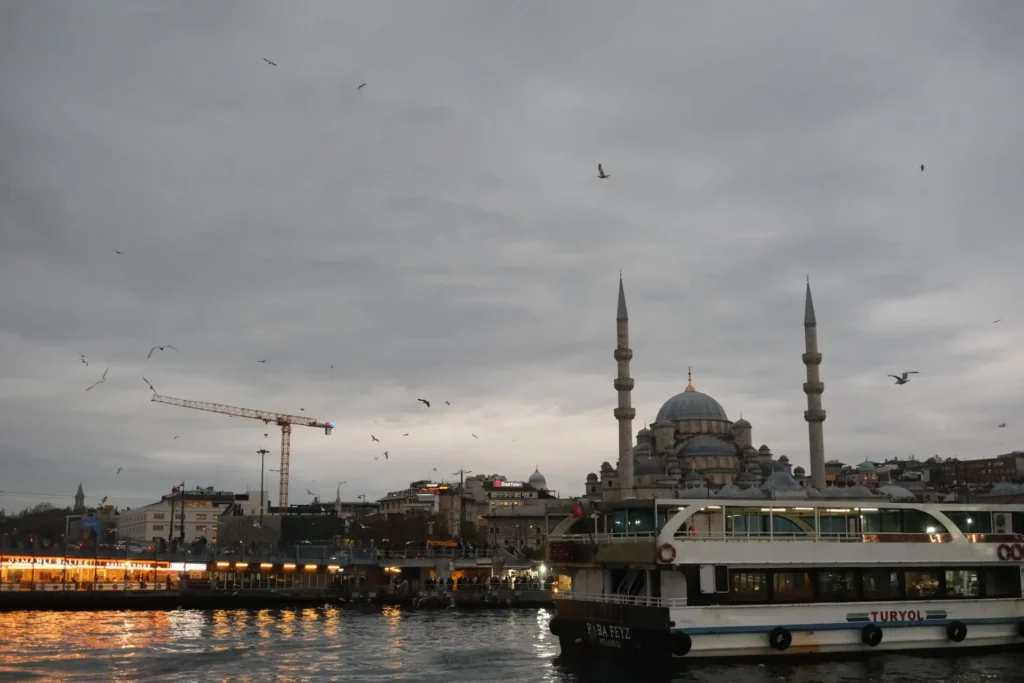
Kadikoy and Moda, across the water on the Asian side, are the best local base in Istanbul, and they are the base to pick when the trip is longer or the traveller wants the city rather than the sights. Kadikoy is a market district with a food scene, a younger crowd and a relaxed mood, and it is very easy for a solo woman, with fewer tourists and a local rhythm. The streets are busy, the cafes are full, and the waterfront is a pleasant walk, with the ferries linking Kadikoy to Eminonu and Karakoy in about 20 minutes, so the Old City is a short crossing away. The catch is the last ferries, which stop before the night ends, so a late return means the Marmaray or a taxi, and that needs a plan before you go out. Check the last ferry time at the pier on the day, because the timetable shifts. For a second stay, or for a traveller who has seen the sights, Kadikoy is the most comfortable base in the city.
Cihangir and Besiktas: The Second-Stay Options
Cihangir is the quiet bohemian pocket above Karakoy, with cafes, an expat presence and calm evenings, and it is the base to pick when the plan is to slow down. The streets are residential and leafy, the cafes are the kind where people sit for hours, and Karakoy is a short walk downhill. The trade-off is the hill, which is steep, and the area is quieter at night than Karakoy, so a solo woman who wants late evenings should base lower down. Besiktas is the busy and local option, with good transport, lively bars and a solid second-stay feel, and it is the base to pick when the trip is longer and the traveller wants a neighbourhood rather than a sight. The ferries and buses from Besiktas link the whole city, and the centre stays busy into the evening. The rule for both is short: pick Cihangir for calm and cafes, pick Besiktas for transport and local life, and pick either only after the first trip.
Where to Be Careful After Dark
The caution areas are small, and they are the reason this section exists. Tarlabasi and Dolapdere, the back streets behind Istiklal, are rough despite the gentrification, and they are the streets to avoid at night, staying on the lit main routes instead, along the Istiklal corridor and across the Galata Bridge. The rule is simple: if a street is dark and empty, turn back to the lit main road. Fatih beyond Sultanahmet is more conservative, not dangerous, but solo women report feeling out of place after dark, so dress shoulders and knees there. The streets that stay safe well into the evening are Istiklal Avenue, the Kadikoy waterfront, the Besiktas centre and the Ortakoy waterfront. Ferries are safe at all hours per the sources checked, and the tram is the safe way home. Keep your phone in a front pocket on crowded trams and at the Eminonu waterfront, because the pickpockets work the crowded spots. Street harassment exists, mostly shopkeeper shouts in Sultanahmet, the Grand Bazaar and parts of Istiklal, and the defence is firm short answers and walking on.
Dress and Day-to-Day in Istanbul
There is no dress code on the streets of Beyoglu, Karakoy or Kadikoy, where locals dress as in any European city, and a solo woman in normal clothes draws no attention. Mosques are the exception: cover hair, shoulders and knees, and scarves are usually available at big mosque entrances, though a light scarf in your bag saves time. The day-to-day habits are the same as any big city: bag zipped and in front of you on crowded trams, nothing in back pockets, and the phone zipped away when you are not using it.
Taxis: The One Area to Be Extra Careful
Taxi overcharging is the single most common tourist complaint in Istanbul, and it is the one area to plan carefully. The classic moves are the driver saying the meter is broken and offering a fixed price three to five times the real fare, a long route that adds distance, a banknote switched for a smaller one, and a claim that your hotel or destination is closed so he can take you somewhere that pays him commission. The hotspots are both airports, Taksim Square, Sultanahmet, Eminonu, Karakoy, the Galata Bridge, the Kadikoy pier and mall exits. The defence, in this order, is the part to memorise. Book in BiTaksi, iTaksi or Uber, because Uber dispatches licensed yellow taxis and both apps log the route. If you hail a cab, insist on the meter before the car moves, say “Taksimetre, lutfen”, and if the driver refuses, step out and take another cab. Follow the route on Google Maps, pay with exact notes and say the amount out loud, and photograph the plate and the driver ID card if anything feels off. For airport arrival and late-night returns, a pre-booked fixed-price transfer removes the situation entirely.
Hamams: How They Work for Women
Traditional Istanbul hamams are never mixed, and that is the first thing to know. They run either separate women’s sections or time-separated schedules, often with women in the morning and afternoon, commonly 8am to 4pm or 9am to 5pm, and men in the evening, and women are attended by female staff, called natir. The ritual is simple: change in a private cabin, wrap in the pestemal, the thin cotton wrap provided, sit in the hot room to sweat for 10 to 15 minutes, scrub on the marble slab, the gobek tasi, then soap, rinse, and rest in the cooling room with tea. The whole visit runs 60 to 90 minutes, sometimes 2 to 2.5 hours with the cool-down. Call the day before, because schedules shift, Ramadan flips them, and weekends sometimes flip them. Book ahead for a private room or a particular hour, and ask in advance and confirm in writing that attendants will be women. Swimwear or underwear under the pestemal is accepted, and full nudity is not the custom in shared rooms. Do not shave on the day, because the kese scrub hurts freshly shaved skin. Eat lightly, drink water before and after, with no heavy meal or alcohol beforehand. The heat is a real strain, so ask a doctor first if pregnant or with a heart condition or high or low blood pressure, and tip in cash.
Getting Around and Emergencies
Getting around Istanbul is straightforward. The T1 tram serves Sultanahmet and runs through the Old City, the ferries link Kadikoy to Eminonu and Karakoy in about 20 minutes, and the Marmaray links the Asian side when the ferries stop, so the city is connected by water and rail. Istanbulkart is the transit card, and it works across the tram, the metro, the ferries and the buses, so one card covers the whole city. The emergency number is 112, a single number for police, ambulance and fire, and the Tourist Police number is +90 212 527 4503, with an office in the Sultanahmet area near the Hagia Sophia. If Cappadocia is next on the trip, read our Cappadocia guide, because the balloon region is the easiest part of Turkey for solo women. The best season for Istanbul is April to June and September to October, with the crowds thinner and the heat lower, and the winter is the quiet season, with the city at its calmest.
FAQs: Where to Stay in Istanbul as a Solo Female Traveller
Sultanahmet is the best first base, because the Hagia Sophia, the Blue Mosque and the palace are all on foot, the T1 tram is at the door, and the streets around the sights stay busy and well-lit into the evening. Karakoy and Galata are the best evenings base, and Kadikoy and Moda are the best local base on the Asian side.
Istanbul is safe for a woman travelling alone, with the usual big-city habits. The US State Department rates Turkey Level 2, exercise increased caution, and Istanbul is not in any Level 4 zone. Violent crime against tourists is rare, and the real risks are taxi meter games and pickpockets on crowded trams.
Book in BiTaksi, iTaksi or Uber, because both apps log the route. If you hail a cab, insist on the meter before the car moves, say “Taksimetre, lutfen”, and step out if the driver refuses the meter. Follow the route on Google Maps, pay with exact notes, and photograph the plate and driver ID card if anything feels off.
Yes. Traditional hamams are never mixed, running separate women’s sections or time-separated schedules, with women attended by female staff. Call the day before to confirm the women’s hours, book ahead, and confirm in writing that attendants will be women.
There is no dress code on the streets of Beyoglu, Karakoy or Kadikoy, where locals dress as in any European city. Mosques require covering hair, shoulders and knees, and scarves are usually available at big mosque entrances. In Fatih and Eyup, longer sleeves draw fewer looks.
Take the ferry by day, about 20 minutes to Eminonu or Karakoy, and the Marmaray when the ferries stop, because the last ferries end before the night does. Check the last ferry time at the pier on the day, and plan a late return by Marmaray or taxi before you go out.
The emergency number in Turkey is 112, a single number for police, ambulance and fire. The Tourist Police number is +90 212 527 4503, with an office in the Sultanahmet area near the Hagia Sophia.