
Is Morocco Safe for Solo Female Travellers? The Short Answer
Yes, generally. Morocco is safe for women travelling alone, and thousands do it every year, but the honest answer is different from Japan or Portugal. Violent crime against tourists is rare. The real challenge is discomfort, not danger: verbal harassment and persistent attention in the busiest medinas, pushy touts, and scams built around overcharging. With modest dress, a firm no, a good riad and a plan for the first day, Morocco is absolutely manageable. This guide gives you the honest version, city by city, so you can plan with confidence instead of worry.
What the Official Advice Says
The US State Department carries Morocco at Level 2, “Exercise Increased Caution”, in 2026. The advisory was reissued on 3 September 2026. Level 2 is the second of four levels, and it is the same level the United States applies to France, Germany, Italy, Spain and the United Kingdom. The reason given is terrorism: the advisory says terrorist groups continue plotting possible attacks and could target tourist locations, transport hubs, markets and shopping malls. What it does not say matters too. There has not been a terrorist attack targeting tourists inside Morocco since 2011, and Moroccan security forces have consistently disrupted plots before they materialise.
The UK Foreign Office advises against travel to no part of Morocco, and Canada asks travellers to exercise a high degree of caution. The one area every advisory names separately is the border region: avoid the Western Sahara border areas and the zone within 20 kilometres of the Algerian border, where there is a heavy military presence and an unstable security situation. Those areas are not on any normal tourist itinerary. The practical meaning of Level 2 is simple: stay alert in crowded tourist areas and transit hubs, avoid demonstrations, and enrol in the US Smart Traveler Enrollment Program, known as STEP, so the embassy can reach you in an emergency. It does not mean travel should be avoided or postponed.
Morocco expects around 17.5 million tourists in 2026 under the official tourism roadmap, and the country is one of the most stable and peaceful in North Africa. Tourist Police, called the Brigade Touristique, are very present in Marrakech, Fes and the major UNESCO sites. The scale of tourism is the point: millions of visitors, including thousands of solo women, travel here every year and come back.
Safest Places in Morocco for Solo Women
Morocco is not one safety level. It changes by city, and the difference between the calm towns and the intense medinas is the whole story. These are the places that work best, especially for a first trip.
Essaouira: the calmest start
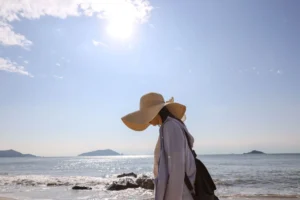
Essaouira is the best place to start a solo trip to Morocco. The Atlantic coast town is relaxed, walkable and far less intense than Marrakech. The medina is small enough to learn in a day, the beach is long and open, and the seafood restaurants on the harbour are made for slow solo lunches. Solo women consistently name Essaouira as the easiest place in the country to be alone. If Morocco feels like a lot, start here for two or three nights and build your confidence before the bigger medinas.

Chefchaouen: the blue town
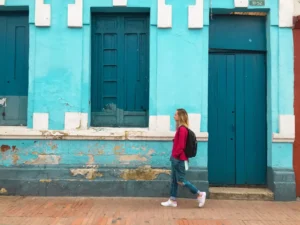
Chefchaouen, the blue town in the Rif mountains, is the other gentle start. The streets are quiet, the pace is slow, and the attention that wears women down in Marrakech is much lighter here. It is a small town, so two days is enough, and it pairs well with Fes on the way south. Come for the calm, the mountain air and the photographs, and use it as a soft landing before the intensity of the big cities.
Agadir and the coast: easy and modern
Agadir is the modern resort city on the Atlantic coast, and it is the most straightforward place in Morocco for a solo woman. Wide boulevards, a long beach promenade, resort hotels and far fewer touts than the old medinas. It suits women who want sun and sea without the sensory overload of the souks. It is not the most atmospheric city in Morocco, but it is the easiest, and that counts for a first trip.
Marrakech and Fes: wonderful, and intense
Marrakech and Fes are the cities everyone wants to see, and they are safe for solo women, but they are loud. Most of the calling out happens on Jemaa el-Fnaa square and in the souks around it in Marrakech, and in the deep lanes of the Fes medina. The first evening can feel like a lot. Serious crime is rare, and the pressure is about selling, not harm. It falls away the moment you turn into a residential lane or the door of your riad closes behind you. When the medina gets too much, there are calm places close by: Le Jardin Secret sits right inside the Marrakech medina, and the Majorelle Garden is a short taxi ride away. Go to both cities, but go with a plan, and do not make either one your first night in the country.
Where to Be Extra Careful
Three things deserve a clear warning, not a vague one.
Verbal harassment and persistent attention
Verbal harassment and persistent attention happen, especially in the busiest parts of the Marrakech medina. It usually comes in the form of catcalling or persistent vendors, and it is tiring rather than dangerous. What helps is simple and it works. Dress modestly, with shoulders and knees covered, in loose light fabrics. Walk with purpose, even when you are unsure of the way. Give firm, short answers. You do not owe anyone a conversation. A firm “La, shukran”, which means “No, thank you” in Arabic, while keeping eye contact, is usually enough to stop a persistent tout. Some women wear a wedding ring, even if they are not married, and find it reduces unwanted attention. Decide before you land how you will respond, know your route for the first day, and know where you will rest when you need a break.
Touts, fake guides and the “closed today” trick
The classic trick in the medinas is someone telling you the place you are heading to is closed today, and offering to take you somewhere better. The somewhere better is usually a carpet shop or a cousin’s shop, and the walk ends with pressure to buy. Check with your riad before changing plans, and book guides through your accommodation, never from the street. Other common issues are a taxi without a meter, a price that changes after the service, and an unofficial guide who ends the walk in a shop. Agree the price before you get in or start walking, and walk away when the price changes.
Petty theft in crowds
Petty theft is the other everyday risk, concentrated in crowded tourist zones. Use a closed crossbody bag, protect your phone, and keep valuables divided between your bag and your money belt. Keep your small bag on your lap or between your feet on trains, not above your head with valuables in it. Track your ride on Google Maps, with offline maps downloaded, so you do not panic about missing your stop.
Getting Around Alone
Trains are one of the best ways for a solo woman to cross Morocco. They are run by ONCF, and the Al Boraq high-speed rail runs Casablanca to Rabat to Kenitra to Tangier. First class is worth it for solo women: a Casablanca to Tangier first-class ticket costs around 220 dirhams, the carriages are calmer, and you can sit near women or families. On any train, sit near women or families if you can, and keep your bag close. Buses connect the smaller towns, and the grand taxis that run between cities are shared cars with a fixed price per seat: agree the price before you get in. Inside the cities, use the metered petit taxis for short rides, and agree the fare first if the meter is off. Do not drive at night on rural roads: the real risks in Morocco are the roads, the heat and pickpockets in crowds.
Where to Stay as a Solo Woman
Choose a riad over a large hotel. A riad is a small traditional guesthouse around a courtyard, and its staff know the neighbourhood, can advise on specific streets, and will look out for you. Book one with an airport pickup and a guide for your first day in Fes and Marrakech: those two things change the whole trip. Stay inside the medina in a riad with a staffed door, so the chaos of the souks stops at the threshold. In Essaouira and Chefchaouen, a small guesthouse near the centre works the same way. Whichever you choose, tell the staff your plans for the day. They will tell you which streets to use and which to skip, and that local knowledge is worth more than any guidebook.
Eating Alone in Morocco
Solo dining in Morocco is easy once you know the two rules. First, always use your right hand to drink or eat. The left hand is traditionally considered unclean, and people notice. Second, only drink bottled or filtered water, never tap water, and eat at busy stalls with a high turnover, where the food is fresh and the locals eat. Rooftop cafes overlooking Jemaa el-Fnaa are a great way to soak in the atmosphere of Marrakech without feeling overwhelmed by the crowds below. In Essaouira, the harbour restaurants grill the catch of the day in front of you. Eating alone in Morocco is not something to get through. It is half the trip.
Money, Scams and the Fine Print
Morocco uses the dirham, and cash is king in the medinas. Small shops, market stalls and taxis take cash only, and ATMs are easy to find in the cities, so carry small notes and change. Agree every price before the service starts: a taxi ride, a guide, a carpet, a photograph. The scams worth knowing are the ones already covered in this guide: the closed-today trick, the unofficial guide who ends in a shop, the taxi without a meter, and the price that changes after the service. Everything else about money in Morocco is straightforward, and bargaining in the souks is expected: start at half the asking price and meet in the middle, with a smile, and walk away when the price stops moving.
What to Wear, and Fitting In
Loose clothes that cover shoulders, chest and knees, in light fabrics, are the right choice for a solo woman in Morocco. Long skirts, wide trousers and tunics all work. Bring a large scarf for sun, wind and the desert, and a warm layer for the evenings. This is not about rules. It is about comfort: modest dress genuinely reduces unwanted attention, and it shows respect for the place you are visiting. Always ask for permission before taking photos of people, especially in the medinas. Some locals may ask for a small tip in exchange for a photo. A little Darija goes a long way: “La, shukran” for no thank you, “Salam” for hello, and a smile for everything else.
What to Do If Something Goes Wrong
Morocco’s emergency numbers are easy to remember: 19 for the police and 15 for an ambulance or the fire service. The Tourist Police, the Brigade Touristique, are very present in Marrakech, Fes and the major UNESCO sites, and they are used to helping tourists. If something is stolen, report it to the nearest police station: you will need the report for your travel insurance. Keep your passport in the riad safe and carry a photocopy, and keep your riad’s address card in your pocket so you can show a taxi driver where home is. Save the number for your country’s embassy before you travel, and tell someone at home your rough route. None of this is because Morocco is dangerous. It is because being prepared is what makes a demanding country feel manageable.
Your First Three Days: A Simple Plan
Day one, Essaouira. Fly in, settle into your riad, walk the medina and the beach, and eat grilled fish on the harbour. Day two, take the bus or a private transfer to Marrakech in the morning. Spend the afternoon in Le Jardin Secret and the Majorelle Garden, and watch Jemaa el-Fnaa from a rooftop cafe at sunset instead of walking into the middle of it. Day three, explore the Marrakech medina with a guide booked through your riad, in the morning when it is calmer, and leave the afternoon free for a hammam and an early night. Three days, two cities, one calm start, and you will have the shape of Morocco in your head. From there, go deeper: Fes for the deep medina, Chefchaouen for the blue streets, or the desert for a night under the stars. Morocco rewards the traveller who arrives with a plan.
Before you go, read our solo female travel safety tips and our tips for solo female travellers — the packing, planning and staying-in-touch habits that make any first trip smoother.
Frequently Asked Questions
Is Morocco safe for solo female travellers?
Yes, generally. Violent crime against tourists is rare. The main challenge is verbal harassment and persistent touts, especially in the busiest parts of the Marrakech and Fes medinas. Modest dress, a firm no, a good riad and a guide booked through your accommodation make Morocco absolutely manageable. Thousands of solo women travel here every year and many come back.
Is Marrakech safe for solo female travellers?
Yes, but it is loud. Most of the calling out happens on Jemaa el-Fnaa square and in the souks around it, and the first evening can feel like a lot. Serious crime is rare, and the pressure is about selling, not harm. It falls away the moment you turn into a residential lane or the door of your riad closes behind you.
What should I wear in Morocco as a solo woman?
Loose clothes that cover shoulders, chest and knees, in light fabrics. Long skirts, wide trousers and tunics all work. Bring a large scarf for sun, wind and the desert, and a warm layer for the evenings. Modest dress reduces unwanted attention and shows respect for the place you are visiting.
How do I handle touts and unwanted attention?
Decide before you land. A firm “La, shukran”, which means “No, thank you”, while keeping eye contact, is usually enough. Walk with purpose, even when you are unsure of the way. You do not owe anyone a conversation. Book guides through your riad, never from the street, and check with your riad before changing plans.
Is the Fes medina safe for solo women?
Yes, with a guide for your first day. The Fes medina is a labyrinth, and an airport pickup plus a riad-booked guide for the first day helps a lot. After that, the same rules apply as in Marrakech: modest dress, a firm no, and a riad to come home to.
What is the emergency number in Morocco?
Dial 19 for the police and 15 for an ambulance or the fire service. The Tourist Police, the Brigade Touristique, are very present in Marrakech, Fes and the major UNESCO sites. Save both numbers in your phone before you travel.
Is it OK to eat alone in Morocco?
Yes. Rooftop cafes, harbour restaurants and busy market stalls are all easy for a solo diner. Use your right hand to eat and drink, drink only bottled or filtered water, and eat where the locals eat. Nobody will stare or rush you.