

Intro
I almost talked myself out of Balabac twice. Solo, with a route that changes depending on who you ask and a boat schedule nobody seems fully sure of, it sounded like exactly the kind of trip I’d normally overthink into cancellation. Figuring out how to get to Balabac, Palawan, turned into its own research project before the trip even started. Every source I found described a different way to reach this corner of Palawan, and none of them fully agreed with each other.
That’s usually my sign to go anyway. Traveling alone means I don’t get to lean on someone else’s planning, so I dug into every version of the route, compared it against what locals and operators were saying, and pieced together the path that actually made sense for someone doing this solo.
So, Can You Actually DIY Balabac?
I did my last-minute planning while chasing research on how to get to Balabac, Palawan. Truth is, full DIY here isn’t simple. Balabac is a set of islands, not just one spot, and you can’t rent a motorbike and explore these spots on your own.
There are no regular ferries connecting the islands. Only 1 boat runs from the Palawan mainland to Balabac town, once a day. The coast guard stays strict here, given how close to Malaysia this region sits, and waves can turn treacherous fast.
There are 3 reasons tours matter here: getting around, safety, and access. Most people join island hopping tours, usually 3–4 operators covering Balabac, since it’s simply safer than going alone.
Think of it as an off-the-beaten-path cousin of the El Nido to Coron expeditions. This remote corner of Palawan doesn’t see many independent travelers, and that’s part of the draw.
The closest you’ll get to solo travel is the passenger boat to Balabac town. From there, you find a boatman and ask about a private tour, though honestly, it’s smarter to contact an operator ahead of time.
What Getting There Actually Looks Like
Getting to Balabac starts in Puerto Princesa. Most tour packages include a van pickup, no matter your starting point, then a long drive toward the southern tip of Palawan that eats up 6 hours.
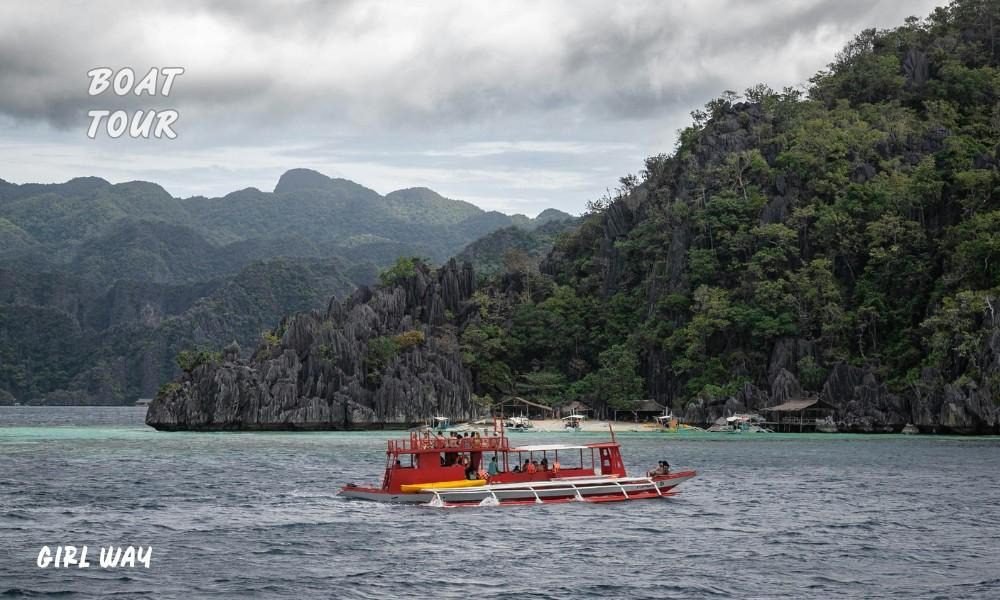
Once you reach the coast, a boat carries you to the islands, and the tour handles it all, so figuring out transport isn’t something you plan yourself.
This is about as remote as travel gets in the Philippines, with empty islands, weak phone signal, and no Wi-Fi at all. Infrastructure barely exists once you’re past Puerto Princesa.
No air conditioning, no real showers, just tents and sleeping under the open sky. Everything is privately owned out here, and it gets hot and sweaty fast.
I won’t sugarcoat it; this is a basic experience from start to finish. But that’s exactly what gave the trip its castaway vibes. I loved it, and this felt like one of those destinations most travelers skip.
That’s exactly where smart solo-travel safety habits matter most, before you even leave for the boat.
Step 1: How to Get to Balabac, Palawan: Fly Into Puerto Princesa (PPS)
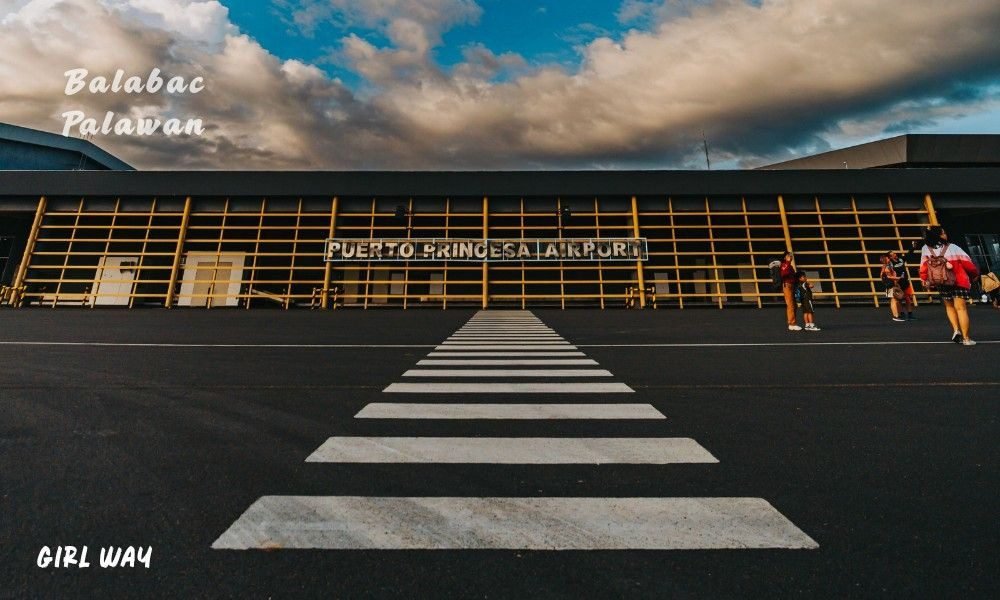
Every trip to Balabac starts the same way you fly into Puerto Princesa. Getting direct flights here isn’t hard, since Manila, Cebu, Ilo-Ilo, and even Taipei’s Taoyuan Airport all connect straight to the city. Once you land, the real math begins for the journey ahead.
From Puerto Princesa, the tour route to Buliluyan Port takes about 5 hours. If your plan includes Balabac town itself, add another 3 hours past the port, so figure roughly 8 hours door to door. That’s the number worth keeping in mind while you plan your schedule.
Landing at Puerto Princesa International Airport is simple enough. It’s a short walk from the exit gate to grab your next ride, no chasing shuttles across a huge terminal. From there, a tricycle, or tuktuk, the same thing here, gets you into town fast.
If your hotel sits within 1-2 km of the town proper, the fare shouldn’t run past Php100. Prefer a taxi instead? That works too, though the minimum fare starts at Php200. Either way, you’ll be settled in before the long haul south even begins.
How to Get to Balabac by Tour (Most People’s Route)
Most travelers pick the advance route: book a tour package before arriving, fly into Puerto Princesa, and spend a night there first. From your hotel, pickup lands somewhere between 3 and 4 AM, sometimes exactly 3 AM. Yes, that early, but it works out well once you’re on the road.
The van transport covers a 290-km stretch, and there’s barely any traffic at that hour, so most of the ride passes with everyone sleeping. Figure 5-6 hours total, with one breakfast stop or stopover built in along the way, usually closer to 6 hours on the fastest run available.
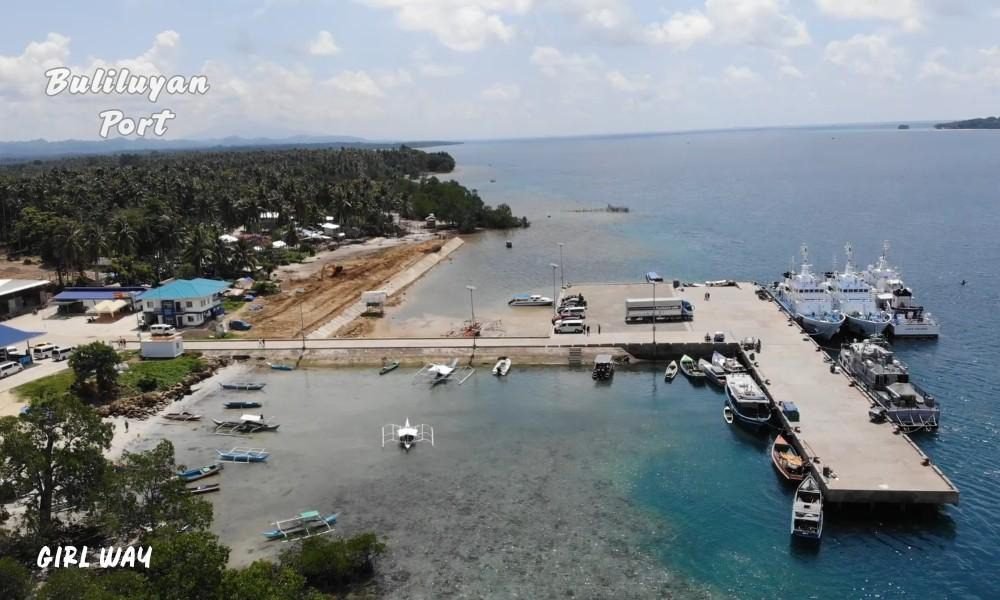
You’ll land at Buliluyan Port, technically part of Bataraza municipality but the real gateway to island territory. Here’s a step most guides skip: you need to register at the tourism office before moving on, a small but easy-to-miss detail worth remembering.
After that, a tour boat meets you at the port and starts the island-hopping run straight to your lodging. By around 11 AM, you’re usually there, giving you a full day left for snorkeling and more island hopping right away.
It’s a long morning, no doubt, but a surprisingly efficient one. What sounds like an exhausting adventure on paper turns into one of the smoothest parts of the whole trip.
If Balabac’s remoteness appeals to you, Siquijor has that same off-the-grid pull, minus the six-hour van ride.
How to Get to Balabac DIY
Irawan Terminal, Not San Jose
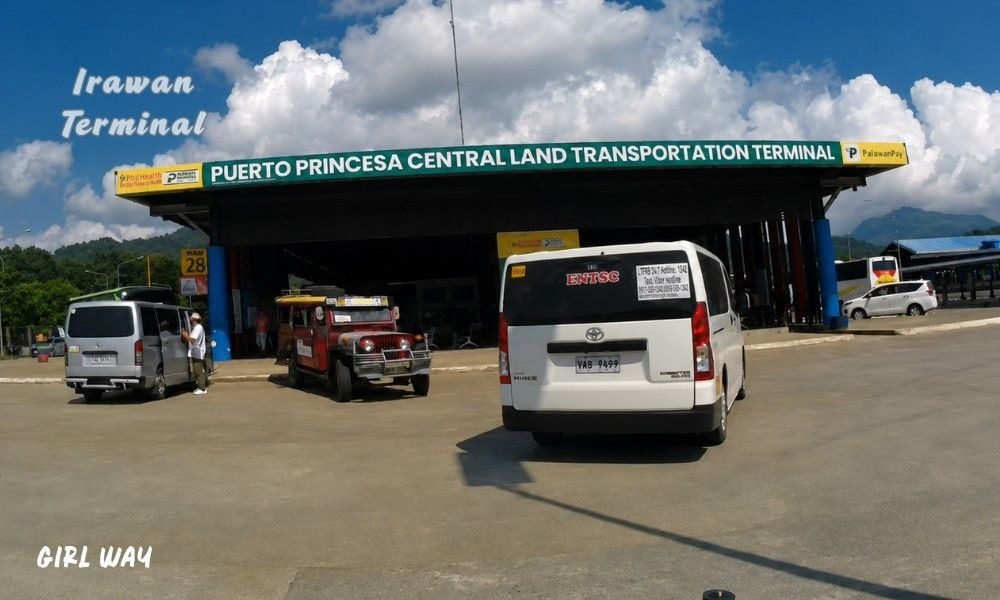
Planning how to get to Balabac, Palawan, on your own? Heading out from Puerto Princesa City is where it starts. Skip the old habit of asking for San Jose Terminal; it’s closed down now. The terminal you actually want is Irawan Bus Terminal, and getting there is easy either way. A tricycle runs Php400, or a jeepney gets you there for just Php30.
Van to Rio Tuba
From Irawan Terminal, vans to Rio Tuba run around Php550, with departures starting as early as 4am, and the Irawan-specific fare holding steady across the board. If you’re routing through Bataraza Terminal instead, the fare drops to Php350 and takes roughly 4-5 hours.
Some vans skip the transfer entirely and go direct from Puerto Princesa to Rio Tuba, running 5-6 hours for about Php550. The first van out is at 4am, and the last one leaves around 5pm, so plan accordingly.
If you land at Bataraza first, don’t worry; a transfer van to Rio Tuba takes under 2 hours and costs Php150. Quick breakdown below:
| Route | Fare | Travel Time |
| Bataraza Terminal → Rio Tuba (via Irawan) | Php350 | 4-5 hours |
| Direct Puerto Princesa → Rio Tuba | Php550 | 5-6 hours |
| Bataraza → Rio Tuba (transfer) | Php150 | Under 2 hours |
The Boat to Balabac
Here’s the catch: only one trip runs daily between Balabac, mainland, and Rio Tuba. It departs at 6am and heads back the same day, usually leaving Rio Tuba sometime between 10 and 11am.
Don’t expect a fixed schedule, though. The official departure time sits at 12pm, but boats have been known to leave anywhere from 10am to 2pm. Getting there earliest gives you the best shot at catching it.
Once you’re on board, sea travel takes about 3 hours to reach Balabac. It’s unpredictable, but it’s part of what makes this route feel like a real adventure.

Getting to Balabac from Other Parts of Palawan
From El Nido
If you’re basing yourself on where to stay in El Nido before heading south, plan for an early departure the next morning.
Coming from El Nido? You’ll head to Puerto Princesa first, either by van or bus. Ask your accommodation about a shared van with hotel pickup, or just catch the next departing van from the Corong Corong public transport terminal. That leg alone runs 5 hours, with boarding and meal stops built in.
From Puerto Princesa, you’re not done yet; there’s no direct van or bus straight south to Buliluyan Port. Private and public vans both leave around 3am, so the second leg picks up early. Worth clearing up: El Nido near Balabac? Not really. One sits on the northern tip, the other on the southern tip.
Door-to-door, the full trip runs close to 14 hours: 5-6 hours to Puerto Princesa, another 5-hour van trip toward Rio Tuba, then a 3-hour boat ride to finish it off.
From Coron
Same province, wildly different logistics. Coron and Balabac don’t connect easily, so El Nido becomes your first stop, via the Montenegro ferry, an expedition tour, or an Airswift flight.
Going by ferry? Book through the ticketing booth at Coron ferry port, or through your accommodation; they act as agents with no price difference either way. Expect to pay Php3,400, with daily departures at 6am, so show up 30 minutes early. The ride itself takes about 4 hours, assuming the waves cooperate.
Once you’re in El Nido, grab a private or public van to Puerto Princesa, then connect onward to Buliluyan Port. Planning to spend the night in Puerto Princesa first is a smart move here and honestly recommended given the early departures ahead.
From Manila, Cebu, and Davao
Book a flight into Puerto Princesa; that’s the starting point no matter where in the Philippines you’re coming from. Your tour company’s van takes care of the rest, driving you to Buliluyan Port, the real entryway into Balabac.
Best option? Spend one night in Puerto Princesa before heading out, since vans typically leave around 3am. Arriving the night before doesn’t just protect you from missing the van; it also gives you time for last-minute shopping at SM Puerto Princesa before the trip really begins.
How to Get to Balabac Palawan on a Budget: Actual Costs
Let’s talk real numbers. From Puerto Princesa City heading toward Rio Tuba Port on the DIY route, fares shift depending on which terminal you start from, so here’s a clean breakdown.
Going through the Terminal to Bataraza Terminal, the van fare runs Php350. From there, a transfer van to Rio Tuba adds Php150 more. Once you’re at Rio Tuba, the passenger boat fare over to Balabac costs Php450.
If you’re routing through Irawan Terminal instead, the numbers look a bit different, roughly Php550 for the van straight to Rio Tuba, then a boat fare of roughly Php350 to finish the crossing.
| Route | Van Fare | Boat Fare |
| Via Bataraza Terminal | Php350 + Php150 transfer | Php450 |
| Via Irawan Terminal | Php550 | Php350 |
Either way, the total transport cost lands somewhere close, just split differently between the van and boat legs. Worth comparing before you commit to a route.
These fares add up fast, so it’s worth reading up on saving money for solo travel before you lock in a route.
Choosing & Booking a Tour Operator
With several tour providers running trips out here, it helps to know what sets each apart. Look for a DOT-accredited operator first; that alone filters out a lot of guesswork.
ATX Travel and Tours stood out for good reason. Tour guide Chris made the whole experience smoother, and his 13-year-old helper Junjun added something genuinely memorable to the trip. At Php11,650, it felt like a solid package deal, mixing camping nights with a proper town-stay itinerary.
WanderWalkers is arguably the most popular name in Balabac, easy to find through their Instagram handle @balabacpalawan. That popularity comes with a catch, though: book in advance, ideally two months out, and more during peak season. They also run pricier than most and lean heavily toward foreigners based on who shows up on their boats. One more thing worth knowing: nights here are spent in Punta Sebaring, not Balabac town itself.
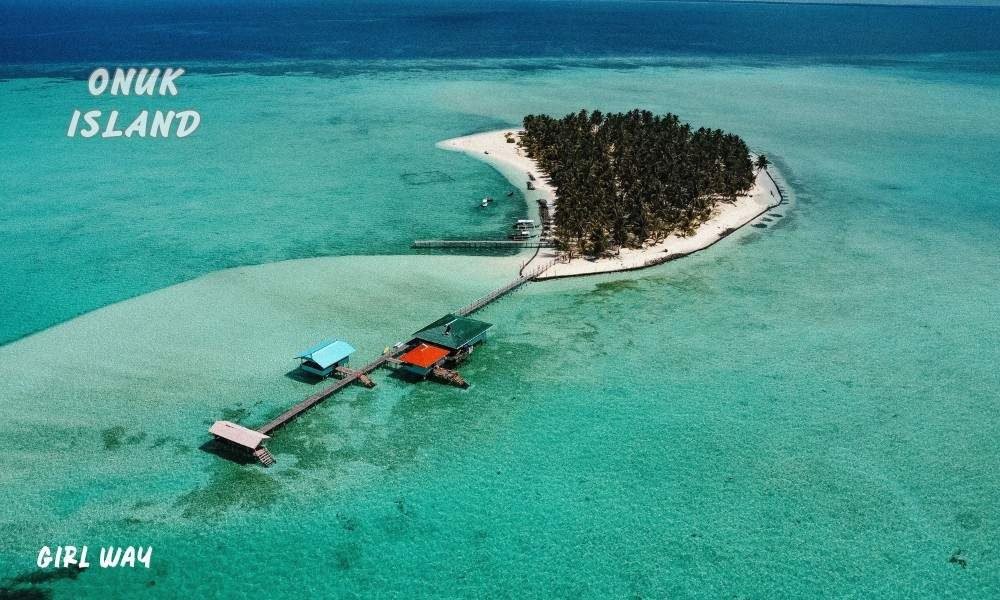
For something a bit different, the Balabac Girl works as a tour promoter tied to a local operator. Booking happens directly through WhatsApp or a quick Instagram message, no formal process needed. The standout perk was an overnight stay on Onuk Island, something not every tour includes, and one of the best parts of the whole trip.
Practical Tips for the Journey
Want to save on the trip? Joining a tour or large groups makes a real difference, since you can split boat rental expenses across everyone instead of covering it solo. Worth keeping in mind while planning.
Once you’re on the islands, there’s no ATM in sight, just small stores, canteens, and groceries scattered around. Buy any necessary supplies before the trip, because options thin out fast once you arrive.
Electricity runs on generators here, so conservation matters. They typically run from evening through 6am, nothing more. Bring powerbanks for gadgets and charging, since generators are mainly reserved for light, not much else.
My full solo female travel packing list covers exactly what to bring for stretches like this.
Cellular signal stays weak across the islands, and when it does work, Smart consistently outperforms Globe. In Balabac town specifically, expect better reception overall if you’re on the right network.
If staying connected matters to you, look into the best eSIM for Asia before you go, since local SIM options thin out fast past Puerto Princesa.
Before you travel, always check the weather. Coast guard gale warnings or public storm signals can cancel boat trips without much notice, and getting stranded isn’t the adventure anyone signs up for.
When in doubt, the Palawan Provincial Tourism Office is a reliable place to check current advisories before you travel.
FAQs: Getting to Balabac, Palawan
How do I get to Balabac, Palawan, from PPS?
Once you book a Balabac tour, the van transfer from Puerto Princesa to Buliluyan Port is almost always included. It’s the standard way, so there’s really nothing extra to figure out on your own.
Can I visit Balabac without a tour?
Technically yes, practically no—you’ll want a tour anyway. Balabac isn’t set up for independent tourism, and the islands are remote and privately owned, so joining one of the 3-4 island-hopping operators is your best bet.
How many hours is PPS to Balabac?
From Puerto Princesa to Buliluyan Port, expect roughly 5 hours. Continuing on to Balabac town adds another 3 hours past the port, bringing the total to about 8 hours door to door.
Is there a direct ferry?
No direct ferry exists. The only option runs from mainland Palawan through Rio Tuba port, which is 4-5 hours from Puerto Princesa. It sails once a day, so leaving as early as 4am gives you the best shot at catching it.
Is Balabac near El Nido?
Not even close. El Nido sits on the northern tip of Palawan, while Balabac anchors the southern tip. Door-to-door, that’s roughly 14 hours apart; 5-6 hours by van or bus to Puerto Princesa; another 5-hour van trip to Rio Tuba; then a boat ride to finish the journey.
Best time of year to travel?
Dry season wins here, running December through April. Sunshine versus rain genuinely makes or breaks the trip. March and April line up with peak summer months, giving you the best odds of good weather. November through May stays fairly safe too, while June through October leans rainy. Weather can be unpredictable either way, so even off-season trips work out with a bit of good luck.
Conclusion
Getting to Balabac, Palawan, takes patience, but honestly, that’s part of the charm. Every leg of the journey, from the early van pickups to the unpredictable boat schedules, feels like it’s filtering out the crowds before you even reach the islands.
I won’t pretend the logistics are simple. Between choosing a tour versus DIY, tracking down the right terminal, and timing the one daily boat, there’s real planning involved. But once you’re on that final stretch of water, watching the mainland disappear behind you, it starts to make sense why so few people make the trip.
If there’s one thing I’d tell anyone planning this: book ahead, bring cash, and don’t rush the process. Balabac rewards the travelers willing to work for it, and that’s exactly what makes it worth the effort.
