

Q: What is the best area to stay in Amsterdam?
The best area to stay in Amsterdam for most first-time visitors is the Canal Belt or neighbouring Jordaan, because the main sights sit within a short walk; choose Oud-Zuid for museums and quiet, De Pijp for local food and value, or Noord for the cheapest central-feeling base.
The best area to stay in Amsterdam depends on the trip you want. First-timers do best in the Canal Belt or Jordaan, where the main sights sit within a short walk. Choose Oud-Zuid for museums and calm, De Pijp for local food, or Noord for a budget base.
For a first visit, staying central saves the most time. Most highlights sit inside the canal ring, so a room in the Canal Belt keeps the Rijksmuseum, Anne Frank House and the Nine Streets within a 15–20 minute walk. On a two or three night trip, that walkability matters more than a cheaper room far out. You spend the day sightseeing instead of waiting for trams.
At a glance, here is which area fits which traveller:
| Area | Best for | Vibe | Price | Getting to the centre |
| Canal Belt | First-timers, sightseeing | Iconic, central | €€€ | Walk to most sights |
| Jordaan | Couples, classic canals | Cosy, photogenic | €€€ | Minutes on foot to the Nine Streets |
| Oud-Zuid | Museums, families, quiet | Upscale, residential | €€ | ~5 min walk to Vondelpark; ~15 min tram to Centraal |
| De Pijp | Local food, longer stays | Lively, local | €€ | Short tram or walk to the Museum District |
| Noord | Budget, solo and backpackers | Industrial, creative | € | Free ferry, 24/7, a few minutes to Centraal |
| Oost | Budget, calm base | Residential | € | ~15–20 min by tram |
Introduction
People often ask me where to stay in Amsterdam. They want the best areas to stay in Amsterdam and the best neighbourhoods and areas. So I made one simple, informal guide. This helps you choose the right spot, even on your first time in Amsterdam.
I’m from Cologne. I’ve visited Amsterdam many times on quick weekend trips. It works well for couples and solo travelers, too. Choosing the best area to stay in Amsterdam can improve the whole trip.
After a full week in Amsterdam, my view changed. It’s not only about parties or the Red Light District. Its history, cuisine, architecture, and people stand out. That’s why it’s one of the most compelling cities in Europe.
So if you’re asking, what is the best area to stay in Amsterdam, I’ve got you. I’ll walk you through the top Amsterdam districts to stay in. This way, you won’t pick a place that doesn’t fit your needs.
Where to Stay in Amsterdam
Before booking, I always remind myself that the first thing to do in any major city is figure out which neighbourhood you actually want to stay in. Even the nicest hotel won’t do much for you if it’s in a bad location, too far from the action, or in an area that feels sketchy or inconvenient.
So here are my personal favourite neighbourhoods to stay in — the ones I’ve actually stayed in myself, and the places I would choose again without hesitation. One honest steer first: I’m not recommending Central Amsterdam. There’s no reason to stay in the middle of the tourist chaos when you can be in a much better spot, far from the noise at 3 AM.
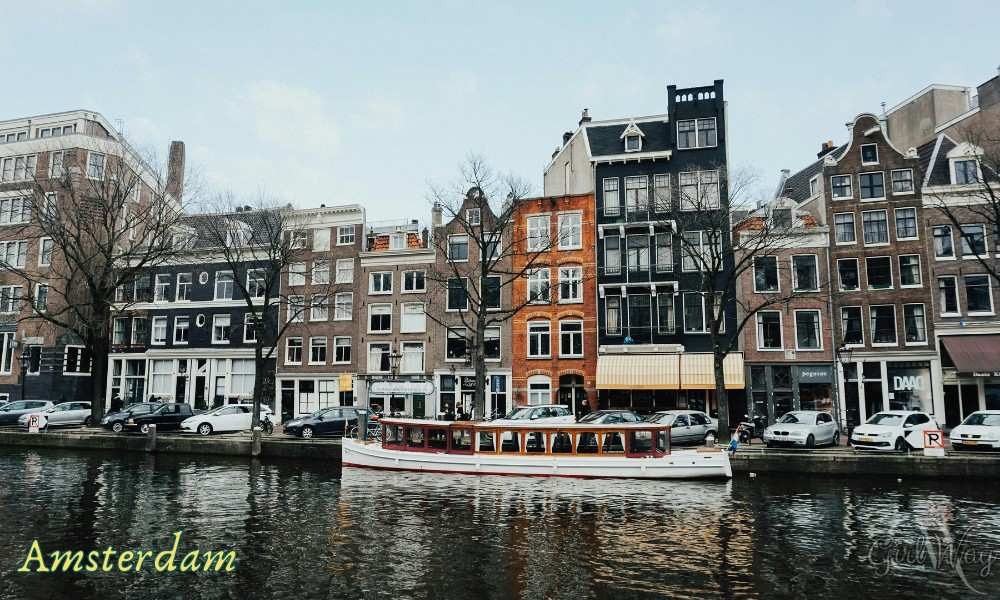
A quick word on safety, since solo travellers often ask: the areas below are all residential and generally calm at night. For more, see our tips for solo female travellers. As in any big city, keep an eye on your bike and your bag around the busiest tourist streets, and you’ll be fine.
Oud-Zuid: My Favourite Area to Stay
On my last trip to Amsterdam, I stayed in Oud-Zuid, and it quietly turned into my absolute favourite neighbourhood. Its name alone reminds me of slow mornings near the Museum Quarter and wide Museumplein, and over the years it has never let me down. The area has so much charm, with quiet streets, trees, and classic Amsterdam-style houses that feel almost postcard-perfect.
You’re perfectly positioned between culture and everyday life. On one side you have Museumplein and the whole Museum District; on the other, you can easily reach The Pijp and even the Canal Belt or Jordaan. It’s ideal for a slow morning stroll, coffee in hand, before the city wakes up, then quiet side streets and small cafés once the day’s sightseeing is done.
One of the biggest highlights is the museum scene right on your doorstep. The Rijksmuseum and Van Gogh Museum are right here, and I never get tired of visiting them. What I love most is the balance: fast access to all the main sights without the noise. The area is also incredibly well-connected — you can walk to Vondelpark in about five minutes, and Amsterdam Central or the Red Light District are only about fifteen minutes away by bike or tram in this compact, walkable city.
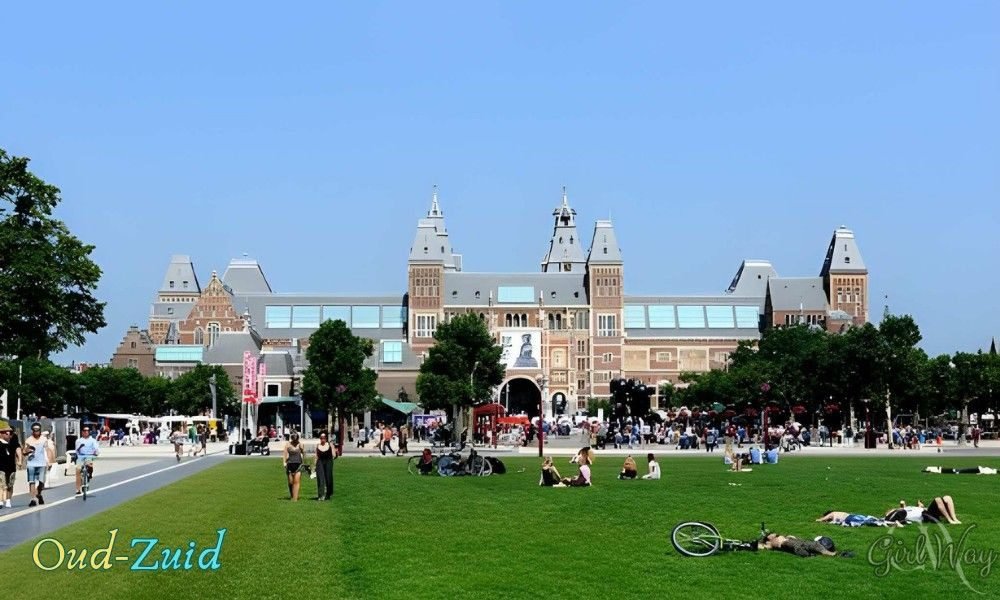
Oud-Zuid is also the easiest base for families. It’s calm, green, and many hotels here avoid the steep internal staircases common in the old canal houses, which matters if you’re travelling with young children or a lot of luggage. Planning a wider trip? See our Europe solo travel guide for more.
Pros and Cons of Staying in Oud-Zuid
Pros of Staying in Oud-Zuid
More affordable — Oud-Zuid feels more affordable than the city centre without losing the good stuff. Hotels here are more budget-friendly than staying right in the centre, the Canal Belt, or Jordaan, so you get a better deal without sacrificing location.
Peaceful and quiet — The streets feel peaceful and mostly quiet compared with some central areas. You avoid rowdy nightlife and party noise under your window, and it’s the kind of place where a good night’s sleep actually happens.
Easy transport connections — The tram system is great, and getting to Schiphol Airport takes about 30 minutes, which is super convenient if you’re catching an early flight.
Close to the best museums and Vondelpark — You’re perfectly placed for art and a relaxing green space, and I use both for running, biking, or just sitting with a coffee.
Cons of Staying in Oud-Zuid
A few cafés and restaurants nearby — There aren’t many cafés and restaurants right outside your door, so you often walk a bit for a wider choice — though there are great spots in The Pijp, and the Canal Belt isn’t far.
Overall, if you want a quiet, well-located, relatively affordable place to stay in Amsterdam, Oud-Zuid is hard to beat.
The Jordaan: Trendy and Central
When I picture Amsterdam’s iconic canals, narrow houses, and charming bridges, I’m really imagining The Jordaan. It’s the neighbourhood countless people dream of when they imagine staying in Amsterdam, because it feels effortlessly cool without trying too hard. When I want that classic Amsterdam feel, this is where I finish up, where the cute cafés, vintage shops, and tucked-away bars sit right by the water.
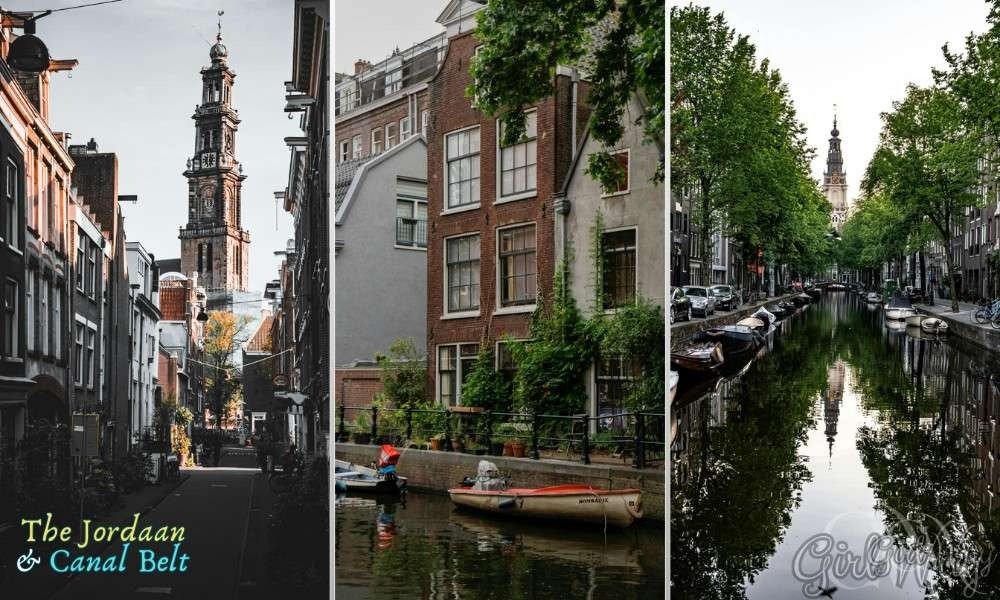
The streets are full of boutique shops, antique stores, cosy cafés, and canal-side bars. It’s the hipster heart of the city, and you can walk aimlessly and always find something — a tucked-away gallery, an old-school record shop, or a small café serving a perfectly poured cappuccino. It’s also genuinely central: you can reach the Canal Belt, the Nine Streets (Negen Straatjes), or Amsterdam Central Station within minutes on foot or by bike.
Of course, there’s a catch when you look at hotels here. There are two main downsides: it isn’t cheap, and there aren’t many hotels to begin with. Some of the city’s most expensive places sit here, and since it’s part of a UNESCO World Heritage area, you won’t find new hotels popping up either.
Pros and Cons of Staying in The Jordaan
Pros of Staying in The Jordaan
Picture-perfect Amsterdam vibes — This is the Amsterdam you see in photos: beautiful canals, historic buildings, and a very photogenic feel.
Plenty of cafés, bars, and vintage shops — If you enjoy indie boutiques, thrift stores, and artsy coffee spots, there’s always something new to discover.
Close to major sights without the crowds — You’re near the big sights, but without the loud, party-heavy tourist crowds.
Ideal for a romantic or stylish stay — Perfect for couples or anyone wanting that classic Amsterdam experience in a charming setting.
Cons of Staying in The Jordaan
Expensive accommodation — Hotels with canal views can be very costly, and even mid-range stays are often overpriced.
Not the quietest area — While it’s calmer than the Red Light District, it still gets busy with tourists, especially during the day.
Canal Belt: Central Location Close to the City Center
When I first stayed in the Canal Belt, I finally understood Amsterdam’s real magic. This area is made up of four main canals that wrap around the city centre like a loop; locals call it the Grachtengordel, and its 17th-century canal ring is a UNESCO World Heritage Site. Staying here means waking up to canal views and crossing little bridges on your way to coffee.
You get the full Amsterdam experience in a compact space. In a few minutes one way you’re in The Jordaan, with cosy cafés and boutiques; the other way you hit buzzing Rembrandtplein or the stylish Nine Streets. Walk a little further and you reach the Museum District. It’s ideal for first-time visitors who want to be right in the middle of things, and you’re close to nightlife without being stuck in the chaos of the Red Light District — perfect when you want energy nearby but quiet at night.
The canals themselves — Herengracht, Keizersgracht, Prinsengracht, and Singel — are a joy to explore, and together they are basically the Amsterdam you see on postcards. This central location comes at a cost, though: hotels here are among the most expensive in Amsterdam, especially in peak season, and the area can feel busy and touristy during holidays. When I book here, I pick a room facing an inner courtyard for calm, or accept that a canal view is part of what I’m paying for.
Pros and Cons of Staying in the Canal Belt
Pros of Staying in the Canal Belt
Unbeatable central location — You can walk to museums, bars, famous landmarks, and pretty much anywhere you want in the city.
Iconic Amsterdam atmosphere — The streets have the look you see in travel photos. Picture-perfect canals, houseboats, and historic bridges make every walk feel cinematic.
Great restaurants and bars — From modern bistros to traditional Dutch pubs and trendy cocktail lounges, there’s always somewhere good to eat and drink, whatever your mood.
Good mix of luxury hotels and boutique stays — You’ll find high-end luxury hotels and stylish boutique stays, among the best in Amsterdam.
Cons of Staying in the Canal Belt
Expensive — Expect to pay a premium for hotels, especially for that perfect canal view from your room.
Busy and touristy — Since it’s so central, you’ll share the streets with plenty of other visitors taking photos and moving slowly.
If you’re visiting Amsterdam for the first time, being right in the middle of the city’s most iconic scenery is a big plus. The Canal Belt is a fantastic choice, as long as you’re okay with the higher price tag.
De Pijp: Great Local Vibes
If you want to stay somewhere central without feeling like a full-on tourist, De Pijp is a great option. It sits just south of the Canal Belt and next to the Museum District, so you’re still near the main sights. I stayed here once for a short weekend and loved how it felt a little removed from the main crowds while staying easy to get around.
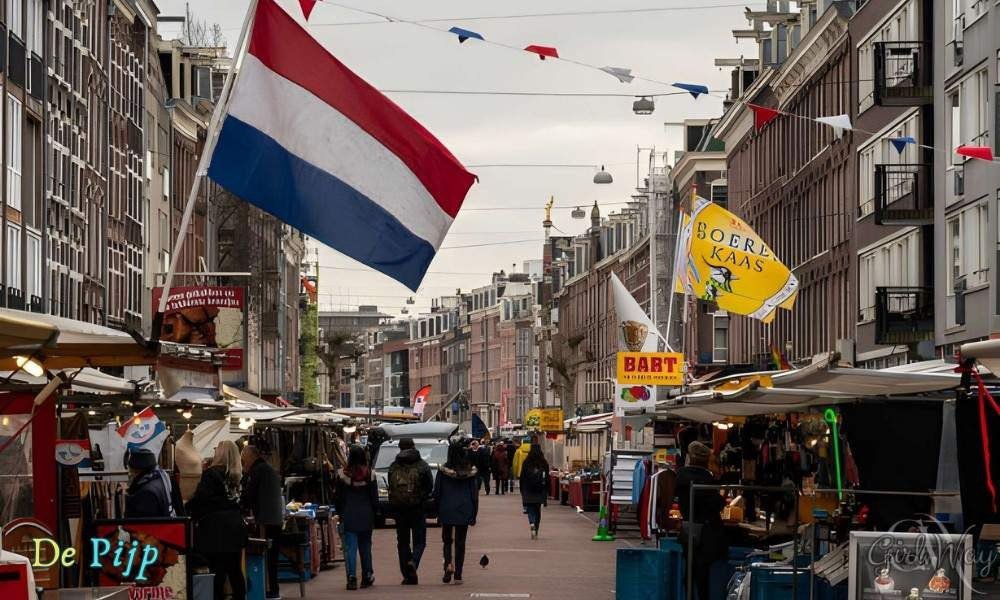
What hits you most is the local, lived-in vibe compared with the more polished parts of Amsterdam. The streets are full of cool cafés, vintage shops, street markets, and local restaurants that locals really use. It’s home to the famous Albert Cuyp Market, the Netherlands’ largest daily street market, where you can grab fresh stroopwafels, other Dutch snacks, and watch daily life roll by.
For me it’s a fantastic base for longer trips: it feels residential, it’s quieter at night, and it’s generally more affordable than the touristy parts of the city, so your budget stretches further.
Pros and Cons of Staying in De Pijp
Pros of Staying in De Pijp
More local and less touristy — This is where a lot of actual Amsterdam locals live, work, and hang out, so you won’t feel like you’re in a theme-park version of the city.
Fantastic food and café scene — Tons of independent restaurants, brunch spots, and local bars, often far better value than the overpriced places in classic tourist zones.
Generally more affordable — Hotels tend to be cheaper than those in the Canal Belt or Jordaan, so you get more for your money without losing comfort.
Still very central — It’s a short tram ride or walk from the Museum District, Vondelpark, and the canals, so everything you want to see stays close.
Cons of Staying in De Pijp
Not as postcard-perfect — De Pijp is lively and local rather than canal-pretty. You won’t get the storybook canal views of the Jordaan or Canal Belt right outside your door, so photographers may feel it lacks that classic Amsterdam look.
Slightly farther from major sights — Because De Pijp sits a little south of the centre, the biggest attractions are a longer walk or a short tram ride away. On busy days you’ll plan a little more transport, trading a few minutes for lower room prices and a calmer, local base.
Noord: Great Alternative with Good Hostels
Noord is often overlooked by tourists, but it’s one of those hidden gems that’s totally worth considering. If you want a different side of Amsterdam and more affordable accommodation, this part of the city belongs on your list. I stayed here for a short time while backpacking in 2025, and the hostel scene was wonderful.
Located just across the IJ River from Amsterdam Centraal, it feels like its own world. You get there on a free GVB ferry that runs 24/7 from behind the station — the ride is quick and the boats never stop. The vibe is more industrial, with old warehouses converted into workplaces, creative spaces, cool cafés, and trendy hostels.
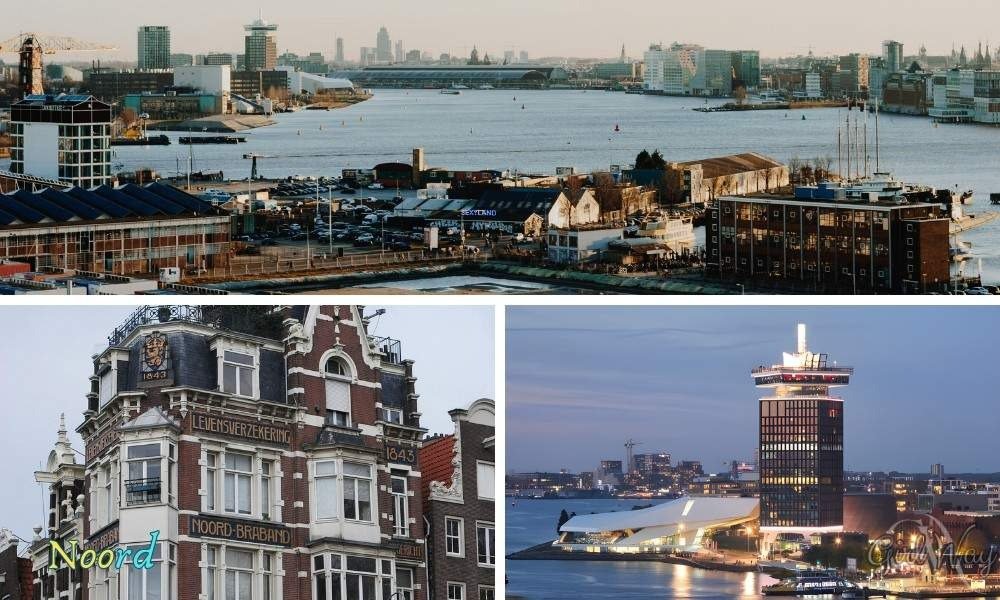
It might not have the picture-perfect canals of central Amsterdam, but it still feels like real, modern Amsterdam, and it’s a great place to find budget accommodation that doesn’t skimp on style. It’s especially good for solo travellers and backpackers who want something more social, with plenty of affordable hostels and shared tables in cafés. I often suggest Noord when friends say central Amsterdam feels too busy or expensive: you’re still minutes from the centre thanks to the free ferry, but your room is more local and easier on the budget.
Pros and Cons of Staying in Noord
Pros of Staying in Noord
Great for budget travellers — Noord suits budget travellers who still care about design and comfort. Places here are often far cheaper than the classic central neighbourhoods, without feeling rough or basic, and range from friendly hostels to stylish boutique stays.
Very local and relaxed — There aren’t many tourists, so you get a real local Amsterdam vibe, with more space to move around. It’s easy to enjoy the city at your own pace, sitting by the water or cycling quiet streets.
Super easy access to central Amsterdam — Despite the calm, the free ferry runs day and night, so in a few minutes you’re right at the big sights. You stay outside the rush but only minutes from the museums and canals.
Unique, creative vibe — There’s a cool industrial feel, with street art, galleries, and pop-up bars. It feels different from the usual tourist spots and more like a living arts district.
Cons of Staying in Noord
Not as picturesque — The area feels more modern and sometimes industrial, so it may lack the old-world, romantic charm travellers expect from the classic canals.
Not much to do after dark — Evenings are quieter than in central neighbourhoods. There aren’t a ton of bars or nightlife options, so nights often wind down early.
Slightly inconvenient for sightseeing — The ferry helps, but reaching major sights like the Rijksmuseum or Anne Frank House still takes a little longer. If you want to be right on top of the action, Noord can feel a touch out of the way.
Oost & Plantage: A Calm, Budget Base
When I’m on a tight budget, I look east of the centre, where Oost and the Plantage area generally offer more value. Prices stay reasonable and trams run smoothly through this side of the city, so travel time stays low. Nearby Oud-West can help too, but in Plantage/Oost I love how quiet it feels.
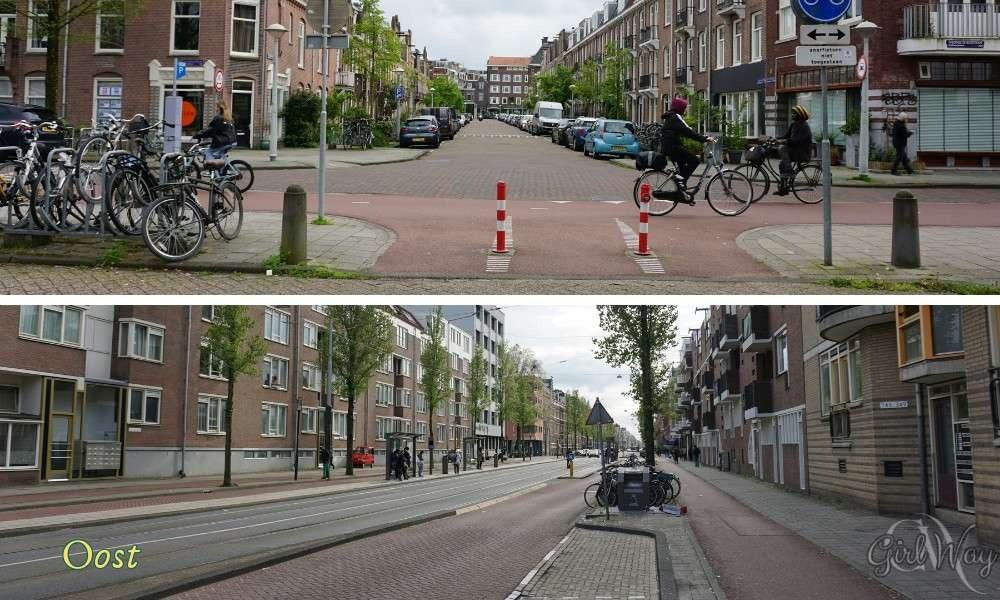
If you want a hotel with character, the Conscious Hotel, Westerpark is a mid-range option set almost literally inside a park. For something more playful, the Social Hub works well — I stayed at a Social Hub in Bologna rather than Amsterdam, but the brand sits nicely between a boutique hotel and a smart hostel. Further south, Zuideramstel is another budget-friendly option, particularly Motel One, though Plantage/Oost still has the better cluster of hotels. It’s residential, yet you keep easy transit to the centre in about 15–20 minutes by tram.
Where I’ve Stayed in Amsterdam
When I talk about the best areas and hotels, I start with my own experience, because there’s no point just repeating what’s already online. I’ve been to Amsterdam plenty of times, but I’ll focus on my most recent tour, in 2025, and update it as things change. On that trip I ended up in a few different hotels — mostly because I booked late and jumped between places for availability — which means I now have more first-hand stays to share.
My Favourite Stay: Hotel Omega
For my first two nights I stayed at Hotel Omega, and I wish my visit had been longer, because it was hands down the best hotel experience I’ve had in Amsterdam. The location was perfect, tucked away on a quiet residential street near the museums and Vondelpark, with the park just a three-minute walk away. It felt peaceful, with actual birds chirping outside — rare in a big city. Beyond the location, the hotel was well-designed, with that classic Amsterdam charm: elegant, cosy, stylish, but not over the top. I felt completely at home and could easily have stayed the whole week.
A Friendly, Affordable Option: Hotel Asterisk
For my next two nights I moved just over the Canal Belt. Hotel Omega was a tough act to follow, but Hotel Asterisk turned out to be a fantastic experience. It’s a small, family-run hotel, and the front-desk staff were some of the nicest I’ve met in Amsterdam — they gave genuine recommendations and made sure I had everything I wanted. The rooms were a bit more basic, but it had historic charm, a cute courtyard, and a solid breakfast, and it was more affordable than what I’d paid earlier.
Budget-Friendly and Surprisingly Great: Max Brown
Travelling with one carry-on, I try to avoid switching hotels — it saves time and hassle. My favourite area for this is around Museumplein, in the Museum District, and the Max Brown Hotel exceeded expectations for comfort and value. It was my cheapest stay in Amsterdam that still felt like a treat, with a practically unbeatable location, a quirky boutique vibe, and a very comfy bed for the price. I’d happily stay again — and I love this part of town because you can walk one way to De Pijp, with its cafés and markets, and the other way into the Canal Belt and its postcard streets. You truly get the best of both worlds.
How to Match an Amsterdam Area to Your Trip (Worked Example and Edge Cases)
Most guides list neighbourhoods; few show how to choose between them for a real trip. Here’s a worked example. For a first three-night visit focused on sights, base yourself in the Canal Belt: almost everything inside the 17th-century canal ring — a UNESCO World Heritage Site — is a 15–20 minute walk away, so you rarely touch a tram. For a week or a slower, food-led trip, shift south to De Pijp, home of the Albert Cuyp Market, where nightly costs drop while you stay one tram stop from the museums.
Airport transfer is the detail that quietly decides value. Trains run from Schiphol to Amsterdam Centraal in roughly 15–20 minutes, several times an hour, via NS, the Dutch national rail operator. From Centraal, Oud-Zuid and the Canal Belt are a short tram ride, while Noord is reached by that free 24/7 ferry — which is why a “far-sounding” Noord hostel can beat a central room on both price and late-night access.
Two edge cases change the answer. If you travel with young children or need step-free access, Oud-Zuid and Oost suit better than the Canal Belt, where many historic canal houses have steep stairs and no lift. And if your dates fall on King’s Day (27 April), the city-wide celebration draws huge crowds; central areas book out and prices spike months ahead, so a quieter base in Oud-Zuid or Oost with a short tram in is the practical call.
Travel details such as prices and timetables change, so confirm the official links above before you book.
FAQ
For a first visit, base yourself in the Canal Belt or Jordaan. Both keep the canals, museums, and Nine Streets within an easy walk, so you see more on foot. Skip the crowded centre near the Red Light District and you stay close to everything without the late-night noise.
Oud-Zuid, around Museumplein, is the best area for culture. You’re steps from the Rijksmuseum and Van Gogh Museum, with Vondelpark nearby for a break between galleries.
Take the train from Schiphol to Amsterdam Centraal — about 15–20 minutes, several departures an hour, via NS. From Centraal, most central areas are a short tram ride, or a free 24/7 ferry to Noord.
Noord and Oost are the most budget-friendly. Noord pairs low prices with a free 24/7 ferry to Centraal; Oost keeps rooms affordable with smooth tram links about 15–20 minutes from the centre.
Two to three nights cover the main sights if you base yourself centrally and walk. For museums, markets, and day trips, plan four or more and consider Oud-Zuid or De Pijp for better value on a longer stay.
For most travellers, no. It’s central but noisy at night. The Canal Belt and Jordaan put you minutes from the same sights with far quieter evenings.
Oud-Zuid is the easiest family base: it’s calm, next to Vondelpark, and steps from the big museums, with trams rather than the steep canal-house stairs common in the centre.
A Quick Note on Travel Insurance
I travel full-time, so I never go without cover. For the past two years I’ve used SafetyWing’s Nomad Insurance and found online claims simple and quick. For a short trip to the Netherlands, just check that any policy includes medical cover and fits your dates. This is a personal recommendation, not professional advice — compare policies yourself before buying.
Conclusion
In the end, the best area to stay in Amsterdam depends on your style: pick Oud-Zuid for museums and quiet streets, the Jordaan or Canal Belt for iconic canals and a central base, or De Pijp and Noord for a more local feel and better value. All of these areas are well connected, so you can reach the sights easily without losing comfort. If you like how I break down neighbourhoods, see our where to stay in Cusco guide for the same approach.
Whether it’s your first time deciding where to stay in Amsterdam or a return trip, match your neighbourhood to your budget, your nightlife preference, and how close you want to be to the main attractions. Pick the best district to stay in Amsterdam for you, and even a simple hotel turns into a stay you’ll remember.
About the Author
I’ve visited Amsterdam many times, on both quick weekend trips and a full week, staying across Oud-Zuid, the Canal Belt, and De Pijp — including first-hand stays at Hotel Omega, Hotel Asterisk, and the Max Brown Hotel. I write first-hand neighbourhood guides so you can choose where to stay with confidence.
