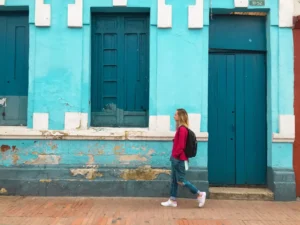

Is Portugal Safe for Solo Female Travellers? The Short Answer
Yes. Portugal is one of the safest countries in Europe for a woman travelling alone, and one of the easiest first solo trips you can take anywhere. Violent crime is rare, the culture is polite and respectful, and women travel here alone every year without trouble. The real risks are smaller and more predictable: pickpockets on crowded trams and in busy squares, phone snatching at outdoor cafe tables, and summer wildfires in the countryside. This guide gives you the honest version, city by city, so you can plan with confidence instead of worry.
What the Official Advice Says
The US State Department carries Portugal at Level 1, “Exercise Normal Precautions”, in 2026. That is the lowest risk level the department issues, and it is the same rating given to France, Spain and the United Kingdom. The Foreign Office (FCDO) lists no travel restriction for Portugal and focuses its warnings on petty crime and summer wildfires. A Level 1 rating does not mean nothing ever goes wrong: it means you do not need to plan around danger. You need to plan around crowds.
The rankings back the advisories up. Portugal ranks 7th out of 163 countries in the 2026 Global Peace Index, making it one of the safest countries in the world by a standard measure, and the World Population Review places Portugal’s homicide rate among the lowest in Europe. Violent crime against tourists is rare, and the country has no warnings for solo women beyond the usual precautions that apply everywhere in Europe.
Portugal is also busy. Lisbon, Porto and the Algarve draw record crowds, and the crowds are the main safety story in Portugal. Tram 28, the Rossio area and the viewpoints are packed for much of the day, and the riverfront in Porto is busy too. That does not make them dangerous, but it does make them the places where pickpockets work. Go early, keep your bag closed, and the rest of the country is yours.
Safest Places in Portugal for Solo Women
Portugal is not one safety level. It changes by city and by time of day. These are the places that work best, especially for a first trip.
Lisbon: the classic first stop
Lisbon is the city most solo women start with, and it is easy to see why. Baixa, Chiado and Principe Real are walkable, well lit and full of cafes, and the hilltop viewpoints are made for slow solo wandering. Ride Tram 28 early in the morning before the crowds, or walk instead. The metro is clean and safe, and the train to Sintra or Cascais makes an easy day trip. The two things to watch are pickpockets on the trams and around the viewpoints, and the nightlife district of Bairro Alto late at night, where standard big-city precautions apply. Stay near a metro station in Baixa, Chiado or Principe Real and the whole city opens up. See our Lisbon stays guide for where to base yourself in each neighbourhood.
Porto: smaller, calmer, just as safe
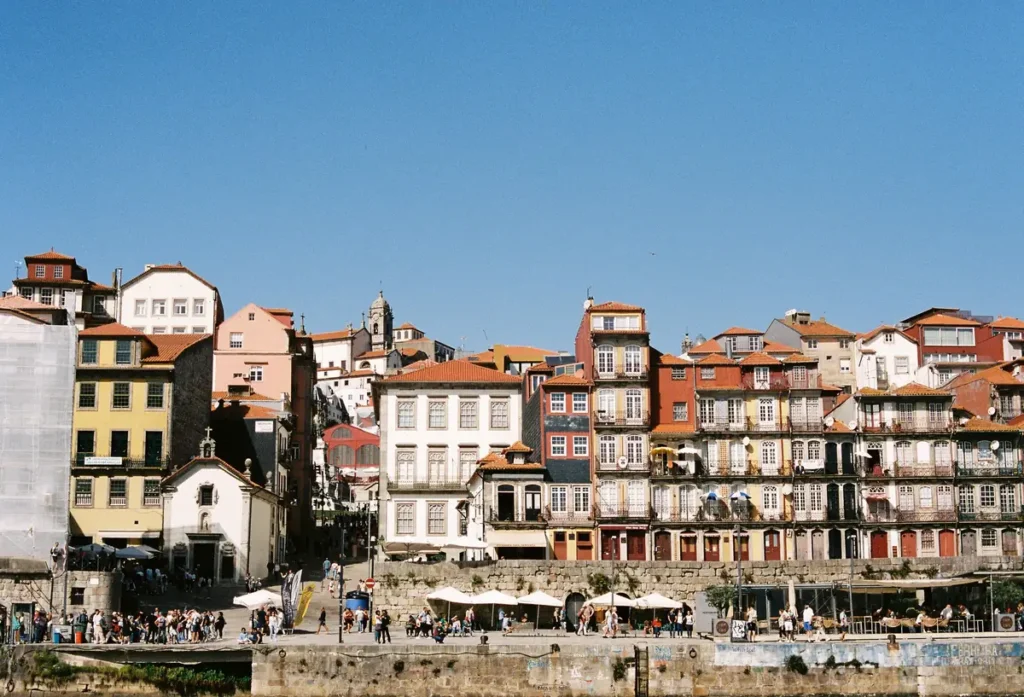
Porto is the quieter alternative to Lisbon, and many solo women prefer it. The riverside district of Ribeira, the wine cellars across the river in Gaia, and the artsy streets around Cedofeita are all easy to explore alone. Porto is one of the safest cities in Portugal, with violent crime falling faster than in Lisbon, and it has a large digital nomad community, so you are rarely the only solo traveller in a cafe. Wear shoes with good grip: the steep cobbled streets are the real hazard here, not the people. Ribeira and Sao Bento station get crowded at peak times, so keep your bag in front of you there, the same as anywhere else.
The Algarve: beaches, cliffs and slow days
The Algarve is the place to slow down. Lagos and Tavira are peaceful, walkable towns with cliff walks, hidden coves and local markets, and they suit solo women who want quiet streets and time to settle in. A rental car helps here, because public transport between the smaller towns is less frequent, but the main towns are easy on foot and by bus. The Algarve is generally safe, but beach resorts do attract the occasional tourist scam, so the same rules apply: confirm taxi fares or use a ride app, and be wary of unsolicited help at ATMs. If you want the coast without the crowds, go in spring or autumn, when the weather is warm and the towns are calm.

Where to Be Extra Careful
Three things deserve a clear warning, not a vague one.
Pickpockets on trams and in crowds
Pickpocketing is the main safety issue in Portugal, and it is concentrated in a few well-known spots: Tram 28 and the other tourist trams in Lisbon, the Baixa and Rossio areas, metro stations where passengers cluster around the doors, and the riverfront in Porto. Crowded trams are attractive to thieves because passengers are tightly packed and focused on staying upright. The fix is simple and it works: a crossbody bag, zipped and carried in front, and nothing valuable in an outer pocket. Do not leave your phone on the table at an outdoor restaurant. It is a quick target for grab-and-go thefts.
Nightlife and quiet streets
Portugal’s nightlife is safe and welcoming, and solo women drink alone in bars and cafes every night without trouble. The usual rules apply. Stick to populated central areas, let someone know your plans, do not drink too much alone, and take an Uber or Bolt home instead of walking through quiet streets late at night. Avoid poorly lit or empty areas after dark in any city. If you feel uncomfortable, walk into the nearest open shop or cafe. Portuguese people are famously helpful and will assist you if you ask.
Summer heat and wildfires
Portugal has experienced intense summer heat and significant wildfires, particularly in central and northern regions and sometimes on Madeira. The UK Foreign Office flags a high wildfire risk from April to October. If you plan to hike or drive in the countryside in summer, check the fire risk before you go, carry water, and follow local advice. In the cities, the heat itself is the issue: carry water, take the shade at midday, and do not try to walk every hill in Lisbon in August.
Getting Around Alone
Portugal is easy to move around alone. Trains run by CP connect Lisbon, Porto, Coimbra and the Algarve, and the long-distance buses run by Rede Expressos are clean and reliable. You do not need to worry about travelling between cities after dark. Inside the cities, the metro in Lisbon and Porto is safe and simple, and ride apps like Uber and Bolt are popular and cheap. In the Algarve, consider a rental car for the smaller towns, or use the local buses and plan your day around them. One practical tip: buy your train tickets online in advance for the popular routes, especially Lisbon to Porto, because the cheap seats sell out.
Walking is half the pleasure of Portugal, and also the half that needs the most care. Lisbon’s hills are steep and the cobbles are slippery when wet, so wear shoes with good grip. Porto is the same. Give yourself extra time to get anywhere on foot, and do not try to rush a hillside in the rain. The views are worth the slow climb.
Where to Stay as a Solo Woman
Portugal is built for solo sleepers. Lisbon and Porto have hostels with women-only dorms, boutique hotels in the old centres, and apartments in Baixa, Chiado, Ribeira and Cedofeita. The Algarve has guesthouses and small hotels in Lagos and Tavira that suit a slower trip. Whichever you choose, book somewhere well reviewed and near a metro or train station. A hotel five minutes from the train is worth more than a bigger room twenty minutes away, because every day in Portugal starts and ends at a station. If you are travelling in August, book early: the best small places sell out.
Eating Alone in Portugal
Eating alone is widely accepted in Portugal, and it is one of the best things about travelling here solo. It is common to see locals and travellers dining alone in cafes, pastelarias and restaurants, and nobody will rush you or stare. Sit outside with a coffee and a pastel de nata in the morning, order a long lunch in Porto, and try the seafood in the Algarve. Small cafes, bakeries and local markets often prefer cash, so carry some euros, especially outside the big cities. Credit cards are widely accepted everywhere else. Eating alone in Portugal is not something to get through. It is half the trip.
Money, Scams and the Fine Print
Portugal uses the euro, and prices are as marked. Tipping is not expected the way it is in the United States: rounding up the bill or leaving a euro or two is enough, and nobody will chase you for more. The scams worth knowing are small and easy to avoid. Confirm taxi fares before you get in, or use Uber or Bolt instead. Watch out for distraction techniques in crowded areas, where one person asks you something while another reaches for your bag. Be wary of unsolicited help at ATMs. That is the whole scam list. Everything else about money in Portugal is straightforward, and the total on the bill is the total you pay.
Language, Etiquette and Fitting In
English is widely spoken in Lisbon, Porto and the Algarve, and police officers in tourist areas often speak English and are used to dealing with international travellers. Learning a few words of Portuguese, hello, thank you and excuse me, goes a long way, and people appreciate the effort. The culture is polite and non-intrusive. Street harassment is uncommon compared with many other countries, and solo travellers often report being treated with kindness and curiosity rather than suspicion. None of this is about being perfect. It is about showing you paid attention, and Portuguese people notice and appreciate it.
What to Do If Something Goes Wrong
Portugal’s emergency number is 112, for police, ambulance and fire, and operators speak English. For domestic or sexual violence, the 144 social emergency line has English-speaking operators. If something is stolen, report it to the nearest police station: you will need the report for your travel insurance. Keep your passport in the hotel safe and carry a photocopy, and keep your hotel’s address card in your pocket so you can show a taxi driver where home is. Save the number for your country’s embassy before you travel, and tell someone at home your rough route. None of this is because Portugal is dangerous. It is because being prepared is what makes a safe country feel safe.
Your First Three Days: A Simple Plan
Day one, Lisbon. Base yourself in Baixa or Chiado, ride Tram 28 early in the morning, and spend the afternoon walking the viewpoints and the streets of Alfama. Day two, take the train to Sintra in the morning for the palaces and the hills, and come back to Lisbon for dinner in Principe Real. Day three, take the train north to Porto, walk the Ribeira riverfront, cross to Gaia for the wine cellars, and eat your way through the old town. Three days, two cities, one train card, and you will have the shape of Portugal in your head. From there, go deeper instead of wider: an extra day in Porto, a few slow days in the Algarve around Lagos or Tavira, or a day trip to Braga or Guimaraes. Portugal rewards the traveller who slows down.
Before you go, read our solo female travel safety tips and our tips for solo female travellers — the packing, planning and staying-in-touch habits that make any first trip smoother. For the first-timer habits, see our first time solo female travel tips.
Frequently Asked Questions
Is Portugal safe for solo female travellers?
Yes. Portugal is one of the safest countries in Europe for women travelling alone. The US State Department rates it Level 1, it ranks 7th in the 2026 Global Peace Index, and violent crime is rare. The main risk is pickpocketing on crowded trams and in busy squares, which is easy to avoid with a crossbody bag carried in front.
Is Lisbon safe for women at night?
Generally, yes. Most central areas are safe, the streets are well lit, and the metro runs late. Stick to busy streets, avoid empty parks and poorly lit alleys after dark, and take an Uber or Bolt home from Bairro Alto instead of walking alone through quiet streets.
Is Porto safe for solo female travellers?
Yes, and it is one of the safest cities in Portugal. Violent crime fell 8.4 percent in 2025, and the city is compact, walkable and full of solo travellers and digital nomads. The main things to watch are pickpockets in Ribeira and around Sao Bento station, and the steep slippery cobbles.
Is the Algarve safe for solo women?
Yes. Lagos and Tavira are peaceful, walkable towns that suit solo women well. A rental car helps for the smaller towns, since buses are less frequent. Beach resorts attract the occasional tourist scam, so confirm taxi fares or use a ride app, and be wary of unsolicited help at ATMs.
Do I need to speak Portuguese?
No. English is widely spoken in Lisbon, Porto and the Algarve, and police in tourist areas often speak English too. Learning a few words, hello, thank you and excuse me, goes a long way, but you can travel the whole country without Portuguese.
What is the emergency number in Portugal?
Dial 112 for police, ambulance and fire, with English-speaking operators. For domestic or sexual violence, the 144 social emergency line also has English-speaking operators. Save both numbers in your phone before you travel.
Is it OK to eat alone in Portugal?
Yes, and it is one of the best parts of the trip. Solo dining is completely normal in cafes, pastelarias and restaurants, and nobody will stare or rush you. Small cafes and markets often prefer cash, so carry some euros alongside your card.