

Written by Katherine, GirlWay
What’s the most important tip for solo female travelers? Choose a safe, easy-to-navigate destination for a first trip; everything else, from packing to meeting people, gets noticeably easier once that one decision is right.
Who this guide is for: first-time solo female travellers who want the practical basics covered, and experienced ones looking for a refresher on money, safety, and the honest parts nobody else mentions.
Quick Reference Checklist
| Category | Fastest Win |
| Destination | Pick somewhere safe, English-friendly, and tourist-friendly for a first trip. |
| Accommodation | Book a hostel with recent reviews from other solo women. |
| Money | Set up a fee-free travel bank account before departure. |
| Safety | Trust your instincts immediately, no second-guessing. |
| Connection | Download NomadHer or join a women’s travel Facebook group before landing. |
| Packing | One carry-on, roll don’t fold, pack a scarf. |
Intro
Looking for genuinely useful tips for solo female travellers usually starts after the flight’s already booked and the nerves have set in. The idea of traveling completely alone sounds intimidating right up until the trip actually starts, and then, more often than not, it becomes the thing that changes everything else. Booking a flight without waiting on anyone else’s schedule, wandering a new city on entirely self-set terms, and figuring out how to navigate an unfamiliar place solo, all of it builds a kind of confidence that’s genuinely hard to find any other way.
This guide pulls together the practical side of that experience: which destinations actually work best for a first trip, how to pack light without sacrificing what matters, the real safety habits worth building, and the honest, less-discussed parts too: the lonely evenings, the days that don’t go as planned, and the moments a trip just doesn’t click the way it was supposed to. For a deeper dive into destination-specific safety data, the safest countries for solo female travelers are worth reading alongside this guide.
None of it requires being fearless from the start. It just requires being prepared enough to handle whatever comes up and curious enough to keep going anyway.

Choosing Your First Destination The Core of Solo Female Travel Tips
Start with a safe, solo-friendly destination. Pick somewhere known for general safety, easy to travel in, with plenty of other backpackers or travelers around, and generally friendly locals. Choosing a country that speaks English or another familiar language matters too, avoiding a major language barrier on a first trip. Japan works well here: everything from train stations to hotels comes signed in English, plenty of people speak it, and locals will consistently go out of their way to help.
Choosing a destination with intent goes a step further than just picking somewhere safe, though. Understanding why a particular place is calling, whether it’s a book, a movie, or something less obvious, tends to lead to a more enriching trip. Digging into that intent before booking anything usually pays off.
Starting Somewhere You’ll Feel Comfortable
For a first solo adventure, somewhere similar to home turf works well. A different region of the same country counts, Chicago natives trying the Pacific Northwest, or Californians heading to Nashville. If Germany is home base, Austria makes an easy getaway. Cities that feel like home in spirit, Paris and Milan carrying some of New York’s energy, make solo time feel less like a leap. New York itself is a fantastic solo pick too; it’s genuinely hard to ever feel truly alone there.
Travel tip: consider a hybrid approach if going fully solo feels like too big a jump; start a trip alone and meet up with a group partway through, or the reverse. A cruise works well for this, exploring independently for a stretch, then dedicating a few days to traveling with others.
Planning Without Over-Planning
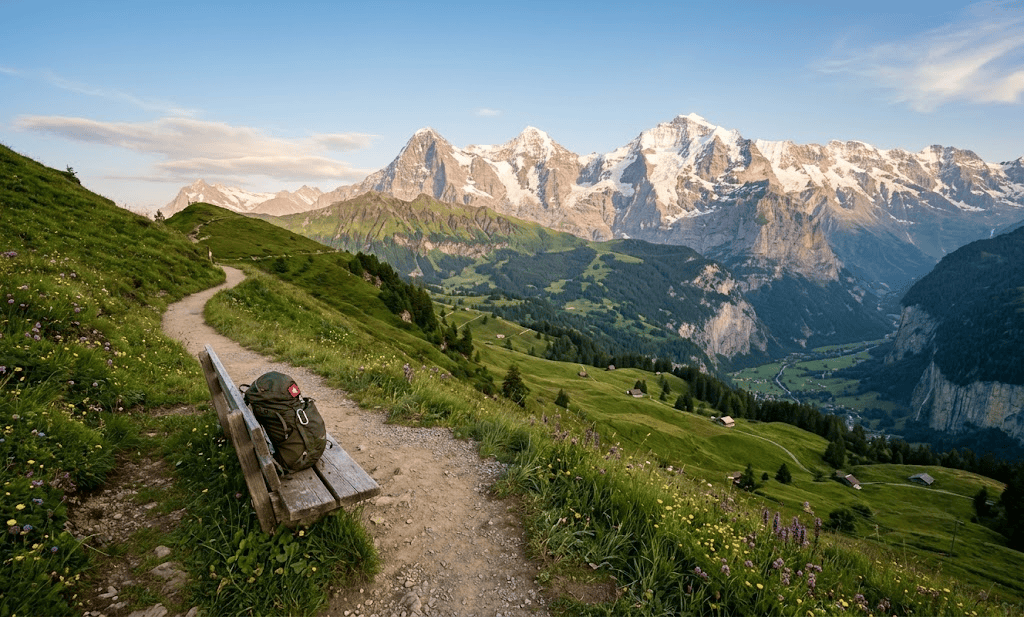
Knowledge is power, and planning genuinely helps things go smoothly, but over-planning can work against a trip too. Researching local customs, language basics, transport options, areas worth avoiding, and average costs builds real awareness of a destination before landing.
A couple of specifics worth nailing down early:
- Budget realistically. Get a rough sense of costs and figure out how long a given budget can stretch. Leave extra room for emergencies or the occasional splurge.
- Check local dress codes. Bring appropriate clothing for anything that differs from home.
- Sort out local transport in advance. Flixbus works well across Europe; 12Go covers buses through Southeast Asia.
- Learn a few key phrases. Please, thank you. Hello, locals genuinely appreciate the small effort.
Confirming the Big Pieces
Whether traveling solo or with company, thinking through the details in advance, departures, transfers, and accommodation cuts down on unnecessary stress. The big items, lodging and transportation specifically, are worth confirming ahead of time. Book hotels early, and know how to get from the airport to accommodation and back.
Beyond the practical side, leaving room for spontaneity still matters. Some of the best travel moments come from unplanned detours.
Travel tip: transportation logistics can end up dictating where to stay just as much as sightseeing does; it’s worth checking how a neighborhood connects to the airport or train station before booking a hotel purely on location or price.
Booking Smart Accommodation & Arrival Timing
Hostels are genuinely key for solo travelers; they feel far less isolating and remain one of the best places to meet other people, including fellow solo travelers. Age doesn’t matter here either; hostels skew younger on average, but the crowd tends to be open and welcoming. Most hostels now offer private rooms too, so the social atmosphere doesn’t have to mean sharing a dorm if that’s not appealing.
Booking the first few nights before departure, and knowing exactly how to get there from the airport or train station, removes a real layer of first-day stress.

Timing Flights and Trains Around Arrival
Booking flights or trains that land early or midday, rather than late at night, cuts down on both stress and unnecessary risk in an unfamiliar destination. If a late-night arrival is unavoidable, a taxi, rideshare, or a well-reviewed shuttle service straight to accommodation is worth the extra cost.
For genuinely unavoidable night arrivals, the approach shifts depending on the destination:
- In safer destinations: research the route to accommodation in advance, have a rideshare app downloaded and ready, and study the route beforehand.
- In less predictable destinations: call ahead and arrange a taxi through the hotel directly, or ask staff to meet at the bus or train station.
Travel tip: save the accommodation’s address and phone number in the local language before an anticipated night arrival; showing a written note works better than trying to explain verbally if a driver doesn’t speak much English.
Keeping Your Accommodation Secure
Accommodation plays a bigger role in a trip than it might initially seem. A few habits worth building in:
- Read reviews thoroughly, especially anything left by other female solo travelers.
- Book a female-only dorm if that adds comfort.
- Arrive well before dark. Daylight gives a far better sense of an area’s actual safety than arriving after sunset does.
- Never tell strangers where you’re staying.
- Carry a portable lock for lockers, gear, and valuables.
- Ask hostel staff about local safety directly.
Travel tip: check reviews for mentions of the front desk or reception hours specifically; a place with 24-hour staff on-site adds a real layer of security for a late check-in.
Packing Smart and Light
Carrying and maneuvering luggage alone, over cobbled streets, on and off buses and trains, means packing genuinely lighter than feels comfortable at first. A scarf or sarong earns its spot in nearly every solo traveler’s bag, useful for covering up at religious sites, staying warm on transport, and doubling as a towel in a pinch.
A few more essentials worth the space:
- A universal adapter for electronics
- A small first-aid kit
- A reusable water bottle (with a filter for destinations with non-drinkable tap water)
- Locks for a backpack or hostel locker
- Copies of important documents, both digital and printed
- Comfortable shoes plus lightweight flip flops for showers and hostel floors
Suitcase Strategy & Staying Fashionable
One carry-on suitcase plus one tote covers most trips comfortably. Choosing fewer clothing pieces and more versatile accessories makes the whole process easier without sacrificing variety. Looking and feeling good while traveling solo is entirely compatible with packing light, a couple of versatile outfits for evenings out, alongside breathable basics for daytime, to cover most situations.
Protecting Valuables While Packing
A bumbag with a secure zip earns its place specifically during transit, on night buses, on flights, or any stretch where valuables can’t be left safely at accommodation. A combination padlock, one with a code rather than a physical key, avoids the nightmare of losing a key right before a flight.
Travel tip: roll clothing instead of folding it when packing a carry-on; it genuinely creates more usable space.
Dressing for the Culture
Blending in matters more when traveling within different cultures, it’s their country, and observing local norms serves both safety and respect. In more conservative regions, wearing shorts into a temple, for instance, can leave people quietly uncomfortable even if nobody mentions it.
Observing how local women dress, without crossing into anything that reads as cultural appropriation, offers a useful guide. Noticing which parts of the body local women generally keep covered, legs and shoulders most commonly, and mirroring that tends to strike the right balance.
Leaving valuable jewelry at home rounds this out. A wedding ring or anything with real financial value is often better left behind entirely.
Travel tip: pack one modest, easy-to-layer outfit specifically for temple or religious-site visits; a maxi skirt or loose trousers paired with a scarf covers shoulders and legs.
Staying Connected & Managing Technology
Having access to maps, translation apps, and emergency contacts from the moment of landing is genuinely important for solo safety. Letting someone back home know the itinerary, and checking in regularly, keeps everyone at ease.
Getting Connected on Arrival
Buying a local SIM or grabbing an eSIM before departure solves most connectivity issues immediately. Organizing tech before departure matters too: a phone with data, a portable charger, and a camera all earn their space. NomadHer, an app built specifically for connecting with other women while traveling solo, is worth downloading ahead of time.
The Core App Toolkit
A handful of apps come up again and again as genuine essentials:
- Maps.me or Google Maps for offline navigation when data or signal disappears
- Google Translate: download the needed language ahead of time for offline use
- Moovit covers public transit pricing and accurate departure times across 101 countries
- AllTrails is genuinely useful for anyone planning to hike
Travel tip: test the downloaded offline map and translation language before leaving home with wifi behind.
Managing Your Money Abroad: An Essential Tip for Solo Female Travellers
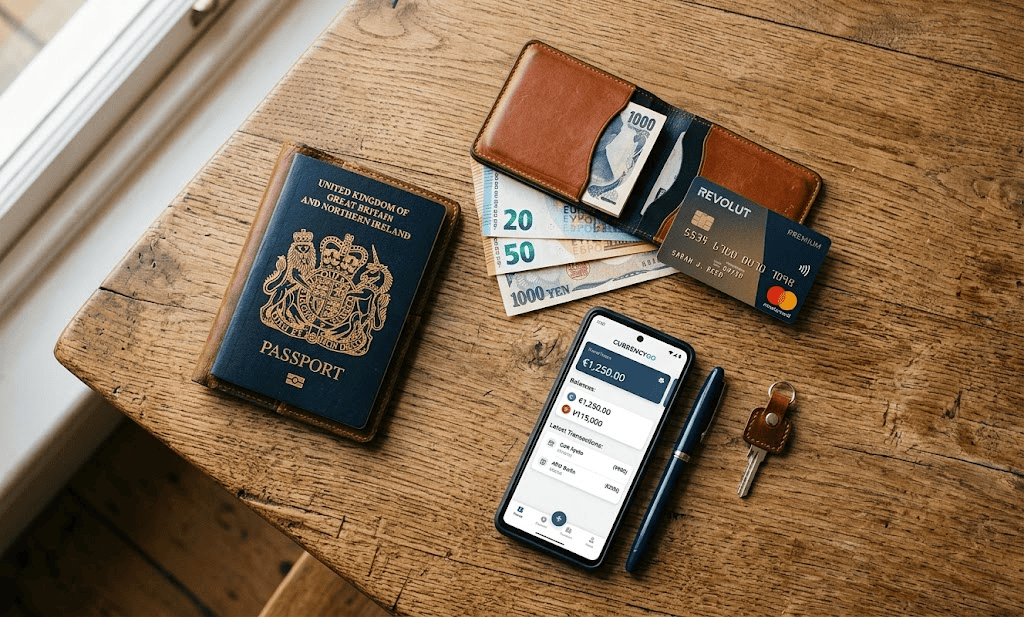
Carrying a small amount of cash, US dollars or euros work well as a base currency, plus some local currency to get going, and covers the immediate essentials on landing. ATMs at supermarkets or train stations almost always carry hefty fees; sticking to a proper bank ATM keeps those costs far more reasonable.
A bank account that skips foreign ATM fees entirely is worth actively seeking out. One route: choosing a bank tied to the Global ATM Alliance, which can save up to $5 per withdrawal.
Choosing a Travel-Friendly Bank Account
| Bank | Fee-Free Limit | Fee After Limit | Multi-Currency |
| Revolut | £200/month | 2% | Yes. |
| Wise | £200/month (2 transactions max) | 1.75% | Yes. |
| Starling (UK) | £300/day | None | No |
| Monzo (UK) | £200/month (unlimited in EEA) | 3% | No |
Backup Cards and Everyday Money Habits
Carrying at least one backup card matters more solo than with company; there’s no travel partner to lend a hand if a card gets lost or stolen.
A few smaller habits add up:
- Skip airport currency exchange entirely; it’s consistently the most expensive option
- Spend down small amounts of leftover cash on useful items rather than exchanging under $20 back
- Split cards across luggage rather than carrying them all together
- Set aside an emergency fund specifically for things going sideways
Travel tip: activate a travel-friendly account and test a small withdrawal with it before departure.
Buying Travel Insurance
Skipping travel insurance to save money is a genuine risk not worth taking. Real stories make this concrete: fast, serious injuries have led to months-long hospital stays abroad followed by repatriation flights home, each requiring a nurse and first-class travel just to make the journey possible. None of that care would have been possible without insurance covering it.
Even when a policy never ends up used, buying one that covers lost luggage, missed or canceled flights, and major medical expenses removes a specific kind of background stress that’s hard to notice until it’s gone.
Travel tip: photograph the insurance policy number and the provider’s emergency contact line before departure, and save it somewhere accessible without wifi.
Trusting Your Instincts & Staying Aware: A Core Solo Female Travel Safety Tip
Instincts are powerful, and listening to them without apology matters more than worrying about seeming rude. If a situation or a person feels off, removing yourself from it takes priority over everything else. Walking with purpose even when genuinely lost, ducking into a café to check a map rather than standing visibly confused, sends the signal outward: not an easy target.
None of this means shutting people out entirely, though. One of the real joys of solo travel is meeting people from everywhere; hostels, walking tours, and cafés remain some of the best places to connect. Before travelling, it’s also worth checking your home country’s official travel advisory, UK Foreign Travel Advice, or the equivalent, for any destination-specific alerts.
Being Smart Without Overdoing the Caution
Copying a passport and keeping that copy separate from the original applies universally. Carrying more than one debit or credit card, in case one gets lost or stolen, isn’t a bad habit either. That said, caution shouldn’t tip into assuming disaster around every corner; common sense covers most of what actually matters.
Travel tip: practice a firm, polite “no thank you” out loud a few times before a trip if declining unwanted attention feels uncomfortable.
Handling Unwanted Attention
Solo female travel isn’t about avoiding every possible bad interaction; it’s about learning to deflect and move past the occasional uncomfortable moment with confidence intact.
A Small White Lie Can Deflect a Lot
If a stranger asks whether I am traveling alone or single, answering with “my husband is meeting me shortly” often deflects unwanted attention faster than the truth would.
Learning to Say No Without Guilt
A firm, simple “no” is always valid; nobody’s owed an explanation for declining. Women get conditioned to read firmness as rude, but that instinct is worth unlearning.
Getting Home Safely After an Uncomfortable Moment
If harassment happens in public, paying for a taxi or rideshare home is always worth the extra cost over walking. Alternatively, walking home through a busy, well-lit route rather than a quiet direct one works too.
Travel tip: decide on a go-to “deflection line” before a trip even starts; having it ready in advance means it comes out smoothly in the moment instead of feeling improvised.
Online & Social Media Safety
Geotagging a location before actually leaving it carries real risk. Even a few days in one place is enough for someone to notice a post, then notice the same person in real life. Delaying posts by a few days sidesteps this without giving up posting entirely.
Setting accounts to private during solo trips helps, and for anyone especially wary, even changing a surname on Facebook temporarily is worth considering.
Protecting Financial Details on Public Wi-Fi
Public wifi carries its own risk. Switching to mobile data specifically for anything involving a bank card, rather than relying on public wifi, closes that gap. A VPN adds another layer on top of this.
Travel tip: set up mobile data as the default for banking apps before departure, adjusting phone settings so financial apps never connect to wifi automatically.
Meeting People and Making Friends
There are people everywhere, and even shy, introverted, or socially awkward travelers find genuine ways to connect, whether through hostels, group tours, volunteering, or social apps built for exactly this purpose. Being thoughtful about spending, buying local crafts, eating local food, and choosing locally owned accommodation keeps money in the local economy and often leads to genuine connections.
Choosing the Right Hostel Vibe
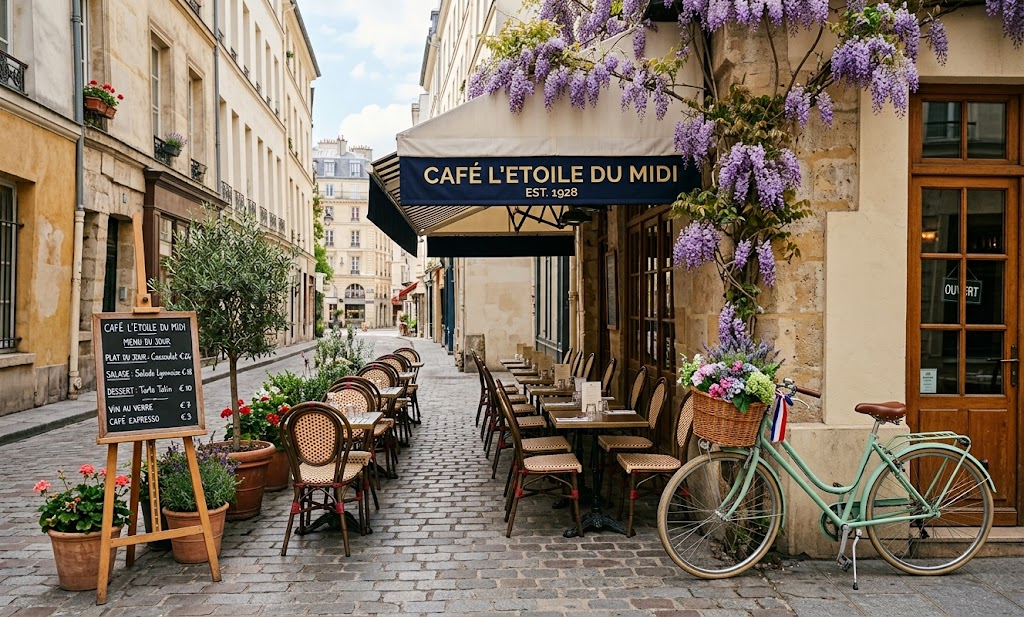
Picking a hostel matters more than it might seem. Some hostels run cozy and family-owned; others cycle through younger crowds every single night. Checking hostel photos before booking helps gauge this; lots of pool parties usually signal a livelier scene, while listings mentioning cultural walking tours suggest something calmer.
Taking Tours and Joining Group Activities
Taking a tour shakes up the routine of exploring solo day after day; walking tours, cooking classes, and bar crawls all put a chatty guide and other social travelers in the same room by design.
Facebook Groups and Shared Interests
Online communities fill in the gaps between destinations. Groups built specifically for women travelers offer a space to trade tips and connect before even landing somewhere. Leaning into a personal hobby, language learning, cooking, or dance tends to create closer connections than small talk alone.
Travel tip: skip bringing a book into communal hostel spaces or anywhere actively hoping to meet people; most travelers hesitate to interrupt someone visibly absorbed in reading.
Building Confidence to Eat and Explore Alone
Dining alone rarely feels natural on the first try. Building up gradually works far better, starting with something as low-stakes as coffee at home before working toward a full solo dinner somewhere unfamiliar.
Having a Purpose at the Table
Bringing a book to a solo meal gives both a distraction and a visible sense of purpose. A phone call to a friend, reviewing the day’s photos, or handling small trip logistics works just as well.
Finding a Happy Space
Identifying a personal “happy space,” something reliably calming before facing a new place solo, helps on harder days.
Starting Small Before Going All In
A short mini solo trip somewhere close to home, before committing to full-time solo travel, builds the exact habits that matter later.
Travel tip: treat the first solo meal of any new trip as a deliberate confidence-builder rather than an afterthought.
Dealing With Loneliness
Loneliness happens to nearly everyone traveling solo at some point, and knowing it won’t last forever makes the harder stretches easier to sit through. Calling a friend, actually speaking rather than messaging, helps more than it might seem. Switching up the situation directly also helps, moving from a quiet private room to a social hostel or signing up for a walking tour.
Travel Slower and Find a Purpose
Spending longer in one place, rather than constantly moving on, allows real connections to build naturally. Having a purpose beyond just sightseeing helps too.
Travel tip: build in one small daily ritual, even something as simple as journaling for ten minutes each evening, that stays consistent regardless of location.
What to Do If You Get Sick
Getting sick is never fun for any traveler, but being sick while alone genuinely ranks among the harder parts of solo travel.
Avoiding Getting Sick in the First Place
Eating where it’s busy is the golden rule; high turnover means nothing has been sitting around too long. Asking a waiter what’s genuinely good, rather than picking randomly off a long menu, usually leads to whatever’s freshest.
What to Do Once Sickness Hits
Sticking to plain, familiar foods closer to what’s normal back home tends to help more during recovery. Having the right essentials on hand matters too:
- Diarrhea tablets kept accessible in a day bag
- A few packets of electrolytes
Telling people matters more than pride does in this situation; hostel staff or fellow travelers can genuinely step in.
Travel tip: pack a small phrasebook or translated note listing common symptoms in the local language before heading somewhere with a real language barrier.
Handling International Driving
Road-tripping at home, even solo, can be genuinely fun. Driving in a foreign country opens up a different set of challenges entirely though, unfamiliar signage, unusual road rules, and, in some places, driving on the opposite side of the road entirely.
Travel tip: if planning to eventually drive internationally, start with a country that drives on the same side of the road as home.
Organization Checklist Before You Go
Travel insurance shouldn’t be one of the corners cut, no matter the trip budget. Once a policy’s booked, keeping the details accessible matters as much as having the coverage itself.
Passport Copies and Security
A scanned copy saved in email, downloaded to a phone, and a physical printout tucked into luggage all cover different failure points. The passport itself should stay locked in accommodation rather than carried around during daily sightseeing.
Setting Up an Emergency Contact
Most smartphones include a built-in emergency feature worth setting up: tapping “Emergency” on a locked phone’s keypad, then “Medical ID,” lets anyone see critical medical information without needing the passcode.
Travel tip: update the phone’s medical ID feature a few days before departure rather than months in advance.
When You’re Not Loving Solo Travel (Honest Take)
There are bound to be stretches of any trip where the constant novelty of a new culture gets exhausting rather than exciting. Finding a familiar comfort isn’t a failure of the travel experience; it’s a reasonable way to reset. Leaning on the right people back home helps too; enthusiastic, supportive friends are worth calling on specifically during a rough stretch.
And sometimes, honestly, a solo trip just doesn’t click. That happens, and it’s genuinely okay. Solo travel isn’t for everyone.
Travel tip: schedule one built-in “normal day” into any longer trip ahead of time, treating it as a planned reset rather than a last-resort escape.
Keeping Your Heart and Mind Open
Solo travel teaches things no book or course ever could. Traveling alone is as much about discovering something new about yourself as it is about discovering a new place.
Mistakes Are Part of the Process
Mistakes happen on every trip, not just the first one. Each mistake tends to sharpen judgment for the next leg of the journey. Coming home slightly different, hopefully for the better, than before leaving is arguably the actual measure of whether a trip was worthwhile.
Travel tip: keep a short running note on the phone throughout a trip logging small mistakes and what worked instead. For the full packing breakdown that pairs with everything covered here, the solo female travel packing list goes deeper into exactly what earns a spot in the bag.
How Solo Female Travel Has Changed by 2026
Solo female travel infrastructure has shifted meaningfully in recent years. More apps now exist specifically for connecting women travelers with each other, Nomad Her being one example, rather than relying on generic travel-social platforms that weren’t built with safety-first design in mind. This narrows the gap between “meeting people” and “meeting people safely” in a way that simply wasn’t as well-supported five years ago.
Bank accounts built for international travel have also become dramatically more competitive. Fee-free foreign withdrawals, once a genuine rarity requiring niche knowledge of programs like the Global ATM Alliance, are now standard offerings across several mainstream digital banks, meaningfully lowering the cost barrier that used to make extended solo travel harder to sustain financially.
Perhaps the most significant shift is cultural rather than technical: the “honest take” content style, openly discussing loneliness, bad days, and the moments solo travel doesn’t feel empowering, has moved from a niche blogging choice to something closer to the norm. This matters for anyone researching solo travel today; the information available paints a more realistic picture than it did even a few years back, which arguably makes first-time solo travelers better prepared going in.
Finally, safety technology built directly into phones, emergency medical ID features, offline translation, and real-time location sharing have become sophisticated enough that a lot of what used to require separate gadgets or apps now comes standard. This shifts a meaningful part of solo travel safety from “what to buy” toward “what to configure correctly before departure.”

FAQs
Choosing a safe, easy-to-navigate destination for the first trip matters more than any packing list or gadget. Somewhere with friendly locals, plenty of other travelers around, and minimal language barriers makes every other tip on this list easier to actually use.
Yes, generally. Most non-Western countries in particular tend to be far friendlier than assumed, and a stranger striking up conversation rarely means anything beyond genuine curiosity.
Hostels, group tours, walking tours, and cooking classes all work well for this specifically. Choosing accommodation with a social atmosphere, and joining at least one group activity per destination, makes meeting people feel natural rather than forced.
Trust the instinct immediately rather than second-guessing it. Leaving a situation, changing plans last minute, or getting a taxi instead of walking are all valid responses; no explanation is owed to anyone.
Completely normal, and it happens to nearly everyone at some point. Switching up the situation, a hostel instead of a private room and a walking tour instead of solo sightseeing, tends to help more than waiting for the feeling to pass on its own.
Conclusion
Every one of these tips for solo female travellers boils down to the same basic idea: preparation makes room for actual enjoyment. Knowing how to pack light, stay connected, manage money, and trust an instinct when something feels off doesn’t remove the uncertainty of traveling alone entirely; it just makes the uncertainty easier to handle when it inevitably shows up.
The honest parts matter just as much as the practical checklists, the lonely evenings, and the days that don’t go as planned; the moments solo travel simply don’t feel like the adventure they’re supposed to be. All of that is normal, and none of it erases the fact that showing up alone in an unfamiliar place takes real courage in the first place.
Start with whatever tip feels most immediately useful, a safer first destination, a better bank account, a plan for the nights that feel harder than expected, and build from there. Digging into this kind of practical, no-fluff planning is exactly the work I love bringing to GirlWay. The rest tends to fall into place with time, one trip at a time.
A quick note: every image in this guide is an AI-generated illustration rather than a real photo, used to help bring each tip to life visually.